
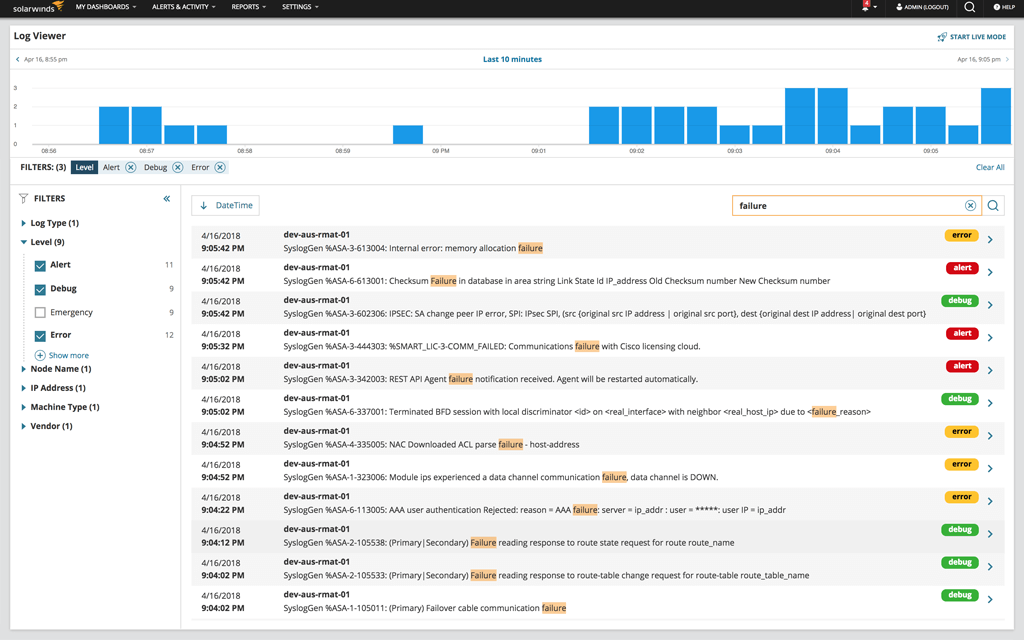
Security Log Management: Enhancing Cybersecurity Through Effective Monitoring
In today’s digital landscape, where cyber threats are constantly evolving, organisations face the critical challenge of protecting their sensitive data and systems from malicious actors. Security log management plays a pivotal role in this endeavour by providing a comprehensive approach to monitoring and analysing security logs generated by various devices and applications.
Security log management involves the collection, storage, analysis, and reporting of log data from diverse sources such as firewalls, servers, network devices, and applications. By centralising these logs in a secure repository, organisations can gain valuable insights into their network activities and detect suspicious behaviour in real-time.
One of the key benefits of effective security log management is its ability to facilitate incident response and forensic investigations. By monitoring logs for unusual patterns or anomalies, security teams can quickly identify potential security incidents and take proactive measures to mitigate risks before they escalate.
Furthermore, security log management helps organisations comply with regulatory requirements by maintaining a detailed record of security events and demonstrating due diligence in safeguarding sensitive information. By retaining logs for a specified period and implementing robust access controls, organisations can ensure the integrity and confidentiality of their log data.
To maximise the effectiveness of security log management, organisations should implement automated tools that can streamline log collection, correlation, and analysis processes. By leveraging advanced technologies such as Security Information and Event Management (SIEM) solutions, organisations can enhance their threat detection capabilities and respond swiftly to emerging cybersecurity threats.
In conclusion, security log management is an essential component of any robust cybersecurity strategy. By proactively monitoring and analysing security logs, organisations can strengthen their defences against cyber threats, improve incident response capabilities, and demonstrate compliance with regulatory standards. Investing in effective security log management practices is crucial for safeguarding critical assets and maintaining trust with customers in an increasingly interconnected world.
Essential Tips for Effective Security Log Management
- Regularly review security logs to identify any suspicious activities.
- Ensure that all relevant security events are logged and monitored.
- Set up alerts for critical security events to respond promptly to potential threats.
- Store logs securely to prevent unauthorised access or tampering.
- Implement a log retention policy to comply with regulations and manage storage effectively.
- Regularly update log management tools and systems to ensure they are effective against emerging threats.
Regularly review security logs to identify any suspicious activities.
Regularly reviewing security logs is a crucial practice in effective security log management. By diligently analysing these logs, organisations can swiftly identify any anomalous or suspicious activities that may indicate a potential security breach. This proactive approach allows security teams to take immediate action to investigate and mitigate any threats, thereby enhancing the overall cybersecurity posture of the organisation. Consistent monitoring and review of security logs are key steps in maintaining a robust defence against cyber threats and ensuring the integrity of digital assets.
Ensure that all relevant security events are logged and monitored.
To enhance cybersecurity through effective security log management, it is crucial to ensure that all relevant security events are logged and monitored. By capturing a comprehensive range of security events from various sources such as network devices, servers, and applications, organisations can gain a holistic view of their digital environment and detect potential threats in a timely manner. Monitoring these logs diligently allows security teams to identify anomalous activities, investigate incidents promptly, and proactively mitigate risks before they escalate. Prioritising the logging and monitoring of all pertinent security events is essential for maintaining a strong defence against cyber threats and safeguarding critical assets.
Set up alerts for critical security events to respond promptly to potential threats.
Setting up alerts for critical security events is a proactive measure that can significantly enhance an organisation’s ability to respond promptly to potential threats. By configuring alerts to trigger in response to specific security incidents or anomalies detected in log data, security teams can swiftly investigate and address emerging threats before they escalate. This proactive approach not only helps in mitigating risks but also enables organisations to maintain a vigilant stance against cyber threats, ultimately bolstering their overall cybersecurity posture.
Store logs securely to prevent unauthorised access or tampering.
To enhance the effectiveness of security log management, it is crucial to store logs securely to prevent unauthorised access or tampering. By implementing robust access controls, encryption mechanisms, and regular monitoring of log repositories, organisations can safeguard their log data from malicious actors seeking to compromise the integrity of security logs. Secure storage not only ensures the confidentiality and authenticity of log information but also strengthens the overall cybersecurity posture by maintaining a reliable record of security events for forensic analysis and compliance purposes.
Implement a log retention policy to comply with regulations and manage storage effectively.
Implementing a log retention policy is crucial for organisations looking to enhance their cybersecurity posture and adhere to regulatory requirements. By defining specific guidelines for the retention period of security logs, companies can ensure compliance with data protection laws and industry standards. Moreover, a well-crafted log retention policy enables efficient storage management by eliminating unnecessary data clutter and prioritising the preservation of critical security information. This proactive approach not only helps in maintaining a lean and organised log repository but also facilitates timely incident response and forensic investigations when security incidents occur.
Regularly update log management tools and systems to ensure they are effective against emerging threats.
To enhance the effectiveness of security log management, it is crucial to regularly update log management tools and systems to stay ahead of emerging threats. By keeping these tools up-to-date with the latest security patches and features, organisations can strengthen their defences against evolving cyber threats and vulnerabilities. Regular updates ensure that log management systems remain robust and capable of detecting and responding to new attack vectors, thereby safeguarding critical assets and maintaining a proactive stance in cybersecurity readiness.