
The Importance of IoT and Cloud Security in Today’s Digital Landscape
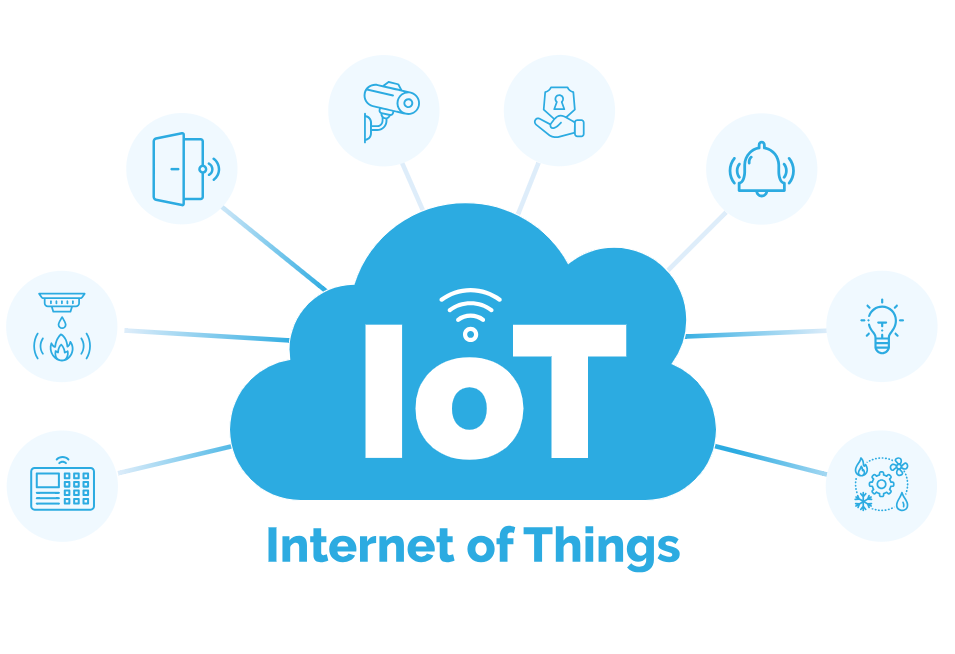
In the era of interconnected devices and cloud computing, ensuring robust security measures for both IoT (Internet of Things) and cloud platforms is paramount. As more devices become smart and connected to the internet, the potential attack surface for cyber threats expands exponentially.
IoT devices, ranging from smart home gadgets to industrial sensors, collect vast amounts of data that are often stored and processed in the cloud. This reliance on cloud services introduces additional security challenges, as sensitive information is transmitted and stored remotely.
Challenges in IoT Security:
- Device Vulnerabilities: Many IoT devices lack built-in security features, making them easy targets for hackers.
- Data Privacy: The collection and transmission of personal data by IoT devices raise concerns about privacy breaches.
- Network Vulnerabilities: Weaknesses in network protocols used by IoT devices can be exploited to gain unauthorized access.
Challenges in Cloud Security:
- Data Breaches: Unauthorized access to cloud-stored data can result in significant financial and reputational damage.
- Misconfiguration: Improperly configured cloud services can leave sensitive data exposed to cyber threats.
- Compliance Risks: Failure to comply with industry regulations regarding data protection can lead to legal consequences.
To address these challenges, organisations must implement comprehensive security measures that encompass both IoT devices and cloud platforms. This includes:
- Strong Authentication: Utilising multi-factor authentication to verify user identities and device access.
- Data Encryption: Encrypting data both at rest and in transit to prevent unauthorised interception.
- Vulnerability Management: Regularly updating software and firmware to patch known vulnerabilities.
- Monitoring and Incident Response: Implementing real-time monitoring tools to detect suspicious activities and respond swiftly to security incidents.
In conclusion, as the adoption of IoT devices and cloud services continues to rise, prioritising security is essential to safeguard sensitive information and maintain trust with users. By proactively addressing security risks through a combination of technology solutions and best practices, organisations can mitigate potential threats and ensure a secure digital environment for all stakeholders.
Enhancing IoT and Cloud Security: 7 Essential Tips for Protecting Your Data
- Regularly update all IoT devices with the latest security patches.
- Use strong, unique passwords for each IoT device and cloud service.
- Enable two-factor authentication for added security on cloud accounts.
- Encrypt data both in transit and at rest to protect sensitive information.
- Implement network segmentation to isolate IoT devices from critical systems.
- Monitor IoT device activity for any unusual behaviour that could indicate a security breach.
- Choose reputable and secure cloud service providers with a good track record of data protection.
Regularly update all IoT devices with the latest security patches.
It is crucial to regularly update all IoT devices with the latest security patches to enhance their resilience against potential cyber threats. By ensuring that devices are running on the most up-to-date software versions, users can mitigate vulnerabilities that could be exploited by malicious actors. Regular updates not only strengthen the security posture of IoT devices but also contribute to a more secure and interconnected digital ecosystem overall.
Use strong, unique passwords for each IoT device and cloud service.
It is crucial to use strong, unique passwords for each IoT device and cloud service to enhance security in the interconnected digital landscape. By employing distinct passwords for individual devices and services, users can significantly reduce the risk of unauthorized access and data breaches. Strong passwords that combine letters, numbers, and special characters help fortify the defence against cyber threats, ensuring that sensitive information remains protected from malicious actors. Prioritising password security is a fundamental step towards strengthening the overall security posture of IoT devices and cloud services.
Enable two-factor authentication for added security on cloud accounts.
Enabling two-factor authentication for cloud accounts is a highly effective security measure that adds an extra layer of protection against unauthorised access. By requiring users to provide a secondary verification method, such as a unique code sent to their mobile device, two-factor authentication significantly reduces the risk of account breaches even if login credentials are compromised. This simple yet powerful step enhances the overall security posture of cloud accounts, helping to safeguard sensitive data and mitigate potential cyber threats effectively.
Encrypt data both in transit and at rest to protect sensitive information.
To enhance security in IoT and cloud environments, it is crucial to encrypt data both in transit and at rest. By encrypting sensitive information during transmission and storage, organisations can significantly reduce the risk of data breaches and unauthorised access. Encrypting data in transit ensures that information remains secure while being transferred between devices or to cloud servers, preventing interception by malicious actors. Similarly, encrypting data at rest provides an additional layer of protection for stored data, safeguarding it from unauthorised access in case of a breach. Overall, encryption plays a vital role in maintaining the confidentiality and integrity of valuable data within IoT and cloud infrastructures.
Implement network segmentation to isolate IoT devices from critical systems.
Implementing network segmentation is a crucial tip in enhancing IoT and cloud security. By isolating IoT devices from critical systems through network segmentation, organisations can create barriers that prevent potential threats from spreading across their entire network. This strategy helps to contain any security breaches that may occur within IoT devices, reducing the risk of compromising sensitive data or critical infrastructure. Network segmentation not only enhances security but also provides better visibility and control over the interconnected devices, allowing for more effective monitoring and management of potential risks.
Monitor IoT device activity for any unusual behaviour that could indicate a security breach.
Monitoring IoT device activity for any unusual behaviour is a crucial tip in enhancing IoT and cloud security. By keeping a close eye on the behaviour of connected devices, organisations can quickly detect any anomalies that may signal a potential security breach. Unusual patterns such as unauthorized access attempts or abnormal data transfers can be early indicators of cyber threats. By proactively monitoring IoT device activity, organisations can take prompt action to investigate and mitigate security risks, ultimately strengthening their overall cybersecurity posture in the interconnected digital landscape.
Choose reputable and secure cloud service providers with a good track record of data protection.
When it comes to enhancing IoT and cloud security, a crucial tip is to opt for reputable and secure cloud service providers with a proven track record of prioritising data protection. Selecting established providers known for their robust security measures can significantly reduce the risk of potential breaches and data loss. By choosing a trusted partner with a strong commitment to safeguarding sensitive information, individuals and organisations can enhance their overall security posture and mitigate cyber threats effectively.