
The Significance of Multi-Cloud Identity and Access Management
In today’s digital landscape, organisations are increasingly adopting multi-cloud environments to leverage the benefits of different cloud service providers. However, managing identities and controlling access across multiple cloud platforms can pose significant challenges.
Multi-cloud identity and access management (IAM) is a crucial component of a robust cybersecurity strategy in a multi-cloud environment. It involves defining and managing the roles and permissions of users, ensuring secure access to resources, and monitoring user activities across various cloud platforms.
Key Benefits of Multi-Cloud IAM:
- Centralised Control: With multi-cloud IAM, organisations can centrally manage user identities, access policies, and security configurations across all cloud environments.
- Enhanced Security: By implementing consistent security measures and access controls, multi-cloud IAM helps mitigate the risk of unauthorised access and data breaches.
- Improved Compliance: Organisations can ensure compliance with regulatory requirements by enforcing uniform access policies and auditing user activities across multiple clouds.
- Scalability: Multi-cloud IAM solutions are designed to scale with the growing needs of an organisation’s cloud infrastructure, supporting seamless integration with new cloud services.
Challenges of Multi-Cloud IAM:
While multi-cloud IAM offers numerous benefits, it also presents challenges that organisations must address:
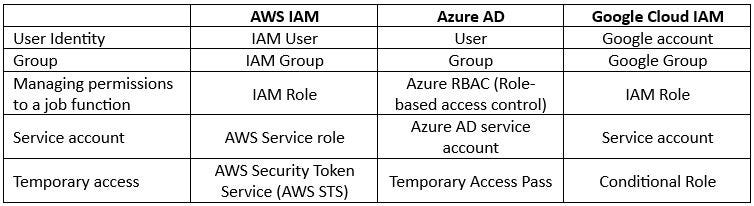
- Complexity: Managing identities and access controls across multiple cloud providers can be complex due to differences in authentication mechanisms and security protocols.
- Integration Issues: Ensuring seamless integration between different cloud platforms while maintaining security standards requires careful planning and implementation.
- Audit Trail: Monitoring user activities and maintaining audit trails across disparate cloud environments can be challenging without proper tools and processes in place.
In conclusion, multi-cloud IAM plays a vital role in securing the modern IT infrastructure by providing centralised control, enhanced security, improved compliance, and scalability. Organisations that embrace multi-cloud environments must invest in robust IAM solutions to effectively manage identities and access controls across diverse cloud platforms.
Advantages of Multi-Cloud Identity and Access Management: Centralised Control, Enhanced Security, Compliance, Scalability, and Efficiency
- Centralised control over user identities and access policies across multiple cloud platforms.
- Enhanced security through consistent implementation of access controls and security measures.
- Improved compliance with regulatory requirements by enforcing uniform access policies.
- Scalability to adapt to the evolving needs of an organisation’s multi-cloud environment.
- Efficient management of user identities and access controls, leading to streamlined operations.
Challenges of Multi-Cloud Identity and Access Management: Complexity, Integration, and Audit Trail Issues
Centralised control over user identities and access policies across multiple cloud platforms.
Centralised control over user identities and access policies across multiple cloud platforms is a key advantage of multi-cloud identity and access management. By having a unified system to manage user authentication and authorisation, organisations can ensure consistent security measures and enforce access policies seamlessly across various cloud environments. This centralised approach not only simplifies the management of user identities but also enhances security by providing a comprehensive view of user access rights and activities across all cloud platforms, thereby reducing the risk of unauthorised access and data breaches.
Enhanced security through consistent implementation of access controls and security measures.
Enhanced security is a key advantage of multi-cloud identity and access management, as it ensures a consistent implementation of access controls and security measures across all cloud environments. By enforcing uniform security policies and access controls, organisations can mitigate the risk of unauthorised access and data breaches. This consistency in security measures not only strengthens the overall cybersecurity posture but also helps in maintaining compliance with regulatory requirements. With multi-cloud IAM, organisations can proactively protect their sensitive data and resources by applying robust security standards consistently across multiple cloud platforms.
Improved compliance with regulatory requirements by enforcing uniform access policies.
One of the key advantages of implementing multi-cloud identity and access management is the enhancement of compliance with regulatory requirements. By enforcing uniform access policies across multiple cloud platforms, organisations can ensure that all users adhere to the same security protocols and access controls mandated by regulatory bodies. This standardisation not only simplifies compliance efforts but also reduces the risk of non-compliance, thereby safeguarding sensitive data and mitigating potential legal repercussions.
Scalability to adapt to the evolving needs of an organisation’s multi-cloud environment.
One of the key advantages of multi-cloud identity and access management is its scalability, allowing organisations to easily adapt to the evolving needs of their multi-cloud environment. As businesses grow and their cloud infrastructure expands, a scalable IAM solution ensures that user identities, access controls, and security policies can be efficiently managed across multiple cloud platforms without compromising on security or performance. This flexibility enables organisations to seamlessly integrate new cloud services, scale their operations, and meet changing business requirements while maintaining a high level of security and compliance.
Efficient management of user identities and access controls, leading to streamlined operations.
Efficient management of user identities and access controls in a multi-cloud environment leads to streamlined operations by ensuring that users have the appropriate level of access to resources across different cloud platforms. With a centralised approach to identity and access management, organisations can easily assign and revoke permissions, monitor user activities, and enforce consistent security policies. This streamlining of operations not only enhances security but also improves productivity by reducing the complexity of managing user identities and access controls in multiple cloud environments.
Increased Complexity
One significant drawback of multi-cloud identity and access management is the increased complexity it brings. Managing user identities and access controls across multiple cloud providers can be challenging due to variations in authentication mechanisms and security protocols. This disparity can lead to difficulties in ensuring seamless integration and consistent security measures across different cloud platforms, ultimately complicating the overall management of identities and access rights within a multi-cloud environment.
Integration Challenges
Integration Challenges: Ensuring seamless integration between different cloud platforms while maintaining security standards may pose challenges and require additional resources. The complexity of aligning disparate authentication mechanisms and security protocols across multiple cloud providers can lead to integration hurdles. Organisations must invest time and resources in developing robust strategies to overcome these challenges, ensuring that data remains secure and accessible across various cloud environments. Failure to address integration issues effectively can result in fragmented identity management practices and potential vulnerabilities in the overall security posture.
Audit Trail Management
Audit trail management poses a significant challenge in multi-cloud identity and access management. Monitoring user activities and maintaining audit trails across disparate cloud environments can be cumbersome without the implementation of proper tools and processes. The complexity of tracking and correlating user actions across multiple cloud platforms can hinder effective auditing, potentially leading to gaps in security monitoring and compliance efforts. Establishing a cohesive audit trail management strategy is essential to ensure transparency, accountability, and regulatory adherence in a multi-cloud environment.