
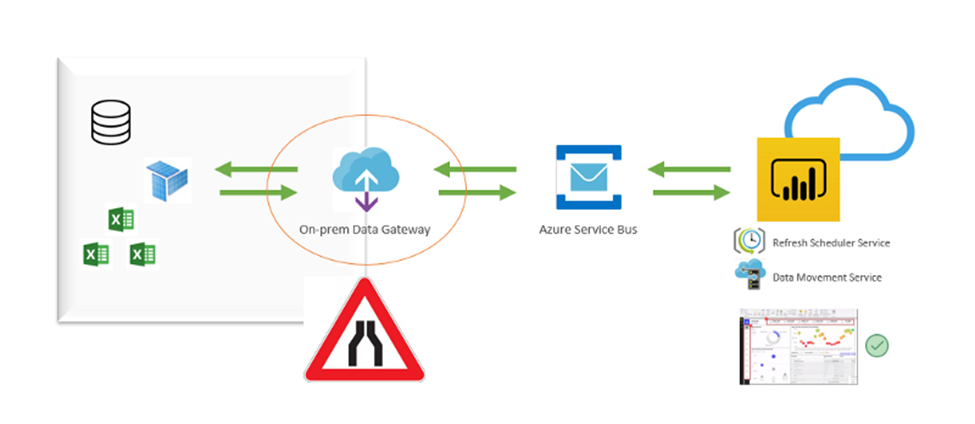
The Importance of On-Premises Data Protection
In today’s digital age, data has become one of the most valuable assets for businesses. With the increasing volume and complexity of data being generated, stored, and processed, ensuring its protection is paramount. One crucial aspect of data protection is on-premises data security.
On-premises data protection refers to safeguarding data within an organization’s physical premises or private data centers. This approach involves implementing security measures directly on the organization’s infrastructure rather than relying solely on external cloud services.
Benefits of On-Premises Data Protection:
- Enhanced Control: By keeping data on-premises, organizations have full control over their data and can implement custom security measures tailored to their specific needs.
- Compliance: Some industries have strict regulatory requirements that mandate data to be stored on-premises. Adhering to these regulations ensures compliance and avoids potential legal issues.
- Data Sovereignty: On-premises data protection allows organizations to maintain sovereignty over their data and ensures that sensitive information remains within their jurisdiction.
- Customization: Organizations can customize security protocols, encryption methods, and access controls according to their unique security requirements when managing data on-premises.
Challenges of On-Premises Data Protection:
While on-premises data protection offers numerous benefits, it also presents challenges that organizations need to address:
- Cost: Setting up and maintaining an on-premises infrastructure can be costly due to hardware investments, maintenance expenses, and staffing requirements.
- Scalability: Scaling an on-premises infrastructure to accommodate growing data volumes can be complex and may require significant resources.
- Skill Requirements: Managing on-premises security requires skilled IT professionals who are proficient in implementing and maintaining robust security measures.
In Conclusion
In conclusion, on-premises data protection plays a vital role in safeguarding sensitive information for businesses. While it offers enhanced control, compliance adherence, and customization options, organizations must also consider the associated costs and challenges. By carefully evaluating their needs and resources, businesses can implement a comprehensive on-premises data protection strategy that effectively secures their valuable assets.
Top 5 Advantages of On-Premises Data Protection: Control, Customisation, Compliance, Sovereignty, and Privacy
- Enhanced control over data security measures
- Ability to customise security protocols to suit specific needs
- Compliance with regulatory requirements for data storage
- Maintaining data sovereignty and jurisdictional control
- Increased privacy and confidentiality of sensitive information
Challenges of On-Premises Data Protection: Costs, Scalability, Expertise, and Risks
- High initial setup costs for building and maintaining on-premises infrastructure.
- Limited scalability, making it challenging to accommodate sudden increases in data volume.
- Requires skilled IT professionals to manage and maintain robust security measures on-premises.
- Potential risks of hardware failures or natural disasters impacting the security and availability of on-premises data.
Enhanced control over data security measures
One significant advantage of on-premises data protection is the enhanced control it provides over data security measures. By keeping data within the organisation’s physical premises or private data centres, businesses have the autonomy to implement customised security protocols tailored to their specific needs. This level of control empowers organisations to establish and enforce stringent security measures, ensuring that sensitive information is safeguarded according to their exact requirements and standards.
Ability to customise security protocols to suit specific needs
One significant advantage of on-premises data protection is the ability to customise security protocols to suit specific needs. By managing data within their own infrastructure, organisations have the flexibility to tailor security measures according to their unique requirements. This level of customisation allows for the implementation of targeted encryption methods, access controls, and other security protocols that align closely with the organisation’s data protection policies and compliance standards. Ultimately, this tailored approach enhances the overall security posture of the organisation and ensures that sensitive information is safeguarded effectively.
Compliance with regulatory requirements for data storage
Ensuring compliance with regulatory requirements for data storage is a significant advantage of on-premises data protection. Many industries, such as healthcare and finance, have strict guidelines on where and how data should be stored to protect sensitive information and maintain legal standards. By opting for on-premises data protection, organisations can guarantee that their data storage practices align with regulatory mandates, reducing the risk of non-compliance penalties and legal repercussions. This proactive approach not only enhances data security but also instils trust among customers and stakeholders that their information is being handled in accordance with industry regulations.
Maintaining data sovereignty and jurisdictional control
Maintaining data sovereignty and jurisdictional control is a fundamental advantage of on-premises data protection. By storing and managing data within their own premises, organisations retain the authority over where their data is located and ensure that sensitive information remains within their legal jurisdiction. This not only helps in complying with data privacy regulations but also enhances the overall security posture by reducing the risks associated with data transfer and storage in external environments. Organizations can establish robust control measures tailored to their specific requirements, thereby strengthening their ability to protect valuable assets and uphold data governance standards effectively.
Increased privacy and confidentiality of sensitive information
One significant advantage of on-premises data protection is the heightened privacy and confidentiality it offers for sensitive information. By keeping data within the organization’s physical premises or private data centres, businesses can maintain greater control over who has access to their data, reducing the risk of unauthorised exposure. This approach ensures that sensitive information remains secure and confidential, providing peace of mind for both the organisation and its stakeholders.
High initial setup costs for building and maintaining on-premises infrastructure.
One significant drawback of on-premises data protection is the high initial setup costs associated with building and maintaining the required infrastructure. Setting up an on-premises data protection system entails substantial investments in hardware, software, and skilled personnel. The upfront expenses for purchasing servers, storage devices, security appliances, and other necessary equipment can be a significant financial burden for many organisations. Additionally, ongoing maintenance costs, including upgrades, repairs, and security updates, further contribute to the overall cost of managing on-premises infrastructure. These high initial setup costs can pose a barrier for smaller businesses or organisations with limited budgets looking to implement robust data protection measures within their premises.
Limited scalability, making it challenging to accommodate sudden increases in data volume.
One significant drawback of on-premises data protection is its limited scalability, which can pose challenges when accommodating sudden increases in data volume. The infrastructure required for on-premises data storage and security may have limitations in terms of capacity and processing power, making it difficult to quickly scale up to meet growing demands. This constraint can hinder organisations from efficiently managing large amounts of data during periods of rapid expansion or unexpected spikes in data volume, potentially impacting their ability to maintain optimal performance and data security levels.
Requires skilled IT professionals to manage and maintain robust security measures on-premises.
One significant drawback of on-premises data protection is the requirement for skilled IT professionals to manage and maintain robust security measures within the organisation’s infrastructure. This demand for expertise in cybersecurity adds to the operational costs and resource allocation needed to ensure effective data protection. Without a proficient IT team, organisations may face challenges in implementing and monitoring complex security protocols, potentially leaving their data vulnerable to breaches and cyber threats.
Potential risks of hardware failures or natural disasters impacting the security and availability of on-premises data.
One significant drawback of on-premises data protection is the vulnerability to potential risks such as hardware failures or natural disasters. In the event of hardware malfunctions or catastrophic events like floods or fires, the security and availability of on-premises data can be severely compromised. These unforeseen circumstances can lead to data loss, downtime, and disruptions in business operations, highlighting the importance of implementing robust backup and disaster recovery plans to mitigate such risks when relying solely on on-premises data protection.