
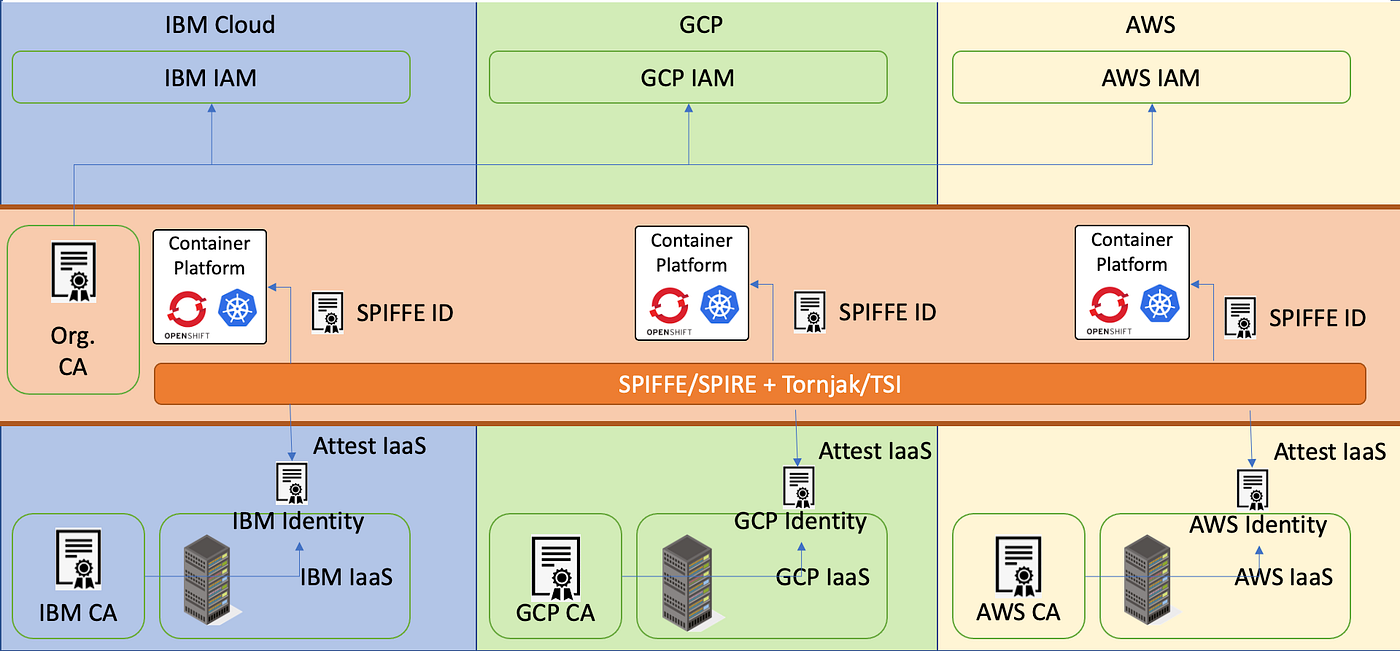
The Importance of Multi-Cloud Identity Management
In today’s digital landscape, businesses are increasingly adopting multi-cloud environments to leverage the benefits of various cloud service providers. While multi-cloud strategies offer flexibility and scalability, they also introduce complexities in managing user identities and access across different platforms.
Multi-cloud identity management is the practice of securely controlling user access to resources and applications across multiple cloud environments. It involves centralising identity and access management (IAM) processes to ensure consistent security measures are applied across all cloud platforms.
Key Benefits of Multi-Cloud Identity Management:
- Enhanced Security: By implementing a unified identity management system, businesses can enforce strong authentication protocols and access controls to protect sensitive data in multi-cloud environments.
- Improved Compliance: Centralised identity management simplifies compliance with regulatory requirements by providing visibility into user activities and permissions across all cloud platforms.
- Efficient Operations: Streamlining identity management processes reduces administrative overhead and ensures seamless user provisioning and deprovisioning in diverse cloud environments.
- Enhanced User Experience: A consistent authentication experience across multiple clouds enhances user productivity and reduces the risk of security vulnerabilities due to misconfigured access controls.
Challenges of Multi-Cloud Identity Management:
While the benefits of multi-cloud identity management are significant, businesses may encounter challenges in implementing a cohesive IAM strategy across disparate cloud platforms. These challenges include:
- Lack of interoperability between different cloud provider IAM solutions
- Complexity in synchronising user identities and access policies
- Potential security risks due to misconfigurations or gaps in IAM implementation
- Difficulty in maintaining compliance standards across multiple cloud environments
In conclusion, effective multi-cloud identity management is essential for businesses seeking to maximise the advantages of a multi-cloud approach while mitigating security risks and ensuring regulatory compliance. By implementing robust IAM practices that integrate seamlessly with various cloud providers, organisations can achieve a secure, efficient, and user-friendly multi-cloud environment.
Six Key Advantages of Multi-Cloud Identity Management: Security, Compliance, Efficiency, Visibility, User Experience, and Administrative Ease
- Enhanced security through consistent access controls
- Simplified compliance with regulatory requirements
- Efficient user provisioning and deprovisioning processes
- Improved visibility into user activities across multiple clouds
- Seamless authentication experience for users
- Reduced administrative overhead in managing identities
Challenges and Risks of Multi-Cloud Identity Management: Navigating Complexity, Security, and Compliance
- Complexity in synchronising user identities and access policies across multiple cloud platforms
- Potential security risks arising from misconfigurations or gaps in identity management implementation
- Difficulty in maintaining consistent compliance standards across diverse cloud environments
- Increased operational overhead in managing and monitoring identity-related activities in a multi-cloud setup
- Challenges in ensuring seamless interoperability between different cloud provider IAM solutions
Enhanced security through consistent access controls
Enhanced security through consistent access controls is a key advantage of multi-cloud identity management. By centralising identity and access management processes across multiple cloud platforms, businesses can enforce uniform security policies and authentication protocols. This approach ensures that users have appropriate access permissions regardless of the cloud environment they are operating in, reducing the risk of unauthorised access and data breaches. Consistent access controls also enable organisations to monitor and manage user activities more effectively, enhancing overall security posture in complex multi-cloud infrastructures.
Simplified compliance with regulatory requirements
One key advantage of multi-cloud identity management is the simplified compliance with regulatory requirements. By centralising identity and access management processes across multiple cloud platforms, businesses can ensure consistent application of security measures and access controls in accordance with regulatory standards. This streamlined approach not only enhances data protection and privacy but also facilitates easier auditing and reporting to demonstrate compliance with various industry regulations. Ultimately, simplified compliance through multi-cloud identity management helps organisations mitigate risks and maintain trust with stakeholders while navigating complex regulatory landscapes.
Efficient user provisioning and deprovisioning processes
Efficient user provisioning and deprovisioning processes are a key advantage of multi-cloud identity management. By centralising these processes across multiple cloud environments, businesses can streamline the onboarding and offboarding of users, ensuring quick and accurate access to resources based on roles and permissions. This not only enhances operational efficiency but also reduces the risk of security vulnerabilities associated with delayed or incomplete user access management. With efficient provisioning and deprovisioning in place, organisations can maintain optimal security posture while enabling seamless user experiences in complex multi-cloud environments.
Improved visibility into user activities across multiple clouds
Improved visibility into user activities across multiple clouds is a significant advantage of multi-cloud identity management. By centralising identity and access management processes, businesses can gain a comprehensive view of user interactions and behaviours across different cloud platforms. This enhanced visibility allows organisations to monitor user activities in real-time, detect anomalies or suspicious behaviour promptly, and respond proactively to potential security threats. Additionally, having a unified view of user activities enables better auditing, compliance monitoring, and overall governance of cloud resources, contributing to a more secure and transparent multi-cloud environment.
Seamless authentication experience for users
One of the key advantages of multi-cloud identity management is the seamless authentication experience it provides for users. By centralising identity and access management across multiple cloud platforms, businesses can offer a consistent login process for their employees and customers. This not only enhances user productivity but also reduces the likelihood of security vulnerabilities arising from misconfigured access controls. A seamless authentication experience fosters user trust and satisfaction, ultimately contributing to a more efficient and secure multi-cloud environment.
Reduced administrative overhead in managing identities
One significant advantage of multi-cloud identity management is the reduction in administrative overhead when managing user identities across multiple cloud platforms. By centralising identity and access management processes, businesses can streamline user provisioning, deprovisioning, and access control tasks, leading to increased operational efficiency. This consolidation of administrative tasks not only saves time and resources but also minimises the likelihood of errors or inconsistencies in user permissions, ensuring a more secure and well-managed multi-cloud environment.
Complexity in synchronising user identities and access policies across multiple cloud platforms
One significant challenge of multi-cloud identity management is the complexity involved in synchronising user identities and access policies across various cloud platforms. As businesses adopt multiple cloud services from different providers, ensuring consistent user authentication and access control becomes increasingly intricate. Discrepancies in user data, permissions, and policies across disparate cloud environments can lead to security vulnerabilities, operational inefficiencies, and compliance issues. Managing the synchronisation of identities and access policies requires meticulous planning, robust integration mechanisms, and ongoing monitoring to maintain a cohesive and secure multi-cloud identity management strategy.
Potential security risks arising from misconfigurations or gaps in identity management implementation
One significant con of multi-cloud identity management is the potential security risks that can arise from misconfigurations or gaps in the implementation of identity management practices. When user identities and access controls are not properly synchronised across multiple cloud environments, there is a heightened risk of unauthorised access, data breaches, and other security vulnerabilities. Misconfigurations in identity management settings can lead to unintended exposure of sensitive information and create opportunities for malicious actors to exploit weaknesses in the system. It is crucial for businesses to address these security risks proactively by implementing robust identity management protocols and regularly auditing their multi-cloud environments to identify and rectify any misconfigurations or gaps that may compromise data security.
Difficulty in maintaining consistent compliance standards across diverse cloud environments
One significant challenge of multi-cloud identity management is the difficulty in maintaining consistent compliance standards across diverse cloud environments. With each cloud service provider having its own set of security protocols and regulatory requirements, ensuring that all platforms adhere to the same compliance standards can be a complex and time-consuming task. This disparity in compliance measures increases the risk of non-compliance, potentially exposing businesses to legal and financial consequences. Organisations must invest considerable effort in aligning policies and procedures across multiple clouds to mitigate this con effectively.
Increased operational overhead in managing and monitoring identity-related activities in a multi-cloud setup
One significant drawback of multi-cloud identity management is the increased operational overhead involved in overseeing and monitoring identity-related activities across multiple cloud platforms. With each cloud service provider having its own set of identity management tools and protocols, IT teams face the challenge of coordinating and maintaining consistent user access controls and permissions. This complexity can lead to higher administrative burdens, increased chances of errors, and difficulties in tracking and auditing user activities effectively. As a result, organisations may experience heightened operational costs and resource allocation to manage identity-related tasks efficiently in a multi-cloud environment.
Challenges in ensuring seamless interoperability between different cloud provider IAM solutions
One significant challenge in multi-cloud identity management is the difficulty in ensuring seamless interoperability between different cloud provider IAM solutions. Each cloud platform may have its own unique identity and access management mechanisms, making it complex to integrate and synchronise user identities and access policies across multiple environments. This lack of standardisation can lead to operational inefficiencies, potential security vulnerabilities, and increased administrative overhead as businesses strive to maintain a cohesive IAM strategy across diverse cloud providers.