
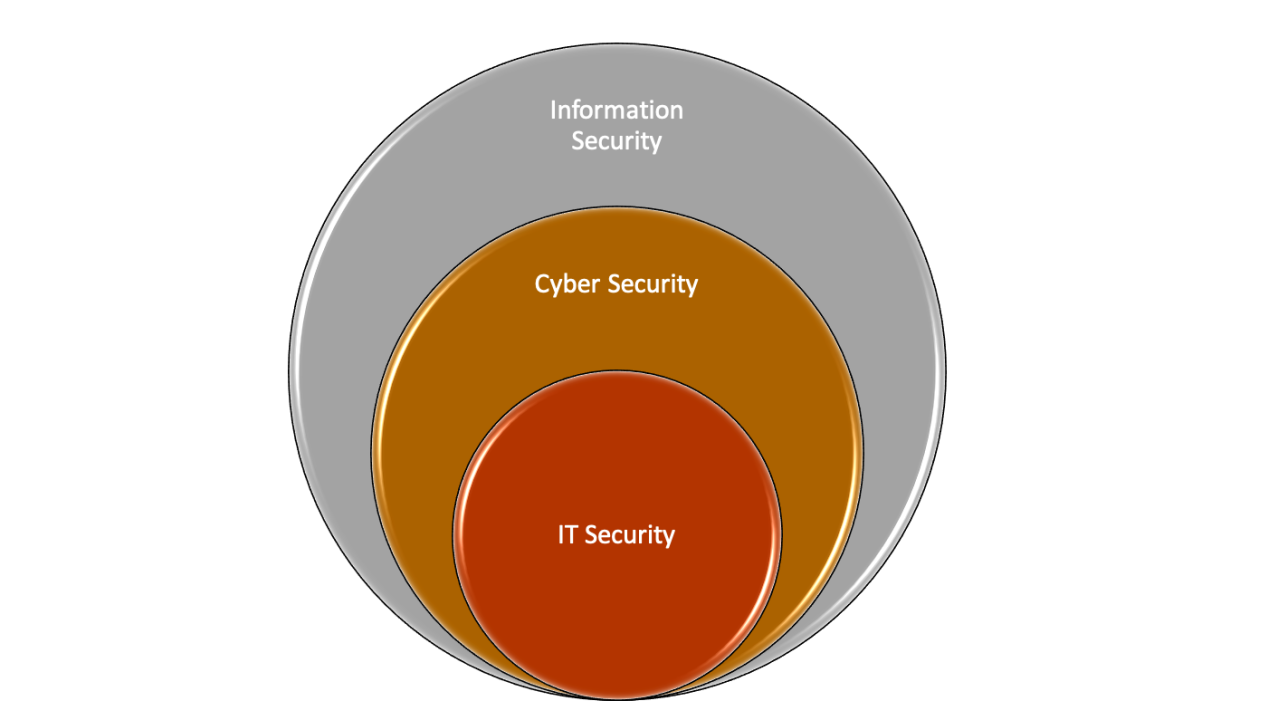
The Importance of a Cyber Security Management System
In today’s digital age, where businesses and individuals rely heavily on technology, the need for a robust Cyber Security Management System (CSMS) cannot be overstated. A CSMS is a comprehensive framework that helps organisations protect their sensitive data, systems, and networks from cyber threats.
One of the key components of a CSMS is risk assessment. By identifying potential vulnerabilities and threats, organisations can proactively implement security measures to mitigate risks. This includes establishing policies and procedures, conducting regular security audits, and ensuring compliance with industry regulations.
Effective incident response is another crucial aspect of a CSMS. In the event of a cyber attack or data breach, having a well-defined response plan can help minimise the impact on the organisation and its stakeholders. This may involve containing the breach, investigating the incident, and implementing corrective actions to prevent future occurrences.
Continuous monitoring and evaluation are also essential components of a CSMS. By regularly monitoring network activity and security controls, organisations can detect suspicious behaviour or anomalies early on and take immediate action to address them. Regular evaluations of the CSMS help identify areas for improvement and ensure that security measures remain effective.
Furthermore, employee training and awareness play a vital role in maintaining a strong cybersecurity posture. Educating staff about best practices for handling sensitive information, recognising phishing attempts, and following security protocols can significantly reduce the risk of human error leading to security breaches.
In conclusion, implementing a robust Cyber Security Management System is essential for safeguarding organisations against evolving cyber threats. By taking a proactive approach to cybersecurity through risk assessment, incident response planning, monitoring, evaluation, and employee training, organisations can enhance their resilience to cyber attacks and protect their valuable assets.
7 Essential Tips for Effective Cyber Security Management
- Regularly update software and systems to patch security vulnerabilities.
- Implement strong password policies, including using complex passwords and multi-factor authentication.
- Train employees on cyber security best practices and how to identify phishing attempts.
- Encrypt sensitive data both in transit and at rest to protect it from unauthorized access.
- Backup data regularly and store backups offline to prevent data loss in case of a cyber attack.
- Monitor network activity for any unusual behaviour that could indicate a security breach.
- Establish incident response plans to quickly and effectively respond to cyber security incidents.
Regularly update software and systems to patch security vulnerabilities.
Regularly updating software and systems to patch security vulnerabilities is a crucial aspect of effective cyber security management. By staying current with software updates, organisations can address known vulnerabilities and protect their systems from potential exploits. Hackers often target outdated software with known security flaws, making timely updates essential in reducing the risk of cyber attacks. Proactive patching not only enhances the overall security posture of an organisation but also demonstrates a commitment to safeguarding sensitive data and maintaining a secure digital environment.
Implement strong password policies, including using complex passwords and multi-factor authentication.
Implementing strong password policies, such as using complex passwords and multi-factor authentication, is a critical aspect of a robust Cyber Security Management System. By requiring employees to create and regularly update complex passwords that include a combination of letters, numbers, and special characters, organisations can significantly enhance the security of their systems and data. Additionally, incorporating multi-factor authentication adds an extra layer of protection by requiring users to provide multiple forms of verification before accessing sensitive information. These measures help safeguard against unauthorised access and reduce the risk of data breaches, making them essential components of a comprehensive cybersecurity strategy.
Train employees on cyber security best practices and how to identify phishing attempts.
It is crucial for organisations to train their employees on cyber security best practices and how to identify phishing attempts. By providing comprehensive training, employees can become the first line of defence against cyber threats. Educating staff on recognising phishing emails, suspicious links, and social engineering tactics can significantly reduce the risk of falling victim to malicious attacks. With proper training, employees can play an active role in maintaining a secure work environment and contribute to the overall effectiveness of the Cyber Security Management System.
Encrypt sensitive data both in transit and at rest to protect it from unauthorized access.
To enhance the security of your Cyber Security Management System, it is crucial to encrypt sensitive data both in transit and at rest. Encryption serves as a powerful safeguard against unauthorized access by scrambling the data into a format that can only be deciphered with the appropriate encryption key. By encrypting data in transit, such as when it is being transmitted over networks, you can prevent interception by malicious actors. Similarly, encrypting data at rest, when stored on devices or servers, ensures that even if physical access is gained, the information remains protected. This proactive measure significantly strengthens the overall security posture of your organisation and helps to safeguard sensitive information from potential breaches.
Backup data regularly and store backups offline to prevent data loss in case of a cyber attack.
It is crucial to back up data regularly and store backups offline as a key tip in cyber security management systems. By doing so, organisations can safeguard their critical information and prevent data loss in the event of a cyber attack. Offline backups provide an additional layer of protection against ransomware attacks and other malicious activities that may target online data storage. This proactive measure ensures that even if primary systems are compromised, essential data can be restored from secure offline backups, helping businesses recover swiftly and minimise disruptions caused by cyber incidents.
Monitor network activity for any unusual behaviour that could indicate a security breach.
Monitoring network activity for any unusual behaviour is a crucial tip in maintaining a strong Cyber Security Management System. By regularly observing and analysing network traffic, organisations can detect potential security breaches at an early stage. Unusual patterns such as unauthorized access attempts, abnormal data transfers, or suspicious communication can serve as red flags that prompt immediate investigation and response. Proactive monitoring not only helps in identifying security incidents promptly but also allows for timely mitigation measures to be implemented, thereby strengthening the overall cybersecurity posture of the organisation.
Establish incident response plans to quickly and effectively respond to cyber security incidents.
Establishing incident response plans is a critical component of a robust Cyber Security Management System. By proactively developing and implementing detailed strategies to address cyber security incidents, organisations can ensure a swift and effective response when faced with potential threats. These plans outline clear steps to contain breaches, investigate the root causes of incidents, and implement corrective actions to prevent future occurrences. Having well-defined incident response plans in place not only helps minimise the impact of cyber security incidents but also demonstrates a commitment to safeguarding sensitive data and maintaining the integrity of systems and networks.