
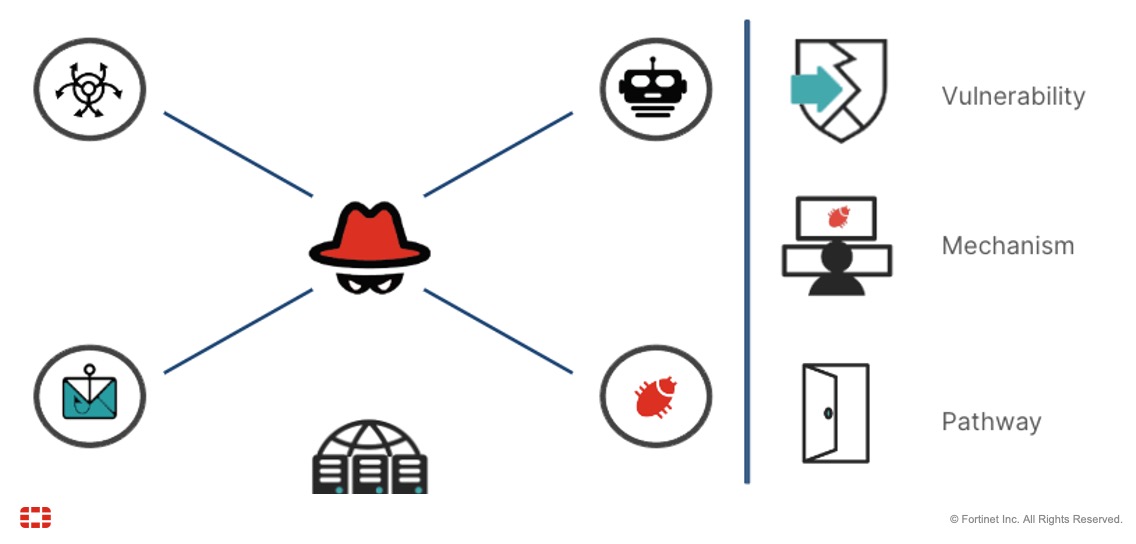
Latest Cyber Threats: Staying Vigilant in the Digital Age
In today’s interconnected world, where technology plays a central role in our daily lives, the threat of cyber attacks looms larger than ever. As technology advances, so do the tactics of cybercriminals seeking to exploit vulnerabilities for their gain. It is essential for individuals and organisations alike to stay informed about the latest cyber threats and take proactive measures to protect themselves.
Ransomware Attacks
Ransomware attacks continue to be a significant threat, with cybercriminals encrypting data and demanding payment for its release. These attacks can cripple businesses and individuals, causing financial loss and reputational damage.
Phishing Scams
Phishing scams remain a prevalent method used by cybercriminals to trick individuals into revealing sensitive information such as passwords or financial details. These scams often masquerade as legitimate emails or messages, making them difficult to detect.
Data Breaches
Data breaches pose a serious risk to both individuals and organisations, exposing sensitive information to malicious actors. With the increasing amount of data being stored online, securing this data has become paramount.
IoT Vulnerabilities
The proliferation of Internet of Things (IoT) devices has introduced new security challenges, as these devices are often not adequately protected against cyber threats. Hackers can exploit vulnerabilities in IoT devices to gain access to networks and sensitive information.
Cyber Espionage
Cyber espionage continues to be a significant threat, with state-sponsored actors targeting governments, businesses, and individuals for political or economic gain. These attacks can have far-reaching consequences and require robust security measures to mitigate.
Staying vigilant in the face of these evolving cyber threats is crucial. By implementing strong cybersecurity practices such as using reputable antivirus software, keeping software up-to-date, educating employees about potential threats, and regularly backing up data, individuals and organisations can reduce their risk of falling victim to cyber attacks.
Remember: cybersecurity is everyone’s responsibility. By staying informed about the latest cyber threats and taking proactive steps to protect yourself and your data, you can help create a safer digital environment for all.
Essential Tips to Safeguard Against the Latest Cyber Threats
- Keep your software and operating systems up to date to protect against vulnerabilities.
- Use strong, unique passwords for each of your online accounts.
- Be cautious of unsolicited emails or messages asking for personal information or clicking on links.
- Enable two-factor authentication wherever possible for an extra layer of security.
- Regularly back up your important data to prevent loss in case of a cyber attack.
- Educate yourself about common cyber threats and how to avoid them.
Keep your software and operating systems up to date to protect against vulnerabilities.
Keeping your software and operating systems up to date is a crucial step in safeguarding against the latest cyber threats. Software updates often include patches that address known vulnerabilities, making it harder for cybercriminals to exploit weaknesses in your system. By regularly updating your software, you can stay one step ahead of potential threats and enhance the overall security of your digital devices and data.
Use strong, unique passwords for each of your online accounts.
It is crucial to use strong, unique passwords for each of your online accounts to mitigate the risk of falling victim to the latest cyber threats. By creating complex passwords that are unique to each account, you can significantly enhance your online security. This practice helps prevent cybercriminals from gaining access to multiple accounts if one password is compromised. Remember, a strong password is your first line of defence in safeguarding your personal information and digital identity from malicious actors in today’s ever-evolving threat landscape.
Be cautious of unsolicited emails or messages asking for personal information or clicking on links.
In light of the latest cyber threats, it is crucial to exercise caution when encountering unsolicited emails or messages that request personal information or prompt you to click on links. Cybercriminals often use phishing tactics to deceive individuals into divulging sensitive data or unwittingly downloading malware. By remaining vigilant and refraining from interacting with suspicious communications, you can significantly reduce the risk of falling victim to malicious cyber activities.
Enable two-factor authentication wherever possible for an extra layer of security.
Enabling two-factor authentication wherever possible is a crucial step in enhancing your online security against the latest cyber threats. By adding an extra layer of verification beyond just a password, two-factor authentication significantly reduces the risk of unauthorised access to your accounts and sensitive information. This simple yet effective security measure can help safeguard your digital assets and provide you with peace of mind in an increasingly complex and interconnected digital landscape.
Regularly back up your important data to prevent loss in case of a cyber attack.
Regularly backing up your important data is a crucial step in safeguarding against the potential devastation of a cyber attack. By creating and maintaining secure backups of your valuable information, you can mitigate the impact of data loss or encryption caused by ransomware attacks or other malicious activities. In the event of a cyber incident, having up-to-date backups ensures that you can restore your data and resume normal operations swiftly, minimising disruption and financial loss. Remember, prevention is key in the fight against cyber threats, and regular data backups are a proactive measure that can provide invaluable protection for individuals and organisations alike.
Educate yourself about common cyber threats and how to avoid them.
It is crucial to educate yourself about common cyber threats and how to avoid them in today’s digital landscape. By staying informed about the tactics used by cybercriminals, such as phishing scams, ransomware attacks, and data breaches, you can better protect yourself and your sensitive information online. Understanding how these threats work empowers you to recognise suspicious activities and take proactive measures to safeguard your digital assets. Stay vigilant, stay informed, and stay safe in the face of evolving cyber risks.