
Identity Management in Cloud Computing
In the era of digital transformation, cloud computing has revolutionised the way businesses operate and store data. However, with the convenience and flexibility that cloud services offer comes the challenge of managing identities and access to sensitive information securely.
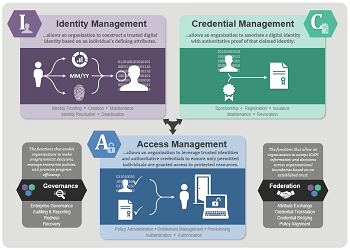
Identity management in cloud computing refers to the processes and technologies used to ensure that only authorised users can access resources and data stored in the cloud. It involves verifying the identity of users, controlling their access rights, and monitoring their activities to prevent unauthorised actions.
One of the key components of identity management in cloud computing is authentication. This process verifies the identity of a user based on credentials such as passwords, biometric data, or security tokens. Multi-factor authentication is often employed to add an extra layer of security by requiring users to provide multiple forms of verification.
Another important aspect is authorisation, which determines what resources a user can access and what actions they are allowed to perform within the cloud environment. Role-based access control (RBAC) is commonly used to assign permissions based on predefined roles or responsibilities.
Identity management solutions also include features such as single sign-on (SSO), which allows users to access multiple applications with a single set of login credentials, reducing the need to remember multiple passwords. This not only enhances user experience but also improves security by reducing the risk of password-related vulnerabilities.
Effective identity management in cloud computing requires a comprehensive approach that combines technology, policies, and procedures. Organisations must implement robust identity and access management (IAM) systems that integrate seamlessly with their cloud infrastructure and align with industry best practices.
By prioritising identity management in cloud computing, businesses can mitigate risks associated with unauthorised access, data breaches, and compliance violations. Investing in secure authentication mechanisms, strong encryption protocols, and regular monitoring of user activities can help safeguard sensitive information stored in the cloud.
In conclusion, identity management plays a critical role in ensuring the security and integrity of data stored in cloud environments. By implementing effective identity management practices, organisations can harness the full potential of cloud computing while maintaining control over who has access to their valuable resources.
Top 5 Tips for Effective Identity Management in Cloud Computing
- Implement strong authentication methods such as multi-factor authentication.
- Regularly review and update user access permissions to ensure least privilege principle.
- Utilise encryption techniques to protect sensitive data both in transit and at rest.
- Monitor user activities and set up alerts for any suspicious behaviour or unauthorized access attempts.
- Implement a robust identity governance framework to manage identities, roles, and responsibilities effectively.
Implement strong authentication methods such as multi-factor authentication.
To enhance security in cloud computing, it is advisable to implement robust authentication measures like multi-factor authentication. By requiring users to provide multiple forms of verification, such as passwords along with biometric data or security tokens, multi-factor authentication significantly strengthens the identity verification process. This extra layer of security helps mitigate the risk of unauthorised access and enhances overall data protection in the cloud environment.
Regularly review and update user access permissions to ensure least privilege principle.
In the realm of identity management in cloud computing, it is crucial to adhere to the principle of least privilege by regularly reviewing and updating user access permissions. By following this tip, organisations can ensure that users only have access to the resources and data necessary for their roles, minimising the risk of unauthorised actions or data breaches. Regularly evaluating and adjusting user permissions not only enhances security but also promotes efficient resource allocation within the cloud environment, ultimately contributing to a more robust and secure identity management strategy.
Utilise encryption techniques to protect sensitive data both in transit and at rest.
To enhance security in cloud computing, it is advisable to leverage encryption techniques to safeguard sensitive data during transmission and while at rest. By encrypting data both in transit and at rest, organisations can add an extra layer of protection against potential threats and unauthorised access. Encryption ensures that even if data is intercepted during transfer or stored on servers, it remains unintelligible to anyone without the proper decryption keys. Implementing robust encryption protocols is a fundamental practice in identity management within cloud environments, helping to mitigate risks and maintain the confidentiality of critical information.
Monitor user activities and set up alerts for any suspicious behaviour or unauthorized access attempts.
Monitoring user activities and setting up alerts for any suspicious behaviour or unauthorised access attempts is a crucial tip in identity management for cloud computing. By actively monitoring user interactions within the cloud environment, organisations can swiftly detect and respond to potential security threats. Setting up alerts allows for immediate notification of any unusual or unauthorised activities, enabling prompt investigation and mitigation of risks. This proactive approach enhances the overall security posture of the cloud infrastructure, helping to safeguard sensitive data and prevent potential breaches.
Implement a robust identity governance framework to manage identities, roles, and responsibilities effectively.
To enhance security and streamline access control in cloud computing, it is essential to implement a robust identity governance framework. This framework enables organisations to effectively manage identities, roles, and responsibilities within their cloud environment. By establishing clear policies and procedures for identity management, businesses can ensure that the right users have the appropriate level of access to resources while maintaining compliance with regulatory requirements. A well-defined identity governance framework not only strengthens security but also enhances operational efficiency by providing a structured approach to identity management in the cloud.