
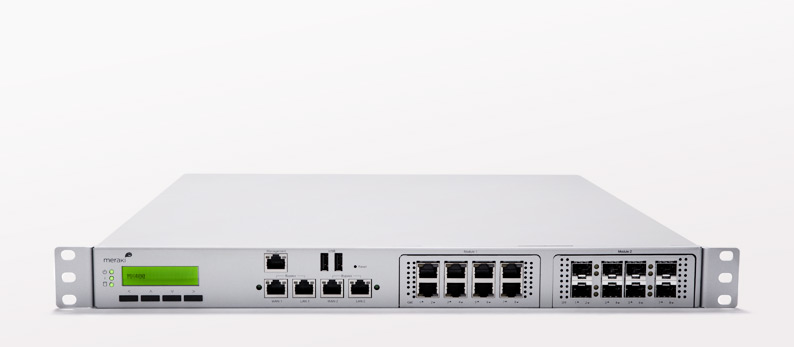
The Power of Cloud Managed Firewalls
In today’s digital landscape, where cyber threats are becoming increasingly sophisticated, the need for robust cybersecurity measures has never been more critical. One such essential tool in safeguarding your network is a cloud managed firewall.
A cloud managed firewall offers businesses a dynamic and scalable solution to protect their data and systems from malicious attacks. Unlike traditional firewalls that are hardware-based and require manual configuration, cloud managed firewalls operate in the cloud, providing real-time threat detection and response capabilities.
One of the key advantages of a cloud managed firewall is its flexibility. Businesses can easily scale their firewall resources up or down based on their needs, without the hassle of managing physical hardware. This agility ensures that your network security remains effective and adaptable in the face of evolving cyber threats.
Furthermore, cloud managed firewalls offer centralised management capabilities, allowing IT administrators to monitor and control firewall policies across multiple locations from a single dashboard. This streamlined approach enhances visibility and simplifies security management tasks, ultimately leading to improved operational efficiency.
Another significant benefit of cloud managed firewalls is their ability to provide advanced threat intelligence through integration with security analytics platforms. By leveraging machine learning algorithms and real-time data analysis, these firewalls can proactively identify and mitigate potential security risks before they escalate into full-blown attacks.
In conclusion, the adoption of a cloud managed firewall is essential for businesses looking to fortify their cybersecurity posture in today’s digital age. With its dynamic scalability, centralised management capabilities, and advanced threat intelligence features, a cloud managed firewall offers a powerful defence mechanism against cyber threats.
Essential Tips for Optimising Your Cloud Managed Firewall Security
- Regularly update the firewall firmware to ensure security patches are applied.
- Implement strong password policies for accessing the firewall management interface.
- Enable logging and monitoring features to track and analyse network traffic.
- Set up VPN connections for secure remote access to the network.
- Create and regularly review firewall rules to control inbound and outbound traffic effectively.
- Consider implementing multi-factor authentication for added security when accessing the firewall.
- Regularly review and audit firewall logs to detect any suspicious activities or potential security threats.
- Backup firewall configurations regularly to prevent data loss in case of system failures or breaches.
- Train IT staff on how to effectively manage and troubleshoot the cloud managed firewall.
Regularly update the firewall firmware to ensure security patches are applied.
To maintain optimal security protection with a cloud managed firewall, it is crucial to adhere to the best practice of regularly updating the firewall firmware. By ensuring that security patches are promptly applied through firmware updates, businesses can fortify their network defences against emerging cyber threats and vulnerabilities. This proactive approach helps to safeguard sensitive data and systems from potential breaches, enhancing overall cybersecurity resilience in an ever-evolving digital landscape.
Implement strong password policies for accessing the firewall management interface.
It is crucial to implement strong password policies for accessing the firewall management interface when utilising a cloud managed firewall. By enforcing robust password requirements, such as using a combination of uppercase and lowercase letters, numbers, and special characters, businesses can significantly enhance the security of their network. Strong passwords act as a vital barrier against unauthorised access to the firewall settings, ensuring that only authorised personnel can manage and configure the firewall effectively. This simple yet effective measure plays a pivotal role in safeguarding sensitive data and maintaining the integrity of the network infrastructure in the face of potential cyber threats.
Enable logging and monitoring features to track and analyse network traffic.
Enabling logging and monitoring features on your cloud managed firewall is a crucial step in enhancing your network security. By tracking and analysing network traffic, you gain valuable insights into potential threats and suspicious activities. This proactive approach allows you to identify and respond to security incidents swiftly, ensuring that your network remains protected against cyber attacks. Logging and monitoring features provide visibility into your network operations, empowering you to make informed decisions to strengthen your overall cybersecurity posture.
Set up VPN connections for secure remote access to the network.
Setting up VPN connections for secure remote access to the network is a crucial tip when utilising a cloud managed firewall. By establishing Virtual Private Network (VPN) connections, employees can securely access the company network from remote locations, ensuring data confidentiality and integrity. This additional layer of security provided by VPNs encrypts communication between the user’s device and the network, safeguarding sensitive information from potential cyber threats. Implementing VPN connections in conjunction with a cloud managed firewall enhances overall network security and enables seamless and protected remote access for employees working outside the traditional office environment.
Create and regularly review firewall rules to control inbound and outbound traffic effectively.
To maximise the effectiveness of a cloud managed firewall, it is crucial to create and regularly review firewall rules that govern inbound and outbound traffic. By establishing clear and specific rules, businesses can control the flow of data in and out of their network, thereby enhancing security measures. Regular reviews ensure that the firewall rules remain up-to-date and aligned with evolving cybersecurity threats, enabling proactive adjustments to better protect against potential breaches or vulnerabilities. This proactive approach to managing firewall rules is essential in maintaining a robust defence mechanism against cyber threats in today’s dynamic digital landscape.
Consider implementing multi-factor authentication for added security when accessing the firewall.
When utilising a cloud managed firewall, it is advisable to consider implementing multi-factor authentication as an additional layer of security when accessing the firewall. Multi-factor authentication enhances the protection of your network by requiring users to provide multiple forms of verification before gaining access, such as a password along with a unique code sent to their mobile device. This added security measure significantly reduces the risk of unauthorised access and strengthens the overall integrity of your firewall system. By incorporating multi-factor authentication, you can bolster the security of your network and ensure that only authorised personnel can access critical firewall settings and configurations.
Regularly review and audit firewall logs to detect any suspicious activities or potential security threats.
Regularly reviewing and auditing firewall logs is a crucial tip for maintaining the security of a cloud managed firewall. By monitoring these logs diligently, businesses can proactively detect any anomalous or suspicious activities that may indicate a potential security breach. Identifying and investigating such incidents promptly can help mitigate risks and prevent cyber threats from causing significant harm to the network infrastructure. This practice not only enhances the overall effectiveness of the firewall but also reinforces the organisation’s cybersecurity defences by ensuring constant vigilance against emerging threats.
Backup firewall configurations regularly to prevent data loss in case of system failures or breaches.
Regularly backing up firewall configurations is a crucial tip to ensure data integrity and security in the event of system failures or breaches. By maintaining up-to-date backups, businesses can quickly restore their firewall settings and rules, minimising downtime and potential data loss. This proactive measure not only safeguards critical information but also enhances the overall resilience of the network infrastructure, providing peace of mind in the face of unforeseen cyber threats.
Train IT staff on how to effectively manage and troubleshoot the cloud managed firewall.
To maximise the effectiveness of a cloud managed firewall, it is crucial to invest in training for IT staff on how to efficiently manage and troubleshoot the system. Equipping your team with the necessary skills and knowledge will ensure that they can proactively monitor the firewall, respond promptly to security incidents, and troubleshoot any issues that may arise. By empowering your IT staff with comprehensive training, you enhance the overall security posture of your network and strengthen your organisation’s resilience against cyber threats.