
The Power of Cyber Intelligence
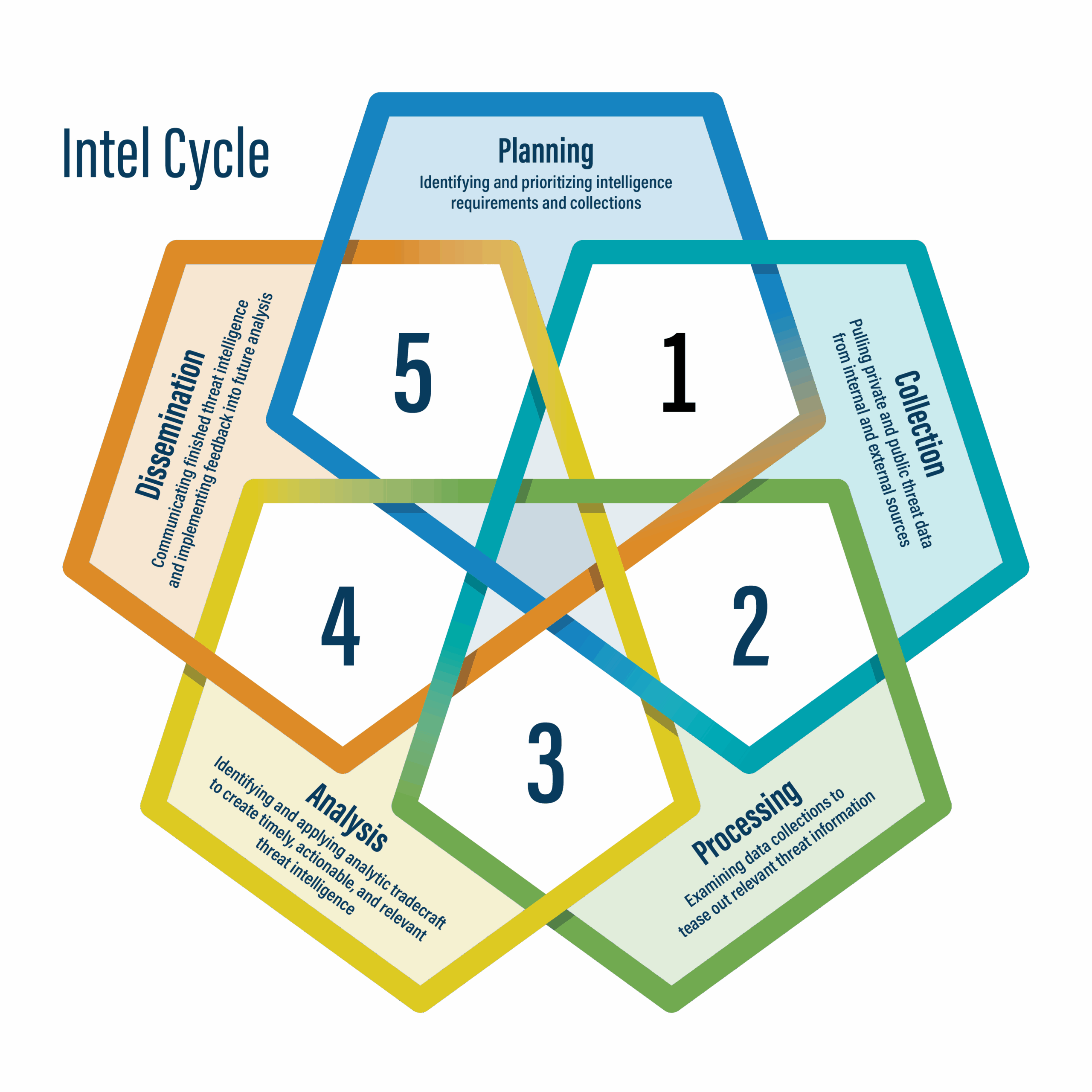
In today’s interconnected world, where information is exchanged at lightning speed and data breaches are a constant threat, the need for effective cyber intelligence has never been more critical. Cyber intelligence refers to the collection, analysis, and dissemination of information about potential cyber threats to help organisations protect their systems and data.
By harnessing the power of cyber intelligence, businesses and governments can stay one step ahead of cybercriminals. This proactive approach involves monitoring online activities, identifying vulnerabilities, and predicting potential attacks before they occur. It allows organisations to fortify their defences and respond swiftly to emerging threats.
Cyber intelligence is not just about detecting attacks; it also plays a crucial role in understanding the motives and tactics of threat actors. By analysing patterns and trends in cyber activity, analysts can uncover valuable insights that inform security strategies and decision-making processes.
Furthermore, cyber intelligence enables organisations to collaborate with industry peers and law enforcement agencies to share threat information and best practices. This collective effort strengthens the overall cybersecurity ecosystem and enhances the resilience of all parties involved.
As technology continues to advance at a rapid pace, so do the capabilities of cybercriminals. To combat this evolving threat landscape effectively, organisations must invest in robust cyber intelligence capabilities. By leveraging cutting-edge tools and expertise, they can proactively defend against sophisticated attacks and safeguard their most valuable assets.
Ultimately, cyber intelligence empowers organisations to take control of their cybersecurity posture and mitigate risks effectively. By staying informed, vigilant, and adaptive in the face of ever-changing threats, businesses can navigate the digital landscape with confidence and resilience.
Understanding Cyber Intelligence: Key FAQs and Insights for Organisations
- What is cyber intelligence?
- Why is cyber intelligence important?
- How does cyber intelligence help in cybersecurity?
- What are the benefits of investing in cyber intelligence?
- How can organisations leverage cyber intelligence tools?
- What role does collaboration play in cyber intelligence?
- How can small businesses benefit from implementing cyber intelligence practices?
- Is there a difference between traditional security measures and using cyberintelligence?
What is cyber intelligence?
Cyber intelligence is a strategic approach to gathering, analysing, and interpreting information related to potential cyber threats in order to enhance an organisation’s security posture. It involves monitoring digital activities, identifying vulnerabilities, and predicting potential attacks before they materialise. By leveraging cyber intelligence, businesses and governments can proactively defend against cybercriminals, understand their tactics, and strengthen their defences. This proactive stance enables organisations to stay ahead of emerging threats and make informed decisions to protect their systems and data effectively.
Why is cyber intelligence important?
Understanding the importance of cyber intelligence is crucial in today’s digital landscape. Cyber intelligence plays a vital role in safeguarding organisations against cyber threats by providing valuable insights into potential risks and vulnerabilities. By leveraging cyber intelligence, businesses can proactively identify and mitigate security gaps, predict and prevent attacks, and enhance their overall cybersecurity posture. This proactive approach not only helps in protecting sensitive data and systems but also enables organisations to stay ahead of cybercriminals and emerging threats. In essence, cyber intelligence is a strategic asset that empowers organisations to make informed decisions, strengthen their defences, and navigate the complex cybersecurity landscape with confidence.
How does cyber intelligence help in cybersecurity?
Cyber intelligence plays a pivotal role in enhancing cybersecurity by providing valuable insights into potential threats and vulnerabilities. By collecting and analysing data on cyber threats, trends, and actors, cyber intelligence enables organisations to anticipate and mitigate risks effectively. This proactive approach allows for the early detection of emerging threats, enabling timely responses to prevent or minimise potential damage. Moreover, cyber intelligence helps in identifying weaknesses in existing security measures, guiding the development of more robust defence strategies. By leveraging the power of cyber intelligence, organisations can strengthen their cybersecurity posture, stay ahead of malicious actors, and safeguard their critical assets from evolving cyber threats.
What are the benefits of investing in cyber intelligence?
Investing in cyber intelligence offers a multitude of benefits for organisations seeking to enhance their cybersecurity defences. By proactively monitoring and analysing potential threats, businesses can detect and thwart cyber attacks before they cause significant harm. Cyber intelligence provides valuable insights into the tactics and motives of threat actors, enabling organisations to strengthen their security posture and make informed decisions to mitigate risks effectively. Additionally, investing in cyber intelligence allows businesses to collaborate with industry peers and law enforcement agencies, fostering a collective effort to share threat information and best practices. This collaborative approach not only bolsters individual defences but also contributes to the overall resilience of the cybersecurity ecosystem. In essence, investing in cyber intelligence equips organisations with the tools and knowledge needed to stay ahead of evolving threats and safeguard their critical assets in an increasingly digital world.
How can organisations leverage cyber intelligence tools?
Organisations can leverage cyber intelligence tools to enhance their security posture and stay ahead of potential threats in today’s digital landscape. By investing in advanced tools that provide real-time monitoring, threat analysis, and predictive capabilities, organisations can proactively identify vulnerabilities and take preventive measures to mitigate risks. These tools enable businesses to gather valuable insights into emerging cyber threats, understand threat actor behaviours, and collaborate with industry peers to share threat information. By integrating cyber intelligence tools into their security infrastructure, organisations can strengthen their defences, respond effectively to incidents, and safeguard their critical assets from malicious actors.
What role does collaboration play in cyber intelligence?
Collaboration plays a pivotal role in cyber intelligence by fostering information sharing, enhancing collective defence mechanisms, and amplifying the effectiveness of cybersecurity efforts. In the realm of cyber intelligence, collaboration enables organisations to pool resources, expertise, and threat insights to create a unified front against malicious actors. By working together with industry peers, government agencies, and cybersecurity experts, organisations can leverage diverse perspectives and intelligence sources to identify emerging threats, develop proactive strategies, and respond swiftly to cyber incidents. This collaborative approach not only strengthens individual cybersecurity postures but also contributes to the overall resilience of the digital ecosystem. In essence, collaboration is the cornerstone of effective cyber intelligence, enabling stakeholders to stay ahead of evolving threats and protect critical assets in an increasingly interconnected world.
How can small businesses benefit from implementing cyber intelligence practices?
Small businesses can greatly benefit from implementing cyber intelligence practices as they provide a proactive approach to safeguarding their digital assets. By leveraging cyber intelligence, small businesses can stay informed about potential threats, vulnerabilities, and emerging trends in the cybersecurity landscape. This knowledge empowers them to strengthen their security measures, identify and mitigate risks more effectively, and respond swiftly to any potential cyber attacks. Additionally, by adopting cyber intelligence practices, small businesses can enhance their overall resilience against cyber threats, build customer trust by demonstrating a commitment to data security, and ensure the continuity of their operations in the face of evolving cyber risks.
Is there a difference between traditional security measures and using cyberintelligence?
When comparing traditional security measures to the use of cyber intelligence, a distinct difference emerges in their approach to cybersecurity. While traditional security measures focus on reactive strategies such as firewalls and antivirus software to defend against known threats, cyber intelligence takes a proactive stance by actively gathering and analysing data to identify potential risks and vulnerabilities before they are exploited. By leveraging advanced technologies and threat intelligence, cyber intelligence provides organisations with valuable insights that enable them to stay ahead of emerging threats and enhance their overall security posture. This proactive approach not only strengthens defences but also empowers organisations to make informed decisions that align with their cybersecurity objectives.