
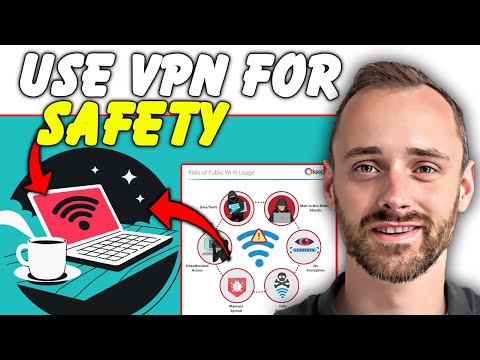
The Importance of Using VPN on Public WiFi
Public WiFi networks are convenient for staying connected on the go, but they also pose significant security risks. When you connect to a public WiFi hotspot, your data is vulnerable to hackers who may be eavesdropping on the network.
One effective way to protect your data and maintain your privacy while using public WiFi is by using a Virtual Private Network (VPN). A VPN creates a secure, encrypted connection between your device and the internet, ensuring that your online activities remain private and secure.
Benefits of Using VPN on Public WiFi:
- Enhanced Security: By encrypting your internet traffic, a VPN prevents hackers from intercepting your data on public WiFi networks.
- Data Privacy: VPNs hide your IP address and browsing history, keeping your online activities private from prying eyes.
- Bypass Restrictions: Some public WiFi networks may block certain websites or services. A VPN can help you bypass these restrictions and access the content you need.
- Secure Online Transactions: When using public WiFi to make online purchases or banking transactions, a VPN adds an extra layer of security to protect your sensitive information.
Tips for Using VPN on Public WiFi:
- Choose a Reliable VPN Provider: Select a reputable VPN service with strong encryption protocols and a strict no-logs policy.
- Enable Automatic Connection: Set up your device to automatically connect to the VPN whenever you join a public WiFi network.
- Avoid Sensitive Activities: While using public WiFi, avoid accessing sensitive information such as financial accounts or personal emails without the protection of a VPN.
In conclusion, using a VPN on public WiFi is essential for safeguarding your data and maintaining your privacy in an increasingly connected world. By taking proactive steps to secure your internet connection, you can enjoy the convenience of public WiFi without compromising your security.
Top 9 Advantages of Using a VPN on Public WiFi: Security, Privacy, and Access
- Enhanced security against potential hackers on public WiFi networks.
- Protection of sensitive data, such as personal information and online activities.
- Privacy assurance by hiding your IP address and encrypting internet traffic.
- Access to geo-restricted content or websites that may be blocked on public WiFi.
- Secure online transactions, including banking and shopping, with added encryption.
- Prevention of tracking by advertisers or malicious entities while using public WiFi.
- Anonymity online, allowing you to browse without revealing your identity or location.
- Increased peace of mind knowing that your data is shielded from cyber threats on public networks.
- Ability to bypass network restrictions and censorship imposed on certain websites or services.
Drawbacks of Using a VPN on Public Wi-Fi: Speed, Compatibility, and More
- Reduced Internet Speed
- Compatibility Issues
- Cost
- Complex Setup
- Limited Server Options
- Privacy Concerns
Enhanced security against potential hackers on public WiFi networks.
One significant advantage of using a VPN on public WiFi networks is the enhanced security it provides against potential hackers. By encrypting your internet traffic and creating a secure tunnel between your device and the VPN server, a VPN effectively shields your data from prying eyes on unsecured public WiFi hotspots. This added layer of protection not only safeguards your sensitive information from hackers looking to intercept it but also ensures that your online activities remain private and secure, offering you peace of mind while browsing on public networks.
Protection of sensitive data, such as personal information and online activities.
Using a VPN on public WiFi provides crucial protection for sensitive data, including personal information and online activities. By encrypting your internet traffic, a VPN shields your data from potential hackers or cybercriminals who may be lurking on the same network. This added layer of security ensures that your private details, such as login credentials, financial transactions, and browsing history, remain confidential and inaccessible to unauthorized parties. With a VPN in place, you can browse the web with peace of mind, knowing that your sensitive data is safeguarded against potential threats on public WiFi networks.
Privacy assurance by hiding your IP address and encrypting internet traffic.
One of the key advantages of using a VPN on public WiFi is the assurance of privacy it provides by hiding your IP address and encrypting your internet traffic. By concealing your real IP address, a VPN ensures that your online activities cannot be traced back to you, enhancing your anonymity and protecting your identity from potential threats. Additionally, the encryption of internet traffic adds an extra layer of security, making it nearly impossible for hackers or malicious actors to intercept and decipher your data while connected to public WiFi networks. This proactive approach to safeguarding your privacy significantly reduces the risk of cyber attacks and ensures that your sensitive information remains confidential and secure.
Access to geo-restricted content or websites that may be blocked on public WiFi.
One significant advantage of using a VPN on public WiFi is the ability to access geo-restricted content or websites that may be blocked on the network. By connecting to a VPN server in a different location, users can bypass geographical restrictions and access online content that would otherwise be unavailable. This feature not only enhances user experience but also ensures freedom of information access, allowing individuals to browse the internet without limitations imposed by public WiFi networks.
Secure online transactions, including banking and shopping, with added encryption.
One significant advantage of using a VPN on public WiFi is the ability to secure online transactions, such as banking and shopping, with added encryption. By encrypting your internet traffic through a VPN connection, you can ensure that sensitive information like credit card details and personal data remains protected from potential cyber threats and hackers lurking on public networks. This added layer of security gives users peace of mind when conducting financial transactions online, making it safer to shop or manage banking activities while connected to public WiFi hotspots.
Prevention of tracking by advertisers or malicious entities while using public WiFi.
When utilising a Virtual Private Network (VPN) on public WiFi, one significant advantage is the prevention of tracking by advertisers or malicious entities. By encrypting your internet traffic and masking your IP address, a VPN ensures that your online activities remain anonymous and shielded from prying eyes. This added layer of security not only safeguards your personal data but also prevents intrusive tracking efforts by advertisers or potential malicious entities seeking to exploit vulnerabilities on public WiFi networks.
Anonymity online, allowing you to browse without revealing your identity or location.
One significant advantage of using a VPN on public WiFi is the anonymity it provides online. By encrypting your internet connection and routing it through a remote server, a VPN allows you to browse the web without revealing your true identity or location. This added layer of privacy not only safeguards your personal information from potential hackers on public networks but also ensures that your online activities remain confidential and secure. With a VPN, you can enjoy peace of mind knowing that your browsing habits are shielded from prying eyes, enhancing your overall online experience.
Increased peace of mind knowing that your data is shielded from cyber threats on public networks.
By using a VPN on public WiFi, you can experience increased peace of mind knowing that your data is shielded from cyber threats on potentially insecure networks. The encryption provided by a VPN ensures that your online activities remain private and secure, protecting your sensitive information from hackers and other malicious actors who may be lurking on public WiFi networks. This added layer of security allows you to browse the internet with confidence, knowing that your data is safeguarded against potential threats, ultimately providing you with a sense of reassurance and protection in the digital realm.
Ability to bypass network restrictions and censorship imposed on certain websites or services.
One significant advantage of using a VPN on public WiFi is the ability to bypass network restrictions and censorship imposed on certain websites or services. By encrypting your internet connection and routing it through a secure server, a VPN allows you to access content that may be blocked or restricted on the public WiFi network you are using. This feature is particularly beneficial for users who need to access information or services that may be censored in certain regions, enabling them to browse the internet freely and without limitations.
Reduced Internet Speed
When utilising a VPN on public WiFi, one notable drawback to consider is the potential reduction in internet speed. This decrease in speed can occur as a result of the encryption process that VPNs employ to secure your online activities. While the added security is crucial, users may experience slower loading times and latency issues when accessing websites or streaming content over public WiFi networks. It is important to weigh the trade-off between enhanced security and potential speed limitations when deciding whether to use a VPN on public WiFi.
Compatibility Issues
One notable drawback of using a VPN on public WiFi is the potential for compatibility issues. Some VPN services may not be fully compatible with certain devices or operating systems, leading to connectivity issues and disruptions in your secure connection. This can be frustrating for users who rely on VPN protection while using public WiFi, as it may require troubleshooting or switching to a different VPN service to ensure smooth and reliable operation across all their devices.
Cost
One drawback of using a VPN on public WiFi is the additional cost involved. Premium VPN services typically require a subscription fee, which can be seen as an extra expense for users seeking enhanced security while connecting to public networks. While the added protection and privacy that a VPN offers are valuable, some users may find it challenging to justify the recurring cost, especially if they only use public WiFi sporadically. This financial consideration may deter some individuals from opting for a VPN service, despite its benefits in safeguarding their online activities on public WiFi networks.
Complex Setup
One significant drawback of using a VPN on public WiFi is the complex setup process. For less tech-savvy users, configuring and setting up a VPN on multiple devices can be daunting and time-consuming. The intricacies of selecting the right VPN provider, understanding encryption protocols, and troubleshooting connection issues may deter some users from utilising this important security measure. This complexity can lead to frustration and potential errors in the setup process, ultimately hindering individuals from fully benefiting from the protection that a VPN offers on public WiFi networks.
Limited Server Options
When using VPN on public WiFi, one significant drawback to consider is the limited server options that often come with free VPN services. These restrictions can lead to reduced browsing speeds and hindered access to certain online content. Free VPN providers may offer a smaller selection of servers compared to premium services, which can result in slower connection speeds and potential difficulties in accessing geo-restricted websites or services. It is essential to weigh the trade-offs between cost and functionality when opting for a free VPN on public WiFi, as limited server options could impact your overall browsing experience.
Privacy Concerns
Privacy Concerns: While VPNs enhance privacy, some free VPN providers may collect user data for advertising purposes, compromising anonymity. Users should be cautious when opting for free VPN services as they may not offer the same level of data protection as paid options. It is important to thoroughly research and choose a reputable VPN provider that prioritises user privacy and does not engage in data logging or sharing practices that could undermine the very security users seek by using a VPN on public WiFi networks.