
The Importance of SIEM in Cyber Security
Security Information and Event Management (SIEM) is a crucial component of modern cybersecurity strategies. It provides organisations with a comprehensive solution for managing and analysing security data to detect and respond to cyber threats effectively.
SIEM systems collect and aggregate log data from various sources within an organisation’s network, including servers, applications, firewalls, and more. By centralising this data, SIEM platforms enable security teams to monitor activities in real-time, identify suspicious patterns or anomalies, and investigate potential security incidents.
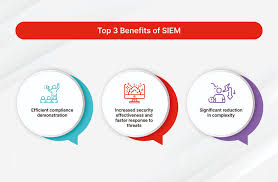
One of the key benefits of SIEM is its ability to correlate data from multiple sources to provide a holistic view of the organisation’s security posture. By analysing logs and events across different systems, SIEM solutions can help detect advanced threats that may go unnoticed by individual security tools.
In addition to threat detection, SIEM platforms also play a vital role in incident response. They enable security teams to quickly respond to security incidents by providing real-time alerts, automated response capabilities, and detailed forensic analysis tools.
Furthermore, SIEM systems help organisations comply with regulatory requirements by providing detailed audit trails and reports on security events. This is particularly important for industries that handle sensitive data and must adhere to strict data protection regulations.
In conclusion, SIEM is an essential tool for modern cybersecurity efforts. By centralising and analysing security data from across the network, SIEM platforms empower organisations to proactively detect and respond to cyber threats, enhance their incident response capabilities, and maintain compliance with regulatory standards.
Understanding SIEM Cyber Security: Key Functions, Differences with SOC, Tools, and Splunk Integration
- What is the function of SIEM?
- What is a SIEM vs soc?
- What is a SIEM and SOC?
- What is an example of a SIEM tool?
- What is SIEM and Splunk?
What is the function of SIEM?
The primary function of Security Information and Event Management (SIEM) is to provide organisations with a comprehensive solution for managing and analysing security data to detect and respond to cyber threats effectively. SIEM systems collect and aggregate log data from various sources within an organisation’s network, enabling security teams to monitor activities in real-time, identify suspicious patterns or anomalies, and investigate potential security incidents. By correlating data from multiple sources, SIEM platforms offer a holistic view of the organisation’s security posture, helping detect advanced threats that may evade individual security tools. Additionally, SIEM plays a vital role in incident response by providing real-time alerts, automated response capabilities, and detailed forensic analysis tools to help organisations quickly respond to security incidents.
What is a SIEM vs soc?
When comparing a Security Information and Event Management (SIEM) system with a Security Operations Centre (SOC), it is important to understand their distinct roles in cybersecurity. A SIEM is a technology solution that aggregates and analyses security data from various sources to detect and respond to threats, providing insights into security events. On the other hand, a SOC is a team of cybersecurity professionals responsible for monitoring, detecting, analysing, and responding to security incidents in real-time. While a SIEM is a tool used within a SOC to enhance its capabilities, the SOC itself encompasses people, processes, and technology working together to protect an organisation’s digital assets effectively.
What is a SIEM and SOC?
A Security Information and Event Management (SIEM) system is a comprehensive cybersecurity solution that collects and analyses security data from various sources within an organisation’s network to detect and respond to potential threats effectively. On the other hand, a Security Operations Centre (SOC) is a dedicated team or facility responsible for monitoring, detecting, analysing, and responding to cybersecurity incidents. The SOC often utilises SIEM technology as a central tool to enhance its capabilities in threat detection and incident response. By integrating SIEM with SOC operations, organisations can strengthen their overall cybersecurity posture by proactively identifying and mitigating security risks in real-time.
What is an example of a SIEM tool?
A commonly cited example of a Security Information and Event Management (SIEM) tool is Splunk Enterprise Security. Splunk is a widely used SIEM platform that offers advanced capabilities for collecting, analysing, and visualising security data from various sources within an organisation’s network. With features such as real-time monitoring, threat intelligence integration, and customisable dashboards, Splunk Enterprise Security helps security teams detect and respond to cyber threats effectively. Its user-friendly interface and powerful analytics make it a popular choice for organisations looking to enhance their cybersecurity posture through comprehensive SIEM solutions.
What is SIEM and Splunk?
Security Information and Event Management (SIEM) and Splunk are both powerful tools in the realm of cybersecurity. SIEM systems act as a centralised platform for collecting, analysing, and correlating security data from various sources within an organisation’s network to detect and respond to threats effectively. On the other hand, Splunk is a leading data analytics platform that can be used for a wide range of purposes, including security monitoring and analysis. While SIEM focuses specifically on security event management, Splunk offers broader capabilities for indexing, searching, and visualising data across different sources. When used together, SIEM and Splunk can enhance an organisation’s overall security posture by providing comprehensive visibility into security events and enabling proactive threat detection and response.