
The Importance of Password Management in Cyber Security
In today’s digital age, where cyber threats are becoming increasingly sophisticated, effective password management is crucial for protecting your sensitive information online. Passwords serve as the first line of defence against hackers and cybercriminals, making it essential to follow best practices in password creation and management.
Best Practices for Password Management:
- Use Strong and Unique Passwords: Create passwords that are complex and difficult to guess. Avoid using easily identifiable information such as birthdays or common words.
- Change Passwords Regularly: It is recommended to change your passwords periodically to reduce the risk of unauthorized access to your accounts.
- Enable Two-Factor Authentication (2FA): Adding an extra layer of security through 2FA can significantly enhance the protection of your accounts, even if your password is compromised.
- Avoid Reusing Passwords: Using the same password for multiple accounts increases the risk of a security breach. Ensure that each account has a unique password.
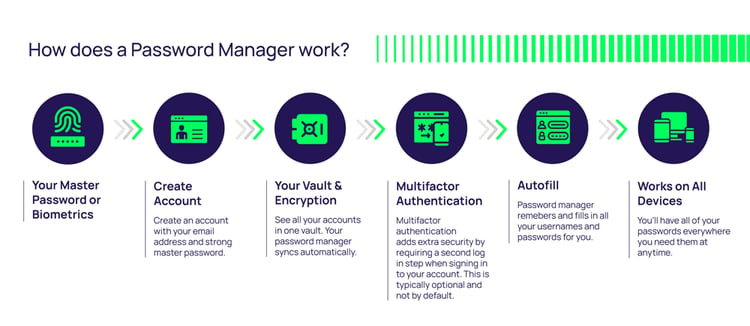
- Store Passwords Securely: Consider using a reputable password manager to securely store and manage your passwords. This eliminates the need to remember multiple complex passwords while keeping them safe from prying eyes.
The Risks of Poor Password Management:
Failure to implement proper password management practices can expose you to various risks, including:
- Data Breaches: Weak or reused passwords make it easier for cybercriminals to gain unauthorized access to your personal and financial information.
- Identity Theft: Compromised passwords can lead to identity theft, where criminals use your personal information for fraudulent activities.
- Ransomware Attacks: Inadequate password protection can make you vulnerable to ransomware attacks, where hackers encrypt your files and demand payment for decryption.
In Conclusion
Password management plays a vital role in safeguarding your digital assets and maintaining online security. By following best practices such as using strong, unique passwords and enabling two-factor authentication, you can significantly reduce the risk of falling victim to cyber threats. Remember, a proactive approach to password management is key to staying one step ahead of malicious actors in the ever-evolving landscape of cybersecurity.
7 Essential Tips for Effective Password Management in Cyber Security
- Use a unique password for each of your accounts.
- Create strong passwords with a mix of letters, numbers, and special characters.
- Avoid using easily guessable information like your name or birthdate in your passwords.
- Consider using a reputable password manager to securely store and manage your passwords.
- Enable two-factor authentication for an extra layer of security on your accounts.
- Regularly update your passwords, especially after any security breaches or incidents.
- Be cautious of phishing attempts that try to trick you into revealing your password.
Use a unique password for each of your accounts.
In the realm of cyber security, a fundamental tip for robust password management is to use a unique password for each of your accounts. By employing distinct passwords for different accounts, you significantly enhance your online security posture. This practice mitigates the risk of a single compromised password leading to unauthorized access across multiple platforms, safeguarding your sensitive information and reducing the potential impact of security breaches. Embracing the principle of uniqueness in password creation is a proactive step towards fortifying your digital defences against cyber threats.
Create strong passwords with a mix of letters, numbers, and special characters.
Creating strong passwords with a mix of letters, numbers, and special characters is a fundamental tip in effective password management for cyber security. By incorporating a diverse range of characters into your passwords, you significantly enhance their complexity and make them more resistant to hacking attempts. This practice strengthens the security of your accounts and helps safeguard your sensitive information from potential threats in the digital realm.
Avoid using easily guessable information like your name or birthdate in your passwords.
It is crucial to avoid using easily guessable information such as your name or birthdate in your passwords when managing your online security. Hackers often rely on personal details to crack passwords, making it essential to create unique and complex combinations that are difficult to predict. By steering clear of common identifiers in your passwords, you enhance the strength of your online defences and reduce the risk of falling victim to cyber attacks.
Consider using a reputable password manager to securely store and manage your passwords.
When it comes to effective password management in cybersecurity, considering the use of a reputable password manager is a highly recommended practice. A reliable password manager provides a secure platform to store and manage all your passwords in one encrypted location, offering convenience without compromising security. By entrusting your passwords to a reputable password manager, you can enhance the protection of your accounts and sensitive information while simplifying the process of maintaining strong and unique passwords across various online platforms.
Enable two-factor authentication for an extra layer of security on your accounts.
Enabling two-factor authentication provides an additional layer of security to your accounts, significantly enhancing protection against unauthorised access. By requiring a second form of verification in addition to your password, such as a unique code sent to your mobile device, two-factor authentication adds an extra barrier that makes it harder for hackers to breach your accounts. This simple yet effective measure can greatly bolster the security of your online presence and reduce the risk of falling victim to cyber threats.
Regularly update your passwords, especially after any security breaches or incidents.
It is crucial to regularly update your passwords, particularly in the aftermath of any security breaches or incidents. By changing your passwords proactively, you can mitigate the risk of unauthorised access to your accounts and sensitive information. Updating passwords following security incidents helps to enhance your overall cybersecurity posture and ensures that your online accounts remain secure against evolving threats. Stay vigilant and promptly change your passwords when necessary to stay one step ahead of potential cyber threats.
Be cautious of phishing attempts that try to trick you into revealing your password.
In the realm of cyber security, it is crucial to remain vigilant against phishing attempts that aim to deceive you into disclosing your password. Phishing attacks often masquerade as legitimate emails or messages, enticing unsuspecting individuals to divulge their sensitive information. By exercising caution and scrutinising all communication for signs of phishing, such as suspicious links or requests for personal details, you can thwart these malicious efforts and safeguard your passwords from falling into the wrong hands.