
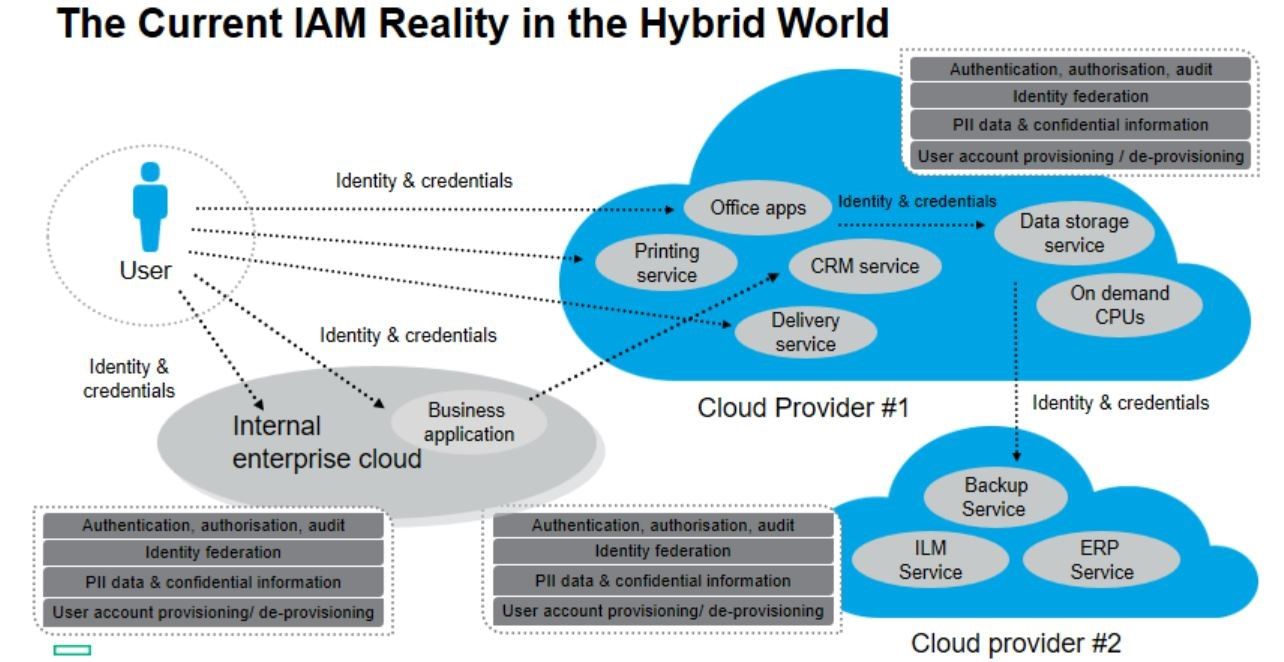
Cloud Security: Identity and Access Management
In the realm of cloud computing, ensuring robust security measures is paramount. One crucial aspect of cloud security is Identity and Access Management (IAM). IAM plays a vital role in controlling access to resources within cloud environments, safeguarding sensitive data, and preventing unauthorized breaches.
Identity management involves authenticating and authorizing users while managing their permissions to access various resources. This process ensures that only authorized individuals can interact with specific data or applications. By implementing strong identity management practices, organisations can mitigate the risk of data breaches and maintain regulatory compliance.
Access management, on the other hand, focuses on regulating user privileges based on their roles within an organisation. By applying the principle of least privilege, where users are granted only the permissions necessary to perform their tasks, businesses can limit potential security vulnerabilities.
Cloud service providers offer a range of IAM tools and services to help organisations secure their cloud environments effectively. These tools often include features such as multi-factor authentication, role-based access control, and automated user provisioning and deprovisioning.
Effective IAM implementation requires a comprehensive strategy that encompasses not only technical solutions but also policies, procedures, and employee training. Regular monitoring and auditing of access rights are essential to ensure ongoing security compliance.
As cyber threats continue to evolve, organisations must remain vigilant in enhancing their cloud security measures. By prioritising Identity and Access Management within their cloud infrastructure, businesses can strengthen their defences against potential security breaches and safeguard critical data assets.
Top 5 Tips for Enhancing Cloud Security: Effective Identity and Access Management Strategies
- Implement strong authentication methods such as multi-factor authentication.
- Regularly review and update user access permissions to ensure least privilege access.
- Utilize role-based access control to manage user permissions effectively.
- Encrypt data both in transit and at rest to protect sensitive information.
- Monitor and audit user activities within the cloud environment for any suspicious behaviour.
Implement strong authentication methods such as multi-factor authentication.
To enhance cloud security through effective Identity and Access Management, it is highly recommended to implement robust authentication methods like multi-factor authentication. Multi-factor authentication adds an extra layer of security by requiring users to provide multiple forms of verification before accessing sensitive data or applications. By incorporating this advanced authentication measure, organisations can significantly reduce the risk of unauthorised access and strengthen their overall security posture in the cloud environment.
Regularly review and update user access permissions to ensure least privilege access.
Regularly reviewing and updating user access permissions is a crucial tip in cloud security Identity and Access Management. By ensuring that users are granted only the permissions necessary to perform their specific roles, organisations can adhere to the principle of least privilege access. This practice not only minimises the risk of unauthorised data breaches but also enhances overall security posture by limiting potential vulnerabilities. Regular reviews of user access permissions enable businesses to adapt swiftly to changing requirements and maintain a proactive approach to safeguarding sensitive information within their cloud environments.
Utilize role-based access control to manage user permissions effectively.
To enhance cloud security through Identity and Access Management, it is advisable to leverage role-based access control (RBAC) for efficient management of user permissions. By implementing RBAC, organisations can assign specific roles to users based on their responsibilities and authority levels. This granular approach ensures that users have access only to the resources necessary for their tasks, reducing the risk of unauthorised access to sensitive data. RBAC simplifies user management processes, enhances security compliance, and streamlines access control within cloud environments.
Encrypt data both in transit and at rest to protect sensitive information.
To enhance cloud security through Identity and Access Management, it is essential to encrypt data both in transit and at rest. Encrypting data ensures that sensitive information remains secure and protected from unauthorized access or interception. By implementing robust encryption protocols, organisations can safeguard their data throughout its lifecycle, whether it is being transmitted between systems or stored within cloud environments. This proactive measure adds an extra layer of defence against potential threats and helps maintain the confidentiality and integrity of critical information.
Monitor and audit user activities within the cloud environment for any suspicious behaviour.
To enhance cloud security through Identity and Access Management, it is crucial to monitor and audit user activities within the cloud environment for any signs of suspicious behaviour. By regularly reviewing user actions and access patterns, organisations can quickly identify potential security threats or unauthorized activities. Monitoring and auditing user activities not only helps in detecting anomalies but also aids in maintaining compliance with security policies and regulations. This proactive approach to surveillance plays a key role in strengthening overall cloud security measures and safeguarding sensitive data from potential breaches.