
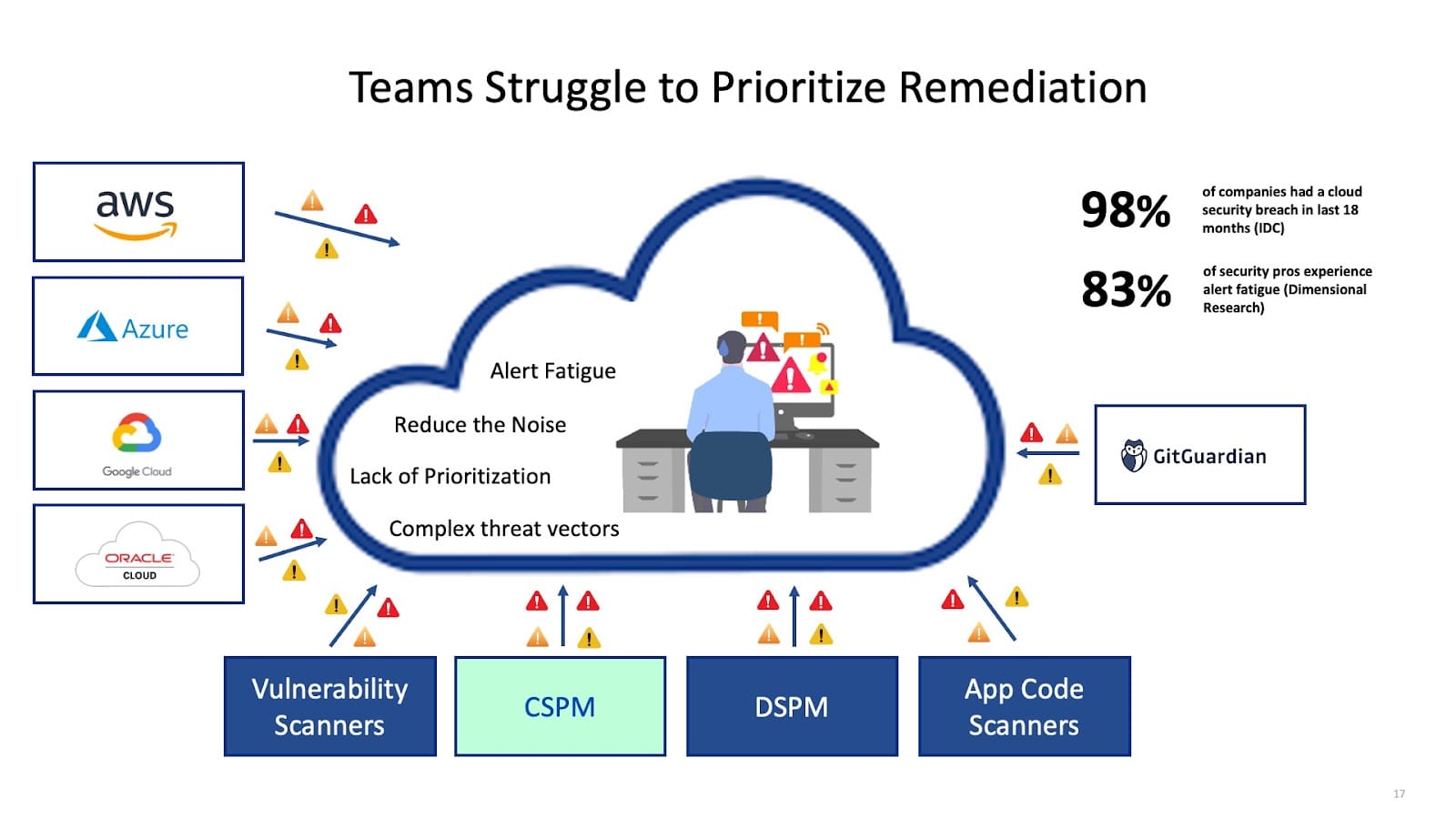
Enhancing Cloud Security with Azure Cloud Security Posture Management
In today’s digital landscape, the shift towards cloud computing has revolutionized the way businesses operate. While the cloud offers numerous benefits such as scalability and flexibility, it also introduces new security challenges that need to be addressed.
One crucial aspect of cloud security is maintaining a strong security posture to protect sensitive data and applications. This is where Azure Cloud Security Posture Management (CSPM) comes into play. CSPM tools help organizations monitor and manage their cloud environments to ensure compliance with security best practices.
Azure CSPM provides a comprehensive set of tools and features that enable businesses to assess, monitor, and improve their security posture in the Azure cloud environment. With CSPM, organisations can:
- Identify misconfigurations: CSPM tools scan cloud resources for misconfigurations that could expose vulnerabilities.
- Enforce compliance policies: Businesses can define custom security policies and automatically enforce them across their Azure environment.
- Monitor security posture: Real-time monitoring helps organizations track their security posture and respond promptly to any issues.
- Automate remediation: CSPM tools can automate the remediation of security issues, reducing manual intervention and improving efficiency.
By leveraging Azure CSPM, businesses can enhance their cloud security strategy and mitigate risks associated with cloud deployments. With proactive monitoring and automated responses, organisations can strengthen their overall security posture in the cloud.
In conclusion, Azure Cloud Security Posture Management is a vital component of a robust cloud security strategy. By using CSPM tools to assess, monitor, and improve their security posture in the Azure environment, businesses can better protect their data, applications, and infrastructure from cyber threats.
7 Essential Tips for Strengthening Cloud Security Posture Management in Azure
- Regularly review and update access controls for Azure resources.
- Enable multi-factor authentication for all user accounts.
- Implement network security groups to restrict traffic to and from Azure resources.
- Use encryption to protect data at rest and in transit within Azure services.
- Monitor and analyse logs and alerts for suspicious activities or security breaches.
- Regularly conduct security assessments and audits of your Azure environment.
- Stay informed about the latest security best practices and updates from Microsoft.
Regularly review and update access controls for Azure resources.
To enhance cloud security posture management in Azure, it is essential to regularly review and update access controls for Azure resources. By consistently monitoring and adjusting access permissions, organisations can ensure that only authorised individuals have the necessary privileges to interact with sensitive data and applications within the cloud environment. This proactive approach helps mitigate the risk of unauthorised access and strengthens overall security measures in Azure.
Enable multi-factor authentication for all user accounts.
Enabling multi-factor authentication for all user accounts is a crucial step in enhancing cloud security posture management in Azure. By requiring an additional layer of verification beyond passwords, such as a code sent to a mobile device or biometric confirmation, organisations can significantly reduce the risk of unauthorised access to sensitive data and resources. Multi-factor authentication adds an extra level of security that helps safeguard user accounts against potential cyber threats, ensuring that only authorised users can access cloud services and applications.
Implement network security groups to restrict traffic to and from Azure resources.
Implementing network security groups (NSGs) is a crucial tip in enhancing cloud security posture management in Azure. By utilising NSGs to restrict traffic to and from Azure resources, organisations can effectively control access and minimise potential security risks. NSGs act as virtual firewalls, allowing businesses to define inbound and outbound traffic rules based on their specific requirements. This proactive approach helps strengthen the overall security posture of Azure environments by limiting exposure to potential threats and ensuring that only authorised communication flows are permitted.
Use encryption to protect data at rest and in transit within Azure services.
To enhance cloud security posture management in Azure, it is crucial to utilise encryption to safeguard data both at rest and in transit within Azure services. By implementing encryption protocols, organisations can ensure that sensitive data remains protected from potential threats and unauthorized access. Encrypting data at rest ensures that information stored within Azure services is secure, while encrypting data in transit adds an additional layer of protection when data is being transferred between different components or services. This proactive approach to encryption plays a vital role in strengthening overall cloud security and maintaining the integrity of critical business information.
Monitor and analyse logs and alerts for suspicious activities or security breaches.
Monitoring and analysing logs and alerts for suspicious activities or security breaches is a crucial aspect of maintaining a strong cloud security posture in Azure. By actively monitoring logs and alerts, organisations can detect any unusual behaviour or potential security threats in real-time. This proactive approach allows businesses to respond swiftly to incidents, investigate the root cause of security breaches, and implement necessary measures to prevent future occurrences. Regularly reviewing logs and alerts helps ensure that any suspicious activities are promptly identified and addressed, enhancing overall security resilience in the Azure cloud environment.
Regularly conduct security assessments and audits of your Azure environment.
Regularly conducting security assessments and audits of your Azure environment is a crucial step in maintaining a strong cloud security posture. By regularly reviewing and evaluating the security measures in place, businesses can identify vulnerabilities, misconfigurations, or potential threats that may put their data at risk. These assessments help ensure that security policies are being followed, and any deviations can be promptly addressed. With proactive monitoring and regular audits, organisations can stay ahead of emerging threats and strengthen their overall security posture in the Azure cloud environment.
Stay informed about the latest security best practices and updates from Microsoft.
To enhance your cloud security posture management in Azure, it is crucial to stay informed about the latest security best practices and updates from Microsoft. By keeping abreast of the most recent developments in cloud security, you can proactively implement necessary measures to safeguard your data and applications effectively. Microsoft regularly releases updates and guidelines to help users strengthen their security posture in the Azure environment, so staying informed ensures that you are equipped with the knowledge needed to protect your assets against evolving cyber threats.