
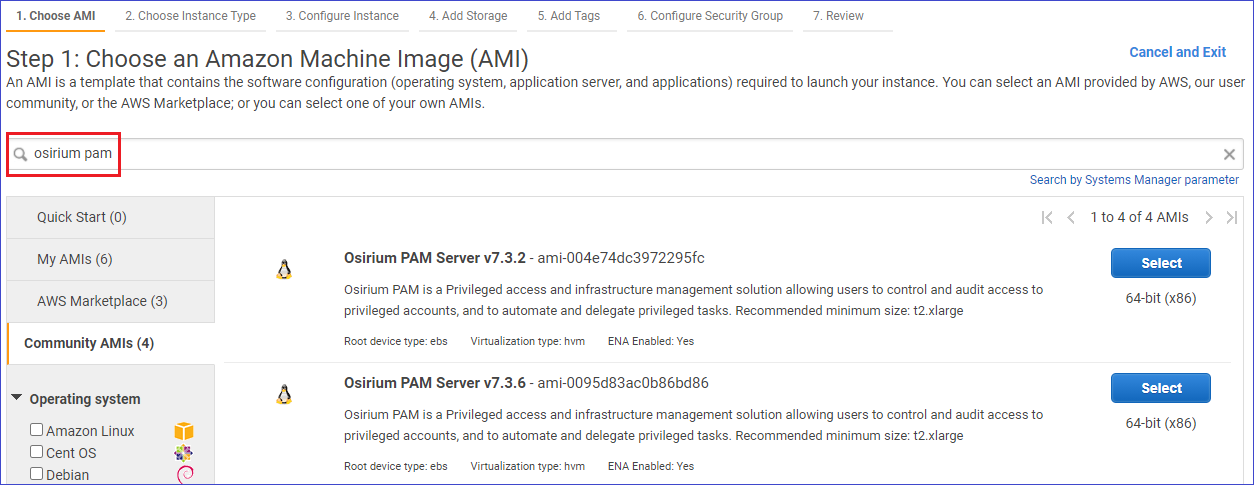
The Importance of AWS Privileged Access Management
Privileged access management (PAM) is a critical aspect of maintaining the security and integrity of your AWS (Amazon Web Services) environment. With the increasing sophistication of cyber threats, it is more important than ever to control and monitor privileged access within your AWS infrastructure.
Privileged accounts have elevated permissions that, if compromised, can lead to catastrophic consequences for your organisation. AWS PAM helps you manage and secure these accounts effectively, reducing the risk of unauthorised access and potential data breaches.
Key Benefits of AWS Privileged Access Management:
- Enhanced Security: By implementing PAM controls, you can limit access to sensitive resources and ensure that only authorised users can perform privileged actions.
- Auditability: PAM solutions provide detailed logs and audit trails, allowing you to track user activities and identify any suspicious behaviour.
- Compliance: Many regulatory standards require robust privileged access management practices. Implementing AWS PAM helps you meet compliance requirements effectively.
- Risk Mitigation: By proactively managing privileged access, you reduce the likelihood of insider threats and external attacks that target high-privileged accounts.
Best Practices for AWS Privileged Access Management:
- Least Privilege Principle: Grant users the minimum level of access required to perform their job functions, reducing the risk of excessive permissions.
- Multifactor Authentication (MFA): Enforce MFA for all privileged accounts to add an extra layer of security against unauthorised access attempts.
- Regular Reviews: Periodically review and update permissions assigned to privileged users to ensure alignment with current business needs.
- Auditing and Monitoring: Implement robust logging mechanisms to monitor privileged activities in real-time and detect any anomalies promptly.
In conclusion, prioritising AWS Privileged Access Management is essential for safeguarding your cloud infrastructure against security threats. By following best practices and leveraging PAM solutions effectively, you can strengthen your security posture and protect your valuable assets in the cloud.
Essential Tips for Managing Privileged Access in AWS: A Guide to Enhanced Security
- 1. Use IAM roles to grant temporary access when needed.
- 2. Implement the principle of least privilege – only grant necessary permissions.
- 3. Enable MFA for all privileged accounts to add an extra layer of security.
- 4. Regularly review and audit IAM policies to ensure they are up-to-date and secure.
- 5. Utilise AWS CloudTrail to monitor and track privileged access activities.
- 6. Consider using AWS Organizations to centrally manage and control access across multiple accounts.
- 7. Rotate access keys and credentials regularly to reduce the risk of compromise.
- 8. Train staff on best practices for handling privileged access securely.
1. Use IAM roles to grant temporary access when needed.
Using IAM roles to grant temporary access when needed is a recommended practice in AWS Privileged Access Management. By leveraging IAM roles, organisations can provide users with temporary permissions to perform specific tasks without compromising long-term security. This approach enhances security by limiting the duration of elevated access and reducing the risk of unauthorised use of privileges. Additionally, IAM roles offer flexibility and control, allowing administrators to grant time-limited access based on business requirements while maintaining a proactive stance towards privileged account management in the AWS environment.
2. Implement the principle of least privilege – only grant necessary permissions.
In AWS Privileged Access Management, it is crucial to adhere to the principle of least privilege by granting users only the permissions necessary to perform their specific job functions. By implementing this principle, you can minimise the risk of unauthorised access and potential security breaches within your AWS environment. Restricting permissions to the essential level not only enhances security but also ensures that users operate within defined boundaries, reducing the likelihood of accidental or intentional misuse of privileges. Following this best practice is fundamental in maintaining a secure and well-protected AWS infrastructure.
3. Enable MFA for all privileged accounts to add an extra layer of security.
Enabling Multifactor Authentication (MFA) for all privileged accounts is a crucial step in enhancing the security of your AWS environment. By requiring an additional verification method beyond passwords, such as a temporary code sent to a mobile device, MFA adds an extra layer of protection against unauthorised access attempts. This simple yet effective measure significantly reduces the risk of account compromise and strengthens the overall security posture of your AWS infrastructure.
4. Regularly review and audit IAM policies to ensure they are up-to-date and secure.
It is crucial to regularly review and audit IAM policies in your AWS environment to maintain a high level of security and ensure that they are up-to-date. By conducting routine assessments of your IAM policies, you can identify any outdated permissions or potential vulnerabilities that may exist. This proactive approach allows you to make necessary adjustments, revoke unnecessary access, and strengthen your overall security posture. Regular reviews and audits of IAM policies play a key role in mitigating risks and safeguarding your AWS infrastructure from unauthorised access or misuse.
5. Utilise AWS CloudTrail to monitor and track privileged access activities.
Utilising AWS CloudTrail to monitor and track privileged access activities is a crucial step in enhancing the security of your AWS environment. By leveraging CloudTrail’s detailed logs and audit trails, you can gain valuable insights into who accessed privileged resources, what actions were taken, and when they occurred. This proactive approach not only helps you detect and investigate potential security incidents but also ensures compliance with regulatory requirements by maintaining a comprehensive record of privileged access activities. By incorporating AWS CloudTrail into your privileged access management strategy, you can effectively strengthen your security posture and mitigate risks associated with high-privileged accounts.
6. Consider using AWS Organizations to centrally manage and control access across multiple accounts.
When implementing AWS Privileged Access Management, a valuable tip is to consider utilising AWS Organizations to centrally manage and control access across multiple accounts. By leveraging AWS Organizations, organisations can streamline the management of permissions and access policies, ensuring consistent security practices across their AWS environment. This centralised approach enhances visibility and control over user access rights, simplifying the process of enforcing security policies and reducing the risk of unauthorised access or misconfigurations across various accounts.
7. Rotate access keys and credentials regularly to reduce the risk of compromise.
It is crucial to rotate access keys and credentials regularly when implementing AWS Privileged Access Management. By regularly updating these keys and credentials, you can significantly reduce the risk of compromise and enhance the security of your AWS environment. Regular rotation ensures that any leaked or stolen credentials become obsolete quickly, limiting the window of opportunity for potential attackers to gain unauthorised access to your sensitive resources. This proactive measure is an essential practice in maintaining a robust security posture within your AWS infrastructure.
8. Train staff on best practices for handling privileged access securely.
To enhance the effectiveness of AWS Privileged Access Management, it is crucial to provide comprehensive training to staff members on best practices for securely handling privileged access. Educating employees on the importance of maintaining security protocols, adhering to least privilege principles, and implementing secure authentication methods can significantly reduce the risk of unauthorised access and potential security breaches. By empowering staff with the knowledge and skills necessary to handle privileged access securely, organisations can strengthen their overall security posture and mitigate risks effectively in their AWS environment.