
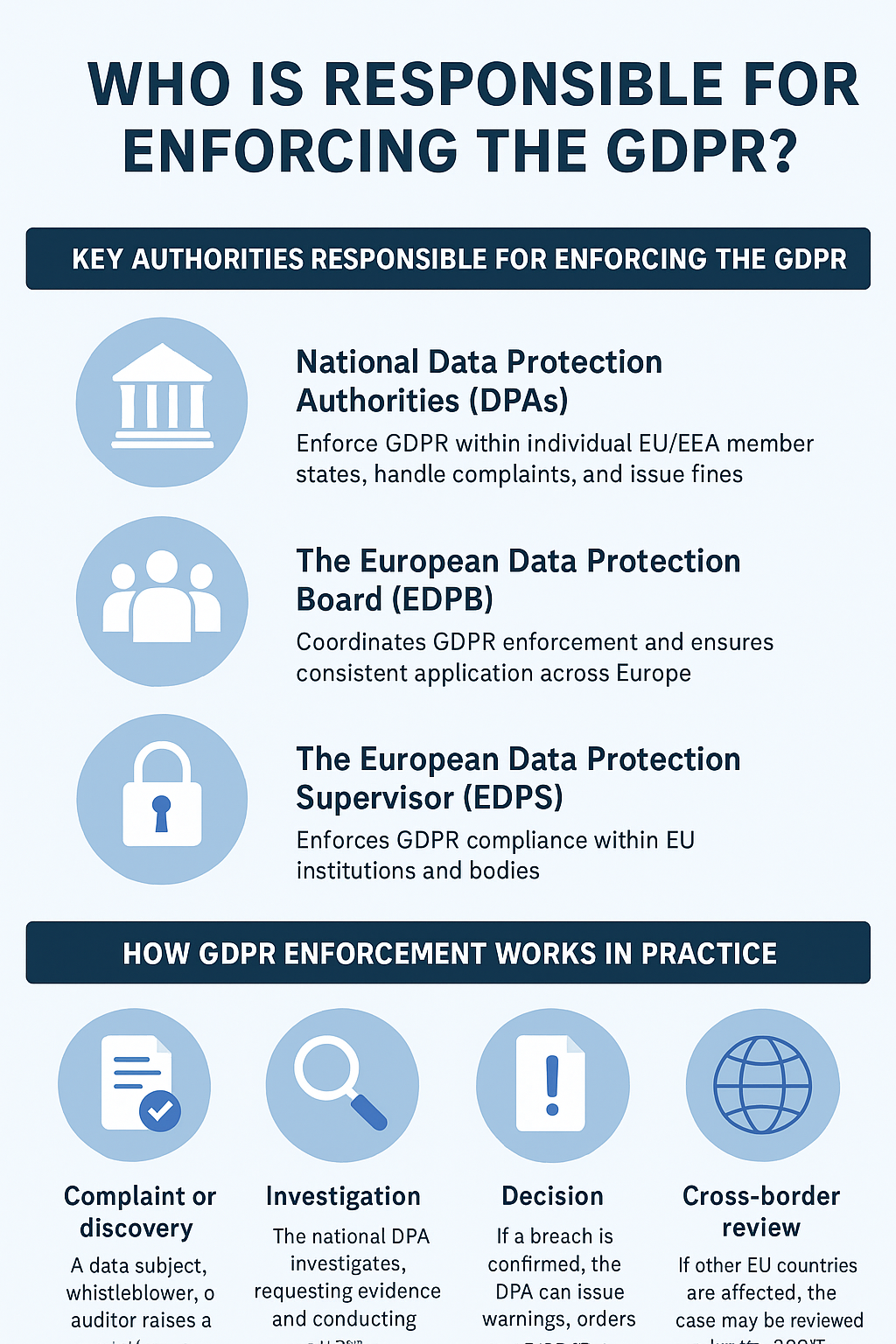
The Importance of EU Personal Data Protection
In the European Union (EU), personal data protection is a fundamental right enshrined in the General Data Protection Regulation (GDPR). This regulation sets out strict rules and guidelines to ensure that individuals have control over their personal information and that businesses handle data responsibly.
One of the key principles of GDPR is transparency. It requires organisations to clearly inform individuals about how their data is being used, processed, and stored. This transparency builds trust between businesses and consumers, fostering a more secure digital environment.
Another crucial aspect of EU personal data protection is the concept of data minimisation. This principle states that organisations should only collect and retain the minimum amount of personal data necessary for a specific purpose. By limiting unnecessary data collection, GDPR reduces the risk of potential misuse or breaches.
Furthermore, GDPR empowers individuals with rights such as the right to access their data, the right to rectify inaccuracies, and the right to erasure (commonly known as the “right to be forgotten”). These rights give individuals greater control over their personal information and enable them to hold organisations accountable for how their data is handled.
Non-compliance with GDPR can result in significant fines, demonstrating the EU’s commitment to enforcing strong data protection measures. By prioritising personal data protection, the EU aims to create a safer online environment for its citizens while promoting trust and innovation in the digital economy.
Understanding EU Personal Data Protection: Key FAQs on GDPR Compliance and Individual Rights
- What is the General Data Protection Regulation (GDPR) and how does it impact individuals?
- What rights do individuals have under the GDPR regarding their personal data?
- How can businesses ensure compliance with EU personal data protection laws?
- What are the consequences of non-compliance with GDPR for businesses?
- How does GDPR affect cross-border data transfers within the EU and to other countries?
- Are there specific requirements for obtaining consent to process personal data under GDPR?
- How does GDPR address the issue of data breaches and what are the reporting obligations for businesses?
- What role do Data Protection Officers (DPOs) play in ensuring compliance with EU personal data protection regulations?
What is the General Data Protection Regulation (GDPR) and how does it impact individuals?
The General Data Protection Regulation (GDPR) is a comprehensive data protection law in the European Union that sets out rules for how personal data should be handled by businesses and organisations. GDPR aims to give individuals greater control over their personal information and enhance their privacy rights. It impacts individuals by empowering them with rights such as the right to access their data, the right to request corrections or deletions of inaccurate information, and the right to know how their data is being used. GDPR also requires organisations to obtain explicit consent before collecting personal data, ensure secure handling of data, and notify individuals in case of data breaches. Overall, GDPR places a strong emphasis on transparency, accountability, and individual rights in the digital age.
What rights do individuals have under the GDPR regarding their personal data?
Under the General Data Protection Regulation (GDPR), individuals have several rights concerning their personal data. These rights include the right to access their data held by organisations, the right to request corrections to inaccurate information, and the right to have their data erased under certain circumstances (commonly known as the “right to be forgotten”). Additionally, individuals have the right to restrict or object to the processing of their personal data and the right to data portability, allowing them to receive and transfer their data between different service providers. These rights empower individuals to have greater control over how their personal information is handled and ensure that organisations comply with GDPR regulations regarding data protection and privacy.
How can businesses ensure compliance with EU personal data protection laws?
Businesses can ensure compliance with EU personal data protection laws by implementing robust data protection policies and practices. This includes conducting regular audits to assess data processing activities, obtaining explicit consent from individuals before collecting their data, and ensuring that personal information is securely stored and processed. Businesses should appoint a Data Protection Officer (DPO) to oversee compliance efforts, provide staff training on data protection best practices, and maintain detailed records of data processing activities. By prioritising transparency, accountability, and proactive measures to protect individuals’ personal data, businesses can navigate the complexities of EU regulations and build trust with their customers.
What are the consequences of non-compliance with GDPR for businesses?
Non-compliance with the General Data Protection Regulation (GDPR) can have severe consequences for businesses operating within the European Union. Failure to adhere to GDPR regulations may result in hefty fines, which can amount to up to €20 million or 4% of the company’s global annual turnover, whichever is higher. In addition to financial penalties, businesses risk damage to their reputation and trust among customers due to data breaches or misuse of personal information. Non-compliance with GDPR can lead to legal proceedings, investigations, and potential sanctions that can significantly impact the sustainability and credibility of a business in the digital age. It is imperative for organisations to prioritise GDPR compliance to avoid these detrimental outcomes and uphold data protection standards.
How does GDPR affect cross-border data transfers within the EU and to other countries?
Under the General Data Protection Regulation (GDPR), cross-border data transfers within the EU and to other countries are subject to stringent rules to ensure the protection of personal data. GDPR permits the free flow of data within the EU member states, as they are considered to have equivalent levels of data protection. However, when transferring data outside the EU, organisations must adhere to specific requirements, such as implementing appropriate safeguards like Standard Contractual Clauses (SCCs) or Binding Corporate Rules (BCRs) to ensure that the data remains protected in accordance with GDPR standards. These measures aim to uphold individuals’ rights and maintain a high level of data security across borders, reinforcing GDPR’s commitment to safeguarding personal information in an increasingly globalised digital landscape.
Are there specific requirements for obtaining consent to process personal data under GDPR?
Under the General Data Protection Regulation (GDPR) in the EU, obtaining consent to process personal data is subject to specific requirements to ensure compliance with data protection standards. Consent must be freely given, specific, informed, and unambiguous. Individuals must be provided with clear information about the purposes of data processing, any third parties involved, and their rights regarding their personal data. Consent should be obtained through a positive opt-in mechanism, where individuals actively agree to their data being processed. Moreover, organisations must make it easy for individuals to withdraw their consent at any time. By adhering to these stringent requirements for obtaining consent under GDPR, businesses can demonstrate their commitment to respecting individuals’ privacy rights and upholding data protection principles.
How does GDPR address the issue of data breaches and what are the reporting obligations for businesses?
Under the General Data Protection Regulation (GDPR), data breaches are a critical concern addressed through strict guidelines and reporting obligations for businesses. GDPR mandates that businesses must promptly report any data breaches to the relevant supervisory authority within 72 hours of becoming aware of the breach, unless the breach is unlikely to result in a risk to individuals’ rights and freedoms. Additionally, if the breach is likely to result in a high risk to individuals’ rights and freedoms, businesses are required to notify the affected individuals without undue delay. These reporting obligations aim to enhance transparency and accountability in data handling practices, ensuring that individuals are informed about breaches that may impact their personal data security.
What role do Data Protection Officers (DPOs) play in ensuring compliance with EU personal data protection regulations?
Data Protection Officers (DPOs) play a crucial role in ensuring compliance with EU personal data protection regulations. As designated individuals within organisations, DPOs are responsible for overseeing data protection strategies, monitoring compliance with the General Data Protection Regulation (GDPR), and acting as a point of contact for data subjects and supervisory authorities. DPOs provide expert guidance on data protection matters, conduct risk assessments, and help implement privacy policies and procedures to safeguard personal data. By actively engaging in data protection initiatives and promoting a culture of compliance within their organisations, DPOs play a pivotal role in upholding the principles of EU personal data protection regulations.