
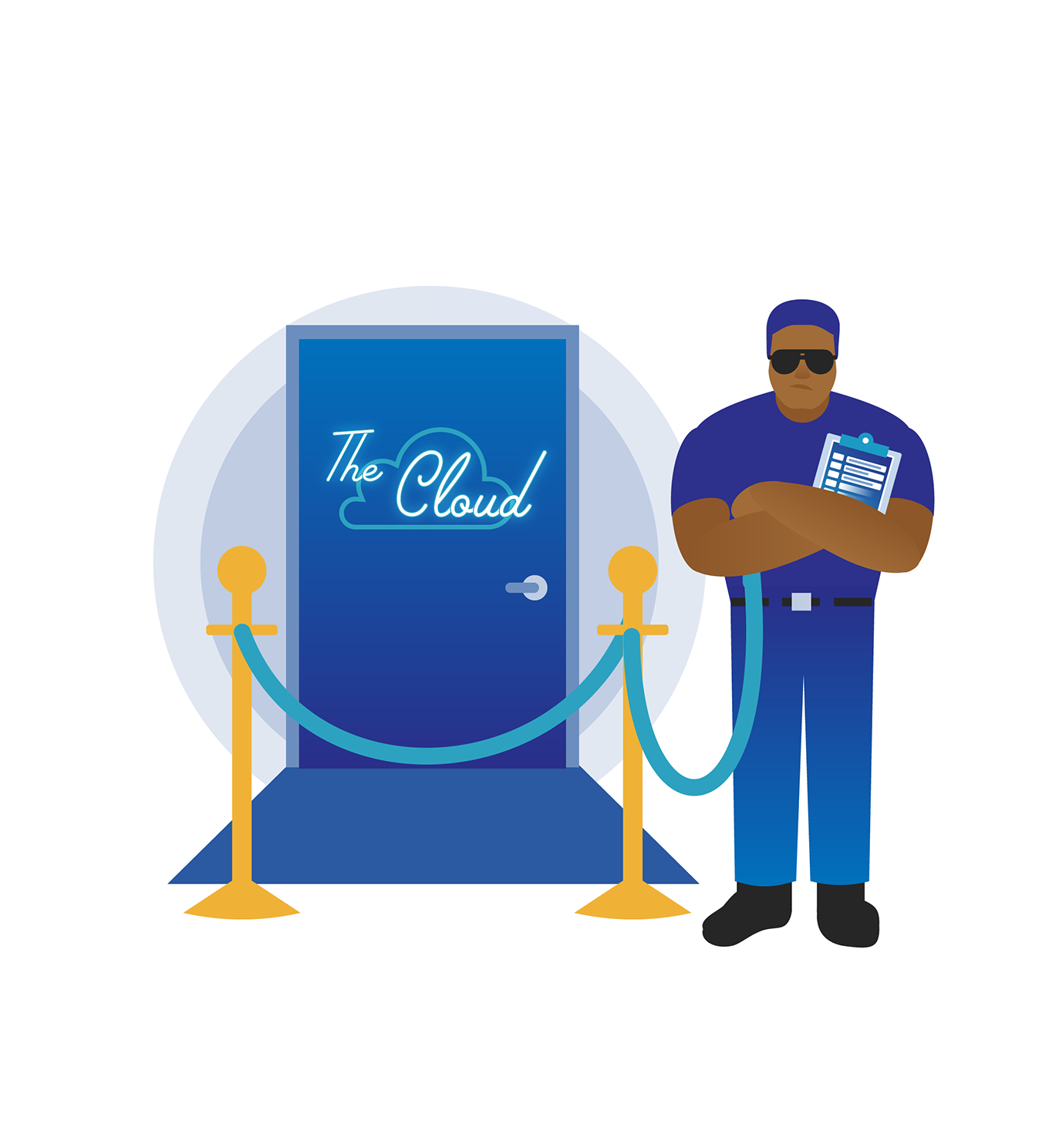
Access Management in the Cloud
Cloud computing has revolutionised the way businesses operate by providing scalable and flexible solutions for storing and processing data. However, with this convenience comes the challenge of ensuring secure access to cloud resources.
Access management in the cloud refers to the processes and tools used to control and monitor who can access what resources within a cloud environment. It is crucial for maintaining data security, compliance with regulations, and protecting sensitive information from unauthorised access.
One of the key components of effective access management in the cloud is identity and access management (IAM). IAM systems allow administrators to define user roles, assign permissions, and monitor user activities within the cloud infrastructure. By implementing IAM best practices, organisations can minimise the risk of data breaches and insider threats.
Another important aspect of access management in the cloud is multi-factor authentication (MFA). MFA adds an extra layer of security by requiring users to provide multiple forms of verification before accessing cloud resources. This helps prevent unauthorised access even if login credentials are compromised.
Regularly reviewing and updating access controls is essential for maintaining a secure cloud environment. Organisations should regularly audit user permissions, remove unnecessary privileges, and revoke access for employees who no longer require it. This proactive approach reduces the risk of data leaks and ensures that only authorised users can access sensitive information.
In conclusion, access management in the cloud plays a critical role in ensuring data security and compliance in today’s digital landscape. By implementing robust IAM systems, leveraging MFA solutions, and regularly reviewing access controls, organisations can mitigate risks associated with cloud computing and safeguard their valuable assets.
Essential FAQs on Cloud Access Management: Understanding, Importance, and Best Practices
- What is access management in the cloud?
- Why is access management important in a cloud environment?
- How does identity and access management (IAM) work in the cloud?
- What are the benefits of implementing multi-factor authentication (MFA) for cloud access?
- How can organisations ensure compliance with regulations regarding access management in the cloud?
- What are some best practices for maintaining secure access controls in a cloud environment?
What is access management in the cloud?
Access management in the cloud refers to the set of processes and tools designed to regulate and monitor user access to resources within a cloud computing environment. It encompasses the control of permissions, privileges, and roles assigned to users, ensuring that only authorised individuals can interact with specific data and applications stored in the cloud. By implementing access management protocols, organisations can enhance security measures, enforce compliance with data protection regulations, and protect sensitive information from unauthorised access or misuse in the digital realm.
Why is access management important in a cloud environment?
Access management is crucial in a cloud environment due to the dynamic and distributed nature of cloud computing. With data and applications stored across multiple servers and accessed from various locations, effective access management ensures that only authorised users can interact with sensitive information. By implementing robust access controls, organisations can prevent unauthorised access, reduce the risk of data breaches, comply with regulatory requirements, and protect valuable assets stored in the cloud. Access management in the cloud not only enhances security but also promotes accountability, transparency, and overall trust in the digital ecosystem.
How does identity and access management (IAM) work in the cloud?
Identity and access management (IAM) in the cloud operates by providing a centralised system for managing user identities, defining roles, and controlling access to cloud resources. IAM works by authenticating users’ identities through various methods such as passwords, biometrics, or multi-factor authentication. Once a user is authenticated, IAM assigns specific permissions and access rights based on predefined roles or policies. This granular control allows organisations to ensure that only authorised users can access sensitive data and applications within the cloud environment, enhancing security and compliance efforts. Additionally, IAM systems enable administrators to monitor user activities, track changes in permissions, and quickly revoke access when necessary to maintain a secure cloud infrastructure.
What are the benefits of implementing multi-factor authentication (MFA) for cloud access?
Implementing multi-factor authentication (MFA) for cloud access offers a multitude of benefits in enhancing security measures. By requiring users to provide additional forms of verification beyond just a password, MFA significantly reduces the risk of unauthorised access to cloud resources. This added layer of security helps protect sensitive data from cyber threats, such as phishing attacks and credential theft. MFA also enhances user authentication processes by ensuring that only legitimate users with verified identities can access cloud services, thereby strengthening overall data protection efforts in the cloud environment.
How can organisations ensure compliance with regulations regarding access management in the cloud?
Organisations can ensure compliance with regulations regarding access management in the cloud by implementing strict policies and procedures that align with industry standards and legal requirements. This includes conducting regular audits to monitor access controls, defining clear roles and responsibilities for managing access privileges, and enforcing strong authentication mechanisms such as multi-factor authentication. Additionally, organisations should stay informed about relevant data protection laws and regulations, such as GDPR or HIPAA, and ensure that their access management practices adhere to these guidelines. By proactively addressing compliance issues and continuously improving their access management processes, organisations can mitigate risks and maintain a secure cloud environment while meeting regulatory obligations.
What are some best practices for maintaining secure access controls in a cloud environment?
When it comes to maintaining secure access controls in a cloud environment, there are several best practices that organisations should follow to enhance data security and protect sensitive information. Implementing strong identity and access management (IAM) policies is crucial, as it allows for the precise definition of user roles and permissions within the cloud infrastructure. Utilising multi-factor authentication (MFA) adds an extra layer of security by requiring additional verification steps beyond just a password. Regularly auditing and updating access controls to remove unnecessary privileges and revoke access for former employees are also essential steps to ensure that only authorised users have access to cloud resources. By adhering to these best practices, organisations can bolster their security posture and minimise the risk of data breaches in the cloud environment.