
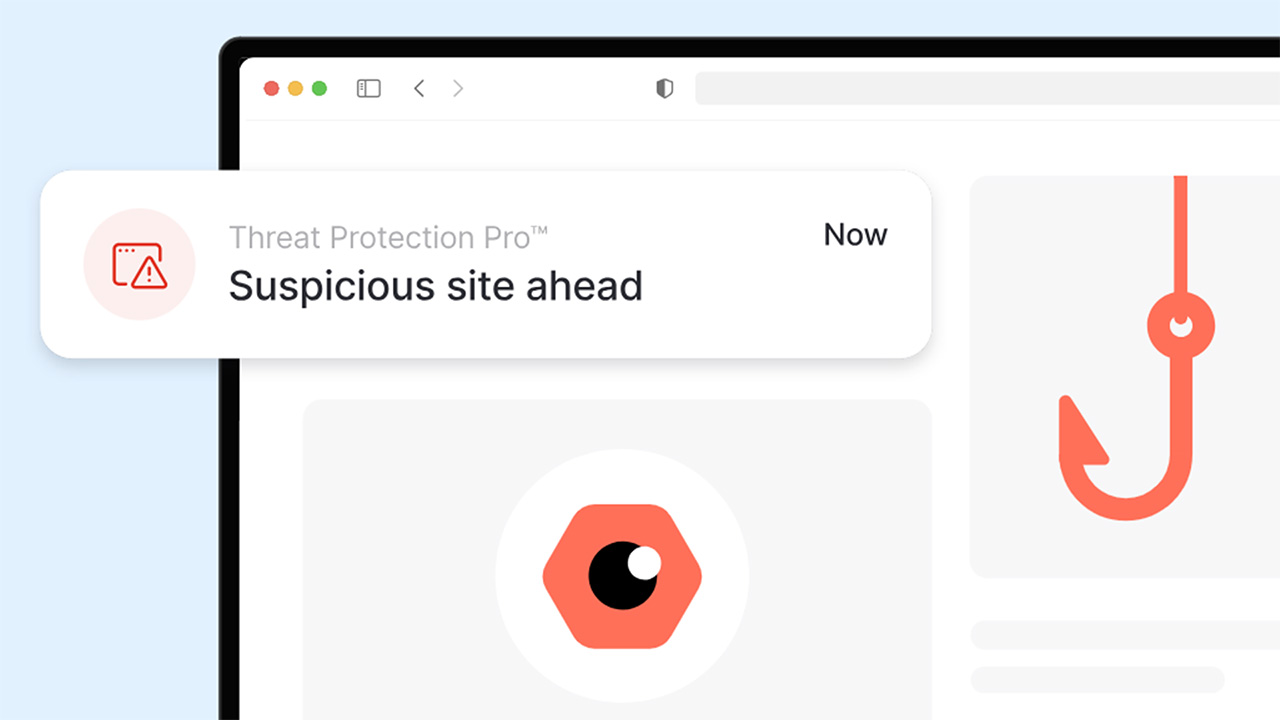
Protect Yourself from Phishing Attacks
Phishing attacks have become increasingly sophisticated in recent years, posing a significant threat to individuals and organisations alike. It is crucial to take proactive measures to protect yourself from falling victim to these deceptive tactics.
What is Phishing?
Phishing is a type of cyber attack where fraudsters use deceptive emails, websites, or messages to trick individuals into providing sensitive information such as passwords, credit card details, or personal data. These attacks often appear legitimate and can be difficult to spot.
How to Protect Yourself:
- Be Vigilant: Always scrutinise emails and messages for any signs of phishing attempts, such as suspicious links or requests for sensitive information.
- Verify the Source: Before clicking on any links or providing information, verify the sender’s email address or contact the organisation directly through official channels.
- Use Anti-Phishing Software: Invest in reputable anti-phishing software that can detect and block phishing attempts before they cause harm.
- Enable Multi-Factor Authentication: Adding an extra layer of security through multi-factor authentication can help prevent unauthorised access even if your credentials are compromised.
- Educate Yourself: Stay informed about the latest phishing techniques and educate yourself on how to recognise and avoid falling for them.
The Importance of Anti-Phishing Protection
Anti-phishing protection plays a crucial role in safeguarding your personal and financial information from malicious actors. By implementing robust security measures and staying vigilant, you can reduce the risk of becoming a victim of phishing attacks.
Remember, when it comes to protecting yourself online, prevention is key. Take proactive steps to secure your digital presence and stay one step ahead of cyber criminals.
Top 5 Benefits of Anti-Phishing Protection: Safeguarding Your Information and Peace of Mind
- Protects sensitive information from falling into the wrong hands
- Reduces the risk of identity theft and financial fraud
- Helps prevent unauthorized access to personal accounts
- Increases awareness of common phishing tactics and how to spot them
- Provides peace of mind knowing that your online activities are secure
Challenges of Anti-Phishing Protection: Limitations and Considerations
- May not catch all sophisticated phishing attempts
- Some anti-phishing software can be resource-intensive and slow down system performance
- Users may become over-reliant on technology and overlook common phishing red flags
- Cost of premium anti-phishing solutions can be prohibitive for individuals or small businesses
- False positives can lead to legitimate emails or websites being flagged as potential threats
Protects sensitive information from falling into the wrong hands
Anti-phishing protection serves as a vital shield against the risk of sensitive information falling into the wrong hands. By actively identifying and thwarting phishing attempts, this security measure ensures that personal data, financial details, and other confidential information remain safeguarded from malicious actors seeking to exploit vulnerabilities. Through the deployment of anti-phishing solutions, individuals and organisations can fortify their defences and uphold the integrity of their valuable data assets, thereby mitigating the potential repercussions of data breaches and identity theft.
Reduces the risk of identity theft and financial fraud
By implementing effective anti-phishing protection measures, individuals and organisations can significantly reduce the risk of falling victim to identity theft and financial fraud. These security solutions help safeguard sensitive information from falling into the hands of cybercriminals who seek to exploit it for fraudulent purposes. By detecting and blocking phishing attempts, anti-phishing protection acts as a crucial barrier against malicious actors looking to steal personal data and financial details, ultimately providing peace of mind and enhancing overall cybersecurity resilience.
Helps prevent unauthorized access to personal accounts
Anti-phishing protection serves as a vital shield against unauthorised access to personal accounts, safeguarding sensitive information from falling into the wrong hands. By detecting and thwarting phishing attempts, this security measure acts as a formidable barrier, ensuring that individuals can maintain control over their online identities and financial data. The proactive nature of anti-phishing protection not only enhances digital security but also instils a sense of confidence and peace of mind in users, knowing that their personal accounts are fortified against potential breaches.
Increases awareness of common phishing tactics and how to spot them
Anti-phishing protection serves as a valuable tool in enhancing awareness of common phishing tactics and empowering individuals to recognise and thwart potential threats. By educating users on the tell-tale signs of phishing attempts, such as suspicious links and requests for sensitive information, this proactive approach equips them with the knowledge needed to identify and avoid falling victim to deceptive schemes. Increasing awareness of these tactics not only strengthens individual defences against cyber attacks but also contributes to creating a more vigilant and cyber-resilient online community.
Provides peace of mind knowing that your online activities are secure
By utilising anti-phishing protection, individuals can experience a sense of peace of mind knowing that their online activities are secure from malicious attempts to steal sensitive information. This proactive security measure instils confidence in users, allowing them to browse the internet, engage in online transactions, and communicate electronically without the constant fear of falling victim to deceptive phishing attacks. Ultimately, having robust anti-phishing protection in place offers reassurance and empowers individuals to navigate the digital landscape with greater trust and security.
May not catch all sophisticated phishing attempts
One significant drawback of anti-phishing protection is that it may not always catch all sophisticated phishing attempts. Cybercriminals are constantly evolving their tactics to bypass security measures, making it challenging for traditional anti-phishing software to detect every deceptive technique. As a result, there is a risk that some highly sophisticated phishing attacks may go unnoticed by standard protection tools, leaving individuals and organisations vulnerable to potential data breaches and financial loss. It is essential for users to remain vigilant and employ a multi-layered approach to cybersecurity to mitigate the limitations of anti-phishing protection.
Some anti-phishing software can be resource-intensive and slow down system performance
One significant drawback of certain anti-phishing software is their tendency to be resource-intensive, potentially leading to a slowdown in system performance. While these security tools aim to protect users from phishing attacks, the trade-off of decreased speed and efficiency can be frustrating for individuals and organisations seeking a seamless online experience. It is essential for users to strike a balance between robust protection and system performance when selecting anti-phishing solutions, ensuring that the chosen software effectively safeguards against threats without compromising the overall functionality of their devices.
Users may become over-reliant on technology and overlook common phishing red flags
Users may inadvertently develop a sense of over-reliance on anti-phishing technology, leading them to potentially overlook common phishing red flags. While anti-phishing software provides valuable protection against malicious attacks, users must remain vigilant and actively engage in practising safe online habits. Relying solely on technology to detect phishing attempts can create a false sense of security, making individuals more susceptible to sophisticated social engineering tactics that may evade automated detection. It is essential for users to complement the use of anti-phishing tools with ongoing education and awareness of typical phishing indicators to enhance their overall cybersecurity posture.
Cost of premium anti-phishing solutions can be prohibitive for individuals or small businesses
The cost of premium anti-phishing solutions can present a significant con for individuals or small businesses looking to enhance their cybersecurity measures. While these advanced security tools offer robust protection against phishing attacks, the price tag associated with them may be prohibitive for those operating on limited budgets. This financial barrier could potentially leave individuals and small businesses vulnerable to sophisticated phishing tactics, highlighting the need for more accessible and affordable anti-phishing solutions in the market.
False positives can lead to legitimate emails or websites being flagged as potential threats
One drawback of anti-phishing protection is the potential for false positives, where legitimate emails or websites are incorrectly identified as potential threats. This can result in inconvenience for users who may miss important communications or be unable to access trusted websites due to overzealous filtering. Balancing effective threat detection with minimising false positives is a challenge that anti-phishing solutions must address to ensure a seamless user experience without compromising security.