
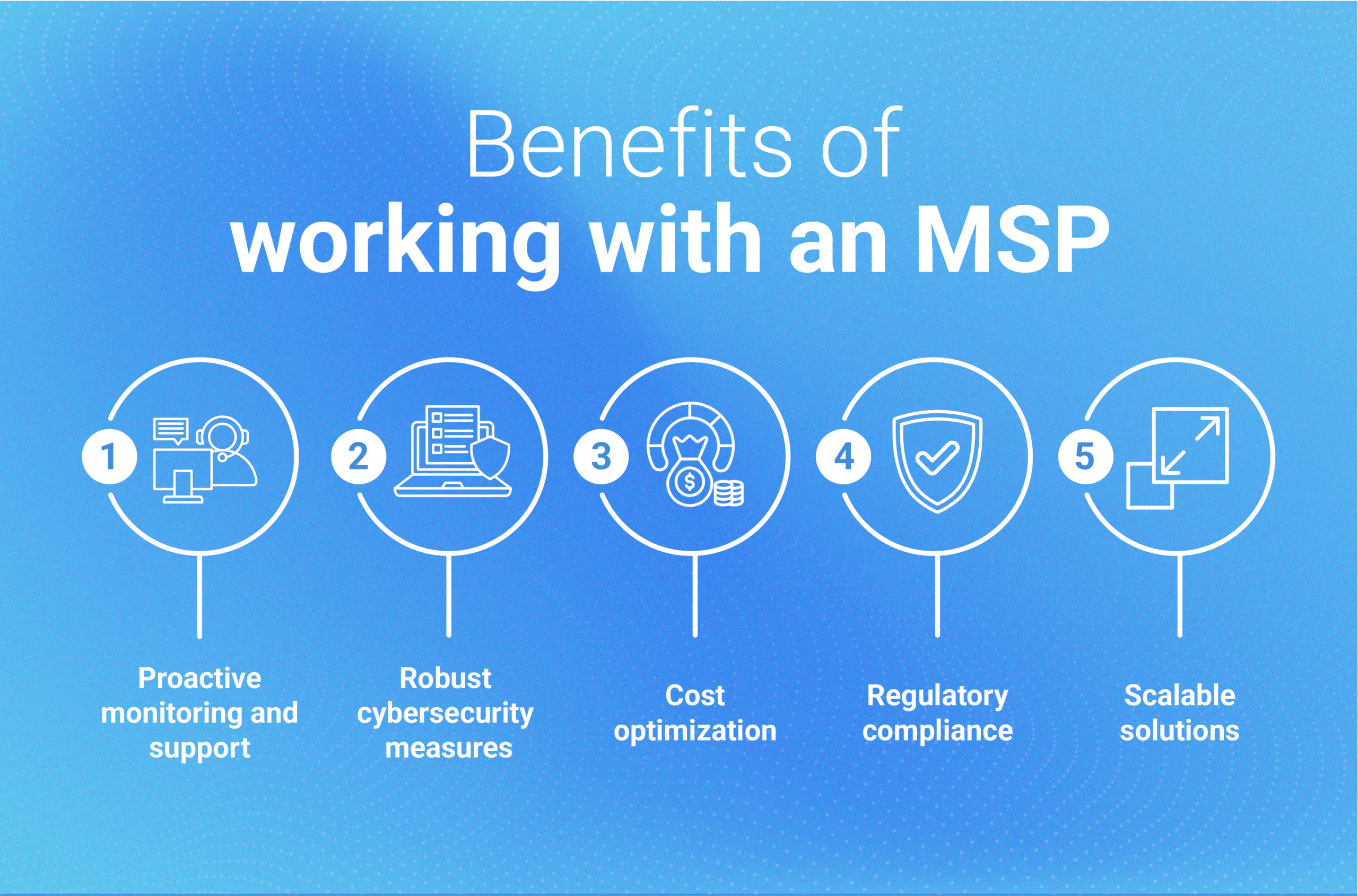
The Benefits of Managed Security Services
Cybersecurity is an ongoing responsibility. Organisations must protect their systems, data and people from threats that continue to change, while also keeping day-to-day operations running smoothly. For many businesses, managed security services offer a practical way to strengthen protection and access specialist support without building a large in-house security team.
Managed security services are provided by an external specialist, often called a managed security service provider (MSSP). Depending on the agreement, services may include monitoring networks and devices, detecting suspicious activity, managing security tools, investigating alerts and supporting incident response.
Access to specialist expertise
Security teams need a broad range of skills, from understanding networks and cloud platforms to investigating incidents and managing security controls. Recruiting and retaining people with this expertise can be difficult, particularly for smaller organisations.
An MSSP can provide access to security specialists and established processes. This can help a business address gaps in its internal capabilities and benefit from experience gained across different environments. It is important to check which expertise is included in the service and how it applies to your organisation’s systems and risks.
Continuous monitoring
Threats do not follow office hours. Depending on the service, an MSSP can monitor systems around the clock and alert your organisation to activity that may need attention. Earlier detection can give a business more time to investigate and respond before an incident causes greater disruption.
Monitoring is only one part of effective security, however. Businesses should understand how alerts are prioritised, who investigates them and what action the provider is authorised to take.
Faster incident response
When a security incident occurs, a prompt and organised response can help limit its impact. A managed security provider may help identify the affected systems, investigate what happened, contain suspicious activity and support recovery.
Clear responsibilities are essential. Before a service begins, agree how incidents will be escalated, who makes decisions and how the provider will work with your internal staff, IT partners and leadership team.
More predictable costs
Building an in-house security operation can involve significant costs, including recruitment, training, security software and infrastructure. Managed services are often supplied through an agreed fee, which can make some security costs easier to plan.
Costs and inclusions vary. Review the contract carefully to understand service hours, response targets, data storage, additional charges and what happens if your requirements change.
Support for compliance and risk management
Managed security services can help organisations maintain security controls, collect useful monitoring information and prepare for audits or assessments. Some providers also offer guidance on security policies, vulnerability management and industry requirements.
An external provider cannot take over an organisation’s legal or regulatory responsibilities. The business remains accountable for understanding the rules that apply to it and for checking that the service supports its obligations.
Scalability as your organisation changes
Businesses may need different levels of security as they grow, adopt cloud services, open new locations or change the way staff work. A managed service can sometimes be adjusted to cover additional users, systems or locations without requiring the organisation to build every capability itself.
When assessing a provider, ask how changes are handled and whether the service can support your planned technology and business needs.
More time for core operations
Outsourcing selected security activities can reduce the amount of routine monitoring and tool management handled by internal staff. This may allow your IT team to focus more on business systems and improvement projects, while still working closely with the security provider.
Outsourcing does not remove the need for internal ownership. Staff should know how to report concerns, and managers should remain involved in decisions about risk, access and incident response.
How to choose a managed security provider
The benefits depend on choosing a service that fits your organisation. Before signing an agreement, consider:
- Which systems, users and locations are covered
- Whether monitoring is available outside normal business hours
- How alerts are investigated and escalated
- What response times and service levels are promised
- How your data is handled, stored and protected
- How the provider works with your existing IT team and suppliers
- What is excluded from the service and what may incur extra costs
- How performance is reported and reviewed
- How the service will be tested, updated and ended if necessary
A practical part of a wider security strategy
Managed security services can provide specialist support, ongoing monitoring and assistance with incident response. They can be particularly valuable for organisations that lack the resources to maintain every security capability in-house.
The strongest results come when an external provider is part of a wider security plan. Regular updates, secure access controls, staff awareness, reliable backups and clear incident procedures all remain important. By setting clear expectations and working collaboratively, an organisation can use managed security services to improve its resilience and make better-informed security decisions.
The Benefits of Managed Security Services: 8 Frequently Asked Questions
- What are managed security services?
- What are the main benefits of managed security services?
- How can managed security services help protect a business from cyber threats?
- Can managed security services reduce cybersecurity costs?
- Do managed security services provide 24/7 monitoring?
- How can managed security services support compliance?
- Are managed security services suitable for small businesses?
- What should a business look for when choosing a managed security service provider?
What are managed security services?
Managed security services are cybersecurity services provided by an external specialist, known as a managed security service provider (MSSP). Depending on the agreement, they may include monitoring networks and devices, detecting and investigating suspicious activity, managing security tools and helping respond to incidents. They give organisations access to specialist support without needing to build every security capability in-house, while responsibility for the organisation’s overall security remains with the business.
What are the main benefits of managed security services?
The main benefits of managed security services include access to specialist expertise, continuous monitoring and support with detecting and responding to potential threats. They can also help organisations manage security costs, strengthen their protection as their needs change and free internal teams to focus on other priorities. The exact benefits depend on the services included, so it is important to choose a provider that understands your organisation’s risks and works well with your existing team.
How can managed security services help protect a business from cyber threats?
Managed security services help protect a business by providing ongoing monitoring of its systems, identifying suspicious activity and helping investigate and respond to potential incidents. Depending on the service, a specialist provider may also manage security tools, check for vulnerabilities and offer guidance on reducing risk. This gives businesses access to security expertise they may not have in-house, while helping them respond more quickly to emerging threats. The level of protection depends on the service agreement, so it is important to clarify what systems are covered, when monitoring takes place and how incidents are escalated.
Can managed security services reduce cybersecurity costs?
Yes, managed security services can help reduce cybersecurity costs by giving your organisation access to specialist expertise, monitoring and security tools for an agreed fee, rather than requiring you to build and maintain every capability in-house. They may also help limit the cost of incidents through earlier detection and a more organised response. Savings are not guaranteed, so compare what each provider includes, check for additional charges and make sure the service is suited to your organisation’s risks and requirements.
Do managed security services provide 24/7 monitoring?
Many managed security services offer 24/7 monitoring, helping to detect suspicious activity outside normal business hours as well as during the working day. However, coverage varies between providers and service packages, so check whether round-the-clock monitoring is included, how alerts are investigated and escalated, and what response support is available if an incident occurs.
How can managed security services support compliance?
Managed security services can support compliance by helping organisations monitor systems, manage security controls, keep relevant records and prepare evidence for audits or assessments. A provider may also offer guidance on aligning security practices with applicable standards and regulations. However, using a managed service does not transfer legal responsibility: your organisation remains accountable for understanding its obligations and should confirm that the provider’s services, reporting and data-handling practices meet its specific requirements.
Are managed security services suitable for small businesses?
Yes, managed security services can be suitable for small businesses, particularly those without an in-house cybersecurity team. A provider can offer access to specialist expertise, ongoing monitoring and help responding to security incidents, often for a more predictable cost than building these capabilities internally. The right service depends on your business’s size, systems and risks, so check exactly what is included, how quickly support is available and whether the provider can scale its services as your business grows.
What should a business look for when choosing a managed security service provider?
When choosing a managed security service provider, a business should look for proven expertise, relevant experience and services that match its specific risks and requirements. Check what systems are covered, whether monitoring is available 24/7, how alerts and incidents are handled, and what response times are promised. It is also important to understand how the provider protects and uses your data, how it will work with your existing IT team, and what is excluded from the contract or may incur extra costs. Ask for clear service levels, regular performance reporting and references, and make sure responsibilities are agreed before the service begins.