
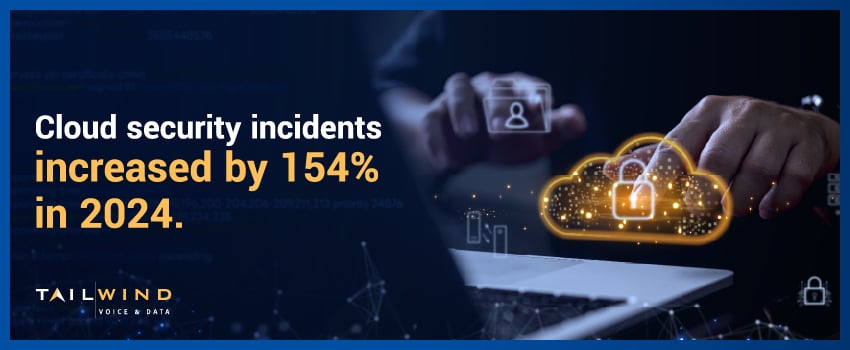
The Power of Cloud Managed Security
In today’s rapidly evolving digital landscape, businesses face increasingly sophisticated cyber threats that can compromise sensitive data and disrupt operations. To combat these challenges, many organisations are turning to cloud managed security solutions.
Cloud managed security offers a comprehensive approach to protecting data, applications, and infrastructure in the cloud. By leveraging cloud-based technologies and services, businesses can enhance their security posture while reducing the burden on internal IT teams.
Key Benefits of Cloud Managed Security:
- Scalability: Cloud managed security solutions can easily scale to meet the changing needs of your business, whether you are a small startup or a large enterprise.
- Cost-Effectiveness: By outsourcing security management to cloud providers, businesses can reduce capital expenditures on hardware and software while benefiting from predictable subscription-based pricing models.
- Centralised Management: Cloud managed security platforms provide a centralised dashboard for monitoring and managing security policies across multiple devices and locations.
- Rapid Deployment: With cloud managed security, updates and patches can be deployed quickly and seamlessly, ensuring that your systems are always protected against the latest threats.
- Enhanced Visibility: Cloud managed security solutions offer real-time visibility into network traffic and potential threats, enabling proactive threat detection and response.
- Compliance Assistance: Many cloud managed security providers offer tools and features to help businesses comply with industry regulations and data protection laws.
In conclusion, cloud managed security is a powerful ally in the fight against cyber threats. By harnessing the capabilities of the cloud, businesses can strengthen their defences, improve operational efficiency, and achieve peace of mind knowing that their digital assets are secure.
Six Essential Tips for Enhancing Cloud Managed Security
- Regularly update security policies and configurations in the cloud environment.
- Implement multi-factor authentication for an added layer of security.
- Utilise encryption to protect data both at rest and in transit within the cloud.
- Monitor network traffic and user activities for any suspicious behaviour or potential threats.
- Regularly conduct security audits and assessments to identify vulnerabilities in the cloud infrastructure.
- Ensure that all employees receive proper training on best practices for cloud security.
Regularly update security policies and configurations in the cloud environment.
In the realm of cloud managed security, a crucial tip is to consistently update security policies and configurations within the cloud environment. By regularly reviewing and refining these settings, businesses can adapt to emerging threats, enhance data protection measures, and ensure compliance with industry regulations. This proactive approach not only strengthens the overall security posture but also helps mitigate risks and vulnerabilities in the ever-evolving digital landscape.
Implement multi-factor authentication for an added layer of security.
Implementing multi-factor authentication is a crucial step in enhancing the security of your cloud managed systems. By requiring users to provide multiple forms of verification before accessing sensitive data or applications, you add an extra layer of protection against unauthorised access. This additional security measure significantly reduces the risk of data breaches and strengthens your overall security posture in the digital realm.
Utilise encryption to protect data both at rest and in transit within the cloud.
To enhance the security of your cloud environment, it is crucial to utilise encryption to safeguard data both at rest and in transit. By encrypting data stored in the cloud, you add an extra layer of protection that ensures sensitive information remains secure even if it is accessed by unauthorised parties. Encrypting data in transit further fortifies your defences by preventing interception and eavesdropping during transmission. Implementing robust encryption practices is a fundamental step towards maintaining the confidentiality and integrity of your data within the cloud environment.
Monitor network traffic and user activities for any suspicious behaviour or potential threats.
Monitoring network traffic and user activities for any suspicious behaviour or potential threats is a critical aspect of effective cloud managed security. By closely observing data flows and user interactions, businesses can quickly identify anomalies that may indicate a security breach or unauthorized access. Proactive monitoring allows for timely detection and response to potential threats, helping to safeguard sensitive information and maintain the integrity of the digital environment. This practice plays a key role in enhancing overall security posture and ensuring comprehensive protection against evolving cyber risks in the cloud.
Regularly conduct security audits and assessments to identify vulnerabilities in the cloud infrastructure.
Regularly conducting security audits and assessments is a crucial tip for maintaining robust cloud managed security. By proactively identifying vulnerabilities in the cloud infrastructure, businesses can address potential weaknesses before they are exploited by cyber threats. These audits provide valuable insights into the security posture of the environment, allowing organisations to implement necessary safeguards and ensure that their data and systems remain protected in the ever-evolving digital landscape.
Ensure that all employees receive proper training on best practices for cloud security.
To maximise the effectiveness of cloud managed security, it is crucial to ensure that all employees receive comprehensive training on best practices for cloud security. By educating staff members on how to recognise and respond to potential threats, as well as promoting secure data handling practices, businesses can significantly reduce the risk of security breaches and data loss. With proper training, employees become empowered to play an active role in maintaining a secure cloud environment, ultimately strengthening the overall security posture of the organisation.