
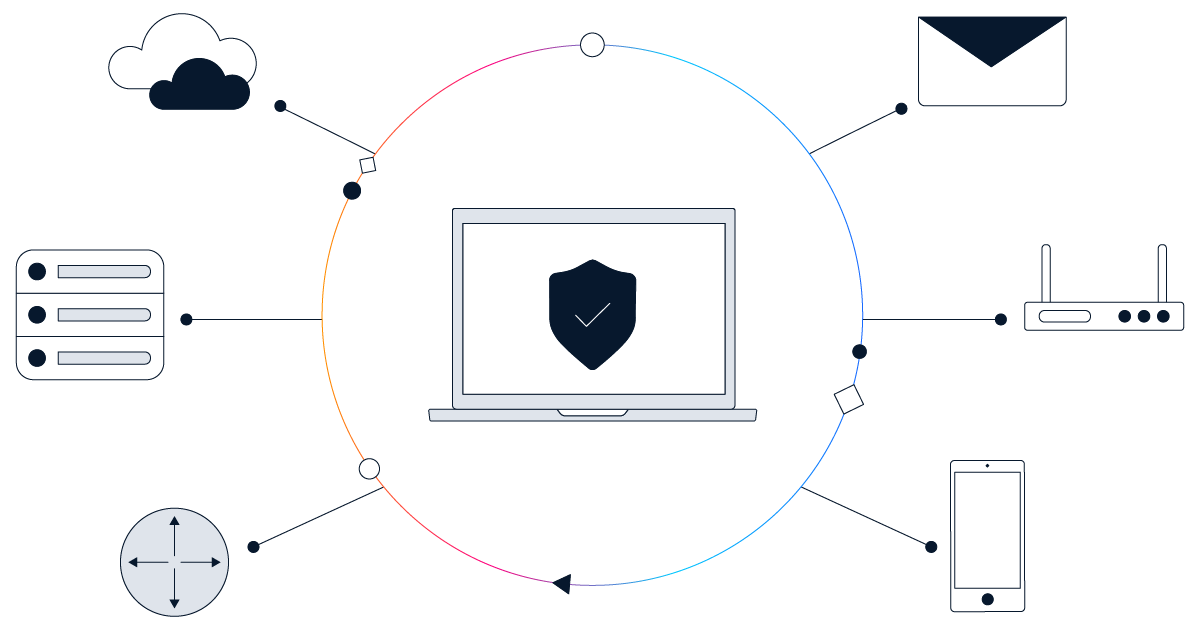
The Importance of Data and Network Security
In today’s digital age, data and network security have become paramount concerns for individuals, businesses, and organisations alike. With the increasing reliance on technology for communication, transactions, and storage of sensitive information, the need to safeguard data and networks from cyber threats has never been more critical.
Effective data security involves implementing measures to protect digital information from unauthorised access, use, disclosure, disruption, modification or destruction. This includes securing data at rest (stored data) and data in transit (data being transmitted over networks).
Network security focuses on protecting the integrity and usability of a network and the data within it. This involves implementing various security measures such as firewalls, intrusion detection systems, encryption protocols, and access controls to prevent unauthorised access or misuse of network resources.
One of the biggest threats to data and network security is cybercrime. Hackers and cybercriminals are constantly evolving their tactics to exploit vulnerabilities in systems and networks for financial gain or malicious intent. Data breaches can result in significant financial losses, reputational damage, legal liabilities, and loss of customer trust.
Organisations that fail to prioritise data and network security are at risk of falling victim to cyber attacks such as ransomware, phishing scams, malware infections, denial-of-service attacks, and insider threats. The consequences of a successful cyber attack can be devastating, leading to business disruption, financial losses, regulatory penalties, and even business closure.
To mitigate these risks, it is essential for individuals and organisations to invest in robust data protection strategies that include regular software updates, employee training on cybersecurity best practices, secure password management policies, encryption technologies, secure backup solutions, multi-factor authentication mechanisms,and proactive monitoring of network activity.
By prioritising data and network security measures,society can create a safer digital environment where sensitive information is protected from malicious actors. Ultimately,data security is not just a technological issue; it is a fundamental aspect of responsible digital citizenship that requires vigilance,collaboration,and continuous improvement.
Top 7 Essential Tips for Enhancing Data and Network Security
- Regularly update your software and operating systems to patch security vulnerabilities.
- Use strong, unique passwords for each of your accounts and enable two-factor authentication where possible.
- Be cautious when clicking on links or downloading attachments in emails, especially from unknown sources.
- Encrypt sensitive data both at rest and in transit to protect it from unauthorized access.
- Implement network segmentation to limit the spread of potential breaches across your network.
- Regularly back up your important data and store backups offline to prevent data loss from ransomware attacks.
- Educate yourself and your team about common cyber threats like phishing scams and social engineering tactics.
Regularly update your software and operating systems to patch security vulnerabilities.
It is crucial to regularly update your software and operating systems to patch security vulnerabilities. By keeping your software up-to-date, you ensure that any known security weaknesses are addressed promptly, reducing the risk of exploitation by cyber attackers. Updates often include patches that fix bugs and vulnerabilities that could be exploited to gain unauthorized access to your data or network. Making software updates a regular practice is a simple yet effective way to enhance the overall security posture of your digital environment.
Use strong, unique passwords for each of your accounts and enable two-factor authentication where possible.
To enhance data and network security, it is crucial to utilise strong, unique passwords for every account and enable two-factor authentication whenever feasible. By employing distinct passwords for each account, individuals can significantly reduce the risk of a single password compromise leading to multiple security breaches. Two-factor authentication adds an extra layer of protection by requiring users to verify their identity through a second method, such as a code sent to their mobile device, further fortifying the security of their accounts against unauthorised access. These simple yet effective measures play a vital role in safeguarding sensitive information and mitigating the potential impact of cyber threats.
Be cautious when clicking on links or downloading attachments in emails, especially from unknown sources.
It is crucial to exercise caution when interacting with emails by refraining from clicking on links or downloading attachments, particularly if the sender is unfamiliar. Cybercriminals often use email as a primary method to deliver malicious content, such as phishing links or malware-infected attachments, aiming to compromise data and network security. By practising vigilance and avoiding interactions with suspicious emails, individuals can significantly reduce the risk of falling victim to cyber threats and protect their digital assets from potential harm.
Encrypt sensitive data both at rest and in transit to protect it from unauthorized access.
To enhance data and network security, it is crucial to encrypt sensitive data both at rest and in transit. Encryption transforms data into a secure format that can only be accessed with the appropriate decryption key, making it unreadable to unauthorised users. By encrypting data at rest (when stored on devices or servers) and in transit (when being transmitted over networks), organisations can significantly reduce the risk of data breaches and safeguard sensitive information from potential cyber threats. This proactive measure ensures that even if data is intercepted, it remains protected and inaccessible to malicious actors, thereby strengthening overall security posture.
Implement network segmentation to limit the spread of potential breaches across your network.
Implementing network segmentation is a crucial tip for enhancing data and network security. By dividing your network into separate segments or zones, you can restrict the spread of potential breaches, limiting the impact of cyber attacks and unauthorized access. Network segmentation helps contain threats within specific areas, making it easier to monitor and control network traffic, as well as apply security measures tailored to each segment’s specific requirements. This proactive approach strengthens your overall security posture and reduces the risk of widespread damage in the event of a security incident.
Regularly back up your important data and store backups offline to prevent data loss from ransomware attacks.
Regularly backing up your important data and storing backups offline is a crucial tip to enhance data and network security. By maintaining up-to-date backups of your valuable information, you can mitigate the risks associated with ransomware attacks that seek to encrypt or block access to your data. Storing backups offline ensures that even if your network is compromised, your data remains safe and accessible for recovery purposes. This proactive measure acts as a safeguard against potential data loss, providing peace of mind in the face of evolving cyber threats.
Educate yourself and your team about common cyber threats like phishing scams and social engineering tactics.
It is crucial to educate yourself and your team about common cyber threats, such as phishing scams and social engineering tactics, to enhance data and network security. By understanding how these techniques work and the red flags to look out for, you can empower your team to recognise and avoid falling victim to malicious attacks. Training sessions, regular updates on emerging threats, and promoting a culture of vigilance can significantly strengthen your organisation’s defences against cyber threats.