
Data Protection Management: Safeguarding Your Digital Assets
In today’s interconnected world, where data is a valuable currency, the importance of effective data protection management cannot be overstated. Organisations of all sizes face increasing challenges in safeguarding their digital assets from cyber threats, regulatory compliance requirements, and internal vulnerabilities.
Effective data protection management involves implementing comprehensive strategies and practices to ensure the confidentiality, integrity, and availability of sensitive information. This encompasses not only securing data against unauthorised access but also managing its lifecycle, including collection, storage, processing, and disposal.
The Key Components of Data Protection Management
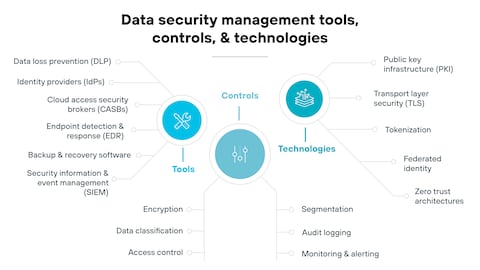
Risk Assessment: Conducting regular risk assessments to identify potential threats and vulnerabilities to data security is a fundamental aspect of data protection management. Understanding the risks enables organisations to implement appropriate controls and mitigation measures.
Data Encryption: Encrypting sensitive data both at rest and in transit is essential to prevent unauthorised access. Encryption technologies help protect information from being compromised if it falls into the wrong hands.
Access Control: Implementing robust access control mechanisms ensures that only authorised individuals can view or manipulate sensitive data. This includes user authentication, role-based access control, and monitoring user activities.
Data Backup and Recovery: Regularly backing up critical data and establishing reliable recovery procedures are vital components of data protection management. In the event of a security incident or data loss, organisations can restore their operations swiftly with minimal disruption.
The Importance of Compliance
Compliance with data protection regulations such as the General Data Protection Regulation (GDPR) is non-negotiable for organisations handling personal information. Failure to comply with these regulations can result in severe penalties and reputational damage.
Conclusion
Data protection management is a multifaceted discipline that requires a proactive approach to safeguarding valuable assets against evolving threats. By implementing robust strategies, leveraging advanced technologies, and prioritising compliance with regulations, organisations can enhance their resilience to cyber risks and build trust with their stakeholders.
Essential FAQs on Data Protection Management: Strategies, Compliance, and Security Measures
- What is data protection management and why is it important?
- How can organisations ensure compliance with data protection regulations?
- What are the key components of an effective data protection management strategy?
- What role does encryption play in safeguarding sensitive data?
- How can access control mechanisms enhance data security?
- Why is regular data backup and recovery essential for effective data protection management?
What is data protection management and why is it important?
Data protection management refers to the systematic process of implementing strategies and measures to safeguard sensitive data from unauthorised access, loss, or misuse. It involves assessing risks, establishing controls, and ensuring compliance with relevant regulations to protect valuable digital assets. Data protection management is crucial as it helps organisations maintain the confidentiality, integrity, and availability of their information, thereby building trust with customers, partners, and stakeholders. By prioritising data protection management, organisations can mitigate the risks of data breaches, regulatory non-compliance, and reputational damage while demonstrating their commitment to responsible data handling practices.
How can organisations ensure compliance with data protection regulations?
Organisations can ensure compliance with data protection regulations by implementing a comprehensive framework that encompasses key elements such as conducting regular audits to assess data handling practices, establishing clear policies and procedures for data protection, providing ongoing training to employees on data security best practices, appointing a Data Protection Officer to oversee compliance efforts, and maintaining transparent communication with stakeholders about data processing activities. By integrating these measures into their operations and culture, organisations can demonstrate a commitment to upholding data protection regulations and safeguarding the privacy rights of individuals.
What are the key components of an effective data protection management strategy?
When considering the key components of an effective data protection management strategy, several crucial elements come to the forefront. Firstly, conducting regular risk assessments to identify vulnerabilities and threats is essential in understanding the landscape of potential risks. Data encryption plays a pivotal role in safeguarding sensitive information, ensuring that it remains secure both at rest and in transit. Robust access control mechanisms, such as user authentication and role-based access, are vital in regulating who can access and manipulate data. Additionally, implementing reliable data backup and recovery procedures is critical for mitigating the impact of security incidents or data loss. By integrating these components into a comprehensive strategy, organisations can fortify their defences against cyber threats and uphold the integrity of their digital assets.
What role does encryption play in safeguarding sensitive data?
Encryption plays a crucial role in safeguarding sensitive data by converting the information into an unreadable format that can only be accessed with the appropriate decryption key. This process ensures that even if unauthorised individuals gain access to the data, they cannot decipher its contents without the encryption key. By implementing encryption techniques, organisations can protect sensitive information both at rest and in transit, mitigating the risk of data breaches and unauthorised access. Encryption is a cornerstone of data protection management, providing an additional layer of security to safeguard valuable assets against cyber threats.
How can access control mechanisms enhance data security?
Access control mechanisms play a crucial role in enhancing data security by ensuring that only authorised individuals have the appropriate level of access to sensitive information. By implementing robust access control measures, organisations can limit the risk of unauthorised data breaches and insider threats. User authentication processes, such as passwords, biometrics, or multi-factor authentication, help verify the identity of individuals accessing the data. Role-based access control assigns specific permissions based on job roles or responsibilities, preventing employees from accessing information beyond their scope. Monitoring user activities through audit logs and real-time alerts allows for timely detection of suspicious behaviour and potential security incidents. Overall, access control mechanisms provide a layered defence that strengthens data protection efforts and mitigates the risk of data exposure or misuse.
Why is regular data backup and recovery essential for effective data protection management?
Regular data backup and recovery are essential components of effective data protection management for several reasons. Firstly, data backup ensures that critical information is preserved and can be restored in the event of data loss due to cyberattacks, hardware failures, or human errors. By maintaining up-to-date backups, organisations can minimise downtime and mitigate the impact of disruptions on their operations. Additionally, data recovery processes enable swift restoration of systems and services, helping businesses resume normal activities with minimal disruption. Regular backups also contribute to compliance with regulatory requirements by ensuring the availability and integrity of data, thereby enhancing overall data security and resilience against unforeseen incidents.