
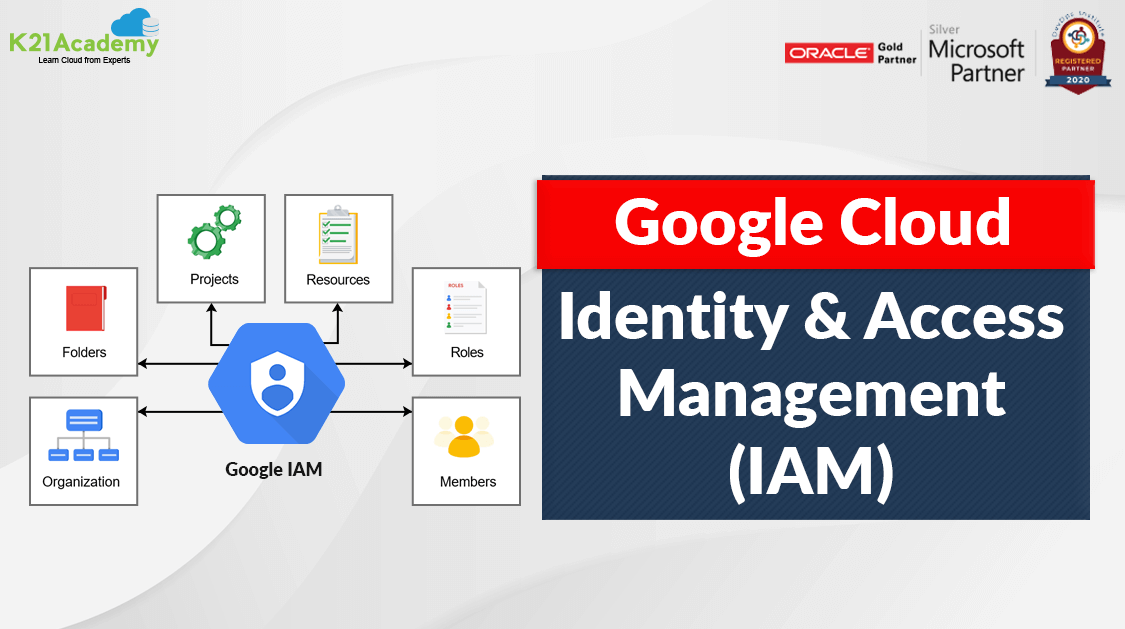
The Importance of Identity Management on the Cloud
In today’s digital age, businesses are increasingly migrating their operations to the cloud for enhanced flexibility, scalability, and cost-efficiency. However, with this transition comes the critical need for robust identity management solutions to ensure the security and integrity of sensitive data.
Identity management on the cloud refers to the processes and technologies that enable organisations to authenticate, authorise, and manage user access to cloud-based resources securely. It involves verifying the identities of users, controlling their access privileges, and monitoring their activities to prevent unauthorised access or data breaches.
Key Benefits of Identity Management on the Cloud:
- Enhanced Security: By implementing strong authentication mechanisms such as multi-factor authentication and role-based access control, organisations can mitigate security risks and prevent unauthorised access to confidential information.
- Improved Compliance: Identity management solutions help businesses adhere to regulatory requirements by maintaining audit trails of user activities and ensuring that data access is granted based on predefined policies.
- Increased Productivity: Streamlining user authentication processes and providing seamless access to cloud resources can enhance employee productivity and collaboration while reducing administrative overhead.
- Scalability: Cloud-based identity management solutions offer scalability to accommodate growing user bases and evolving business needs without compromising security or performance.
Best Practices for Implementing Identity Management on the Cloud:
- Centralised Identity Repository: Establish a centralised identity store that consolidates user information and access controls across all cloud services for easier management and enforcement of security policies.
- User Provisioning and De-provisioning: Automate user provisioning processes to grant or revoke access privileges promptly when employees join or leave the organisation, reducing the risk of dormant accounts.
- Data Encryption: Encrypt sensitive data both in transit and at rest within the cloud environment to protect it from unauthorised interception or theft.
- Ongoing Monitoring and Auditing: Continuously monitor user activities, detect anomalies or suspicious behaviour, and conduct regular audits to identify potential security gaps or compliance issues.
In conclusion, effective identity management is a cornerstone of cloud security strategy. By implementing robust identity management practices on the cloud, organisations can safeguard their data assets, maintain regulatory compliance, and empower employees with secure access to resources anytime, anywhere.
Top 6 Tips for Effective Identity Management in Cloud Environments
- Implement multi-factor authentication to enhance security.
- Regularly review and update user access permissions.
- Utilise identity federation for seamless access across multiple cloud services.
- Monitor user activity and set up alerts for suspicious behaviour.
- Encrypt sensitive data to protect it from unauthorised access.
- Provide training to users on best practices for secure identity management.
Implement multi-factor authentication to enhance security.
Implementing multi-factor authentication is a crucial step in enhancing security for identity management on the cloud. By requiring users to provide multiple forms of verification, such as a password, a unique code sent to their mobile device, or biometric data, organisations can significantly reduce the risk of unauthorised access to sensitive data. Multi-factor authentication adds an extra layer of protection against cyber threats, ensuring that only authorised users can access cloud resources, thereby bolstering overall security measures and safeguarding valuable information from potential breaches.
Regularly review and update user access permissions.
In the realm of identity management on the cloud, a crucial tip is to consistently review and update user access permissions. By periodically assessing and adjusting the access rights granted to individuals within an organisation, businesses can ensure that only authorised personnel have the appropriate level of access to sensitive data and resources. This proactive approach not only enhances security but also helps prevent potential breaches caused by outdated or excessive user permissions. Regular reviews of user access permissions are essential in maintaining a robust security posture in the dynamic landscape of cloud computing.
Utilise identity federation for seamless access across multiple cloud services.
To enhance user experience and streamline access control across various cloud services, organisations can leverage identity federation. By implementing identity federation, users can seamlessly navigate between different cloud platforms without the need to repeatedly authenticate themselves. This approach not only improves user convenience but also strengthens security by centralising identity management and enforcing consistent access policies across multiple cloud services.
Monitor user activity and set up alerts for suspicious behaviour.
Monitoring user activity and setting up alerts for suspicious behaviour is a crucial tip in identity management on the cloud. By actively tracking user interactions and establishing alert systems for any unusual or potentially harmful actions, organisations can swiftly detect and respond to security threats. This proactive approach not only helps in preventing data breaches but also enables prompt investigation and mitigation of any suspicious behaviour, ensuring the integrity and confidentiality of sensitive information stored in the cloud environment.
Encrypt sensitive data to protect it from unauthorised access.
To enhance the security of sensitive data stored on the cloud, it is crucial to encrypt the information. Encryption serves as a powerful safeguard by converting data into a coded format that can only be deciphered with the appropriate decryption key. This security measure ensures that even if unauthorised users gain access to the data, they will be unable to read or misuse it. By encrypting sensitive data on the cloud, organisations can significantly reduce the risk of data breaches and maintain the confidentiality and integrity of their information assets.
Provide training to users on best practices for secure identity management.
To enhance the security of identity management on the cloud, it is crucial to provide training to users on best practices for secure identity management. Educating users on topics such as creating strong passwords, recognizing phishing attempts, and safeguarding sensitive information can significantly reduce the risk of security breaches and data leaks. By empowering users with the knowledge and skills to navigate the digital landscape securely, organisations can strengthen their overall security posture and mitigate potential threats effectively.