
Password Management in Network Security
In the realm of network security, one of the fundamental aspects that cannot be overlooked is password management. Passwords act as the first line of defence against unauthorized access to sensitive information and resources within a network. Proper password management practices are crucial in safeguarding data integrity and ensuring the overall security of an organisation’s digital infrastructure.
Effective password management involves several key principles:
- Complexity: Passwords should be complex and include a combination of letters, numbers, and special characters to make them difficult to guess or crack using brute force attacks.
- Length: Longer passwords are generally more secure than shorter ones. It is recommended to use passwords that are at least 12 characters long.
- Unique: Each account or system should have a unique password to prevent a security breach on one platform from compromising others.
- Regular Updates: Passwords should be changed periodically to reduce the risk of unauthorized access due to compromised credentials.
- Two-Factor Authentication: Implementing two-factor authentication adds an extra layer of security by requiring users to provide additional verification beyond just a password.
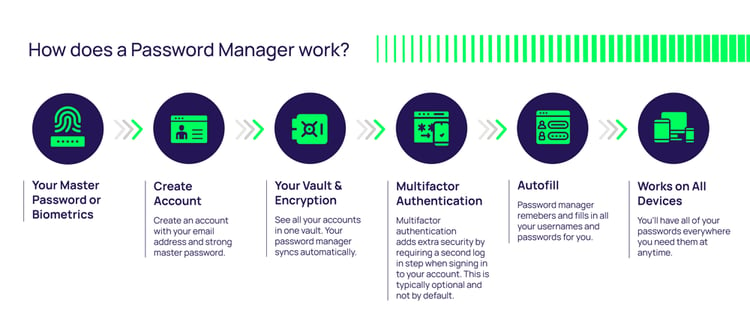
In addition to these principles, organisations can also utilise password management tools and software that offer features such as password generation, storage, and encryption. These tools help users create strong passwords, securely store them, and automatically fill them in when needed, reducing the likelihood of human error or password reuse.
Furthermore, educating employees on best practices for password management is essential in maintaining a secure network environment. Training sessions on creating strong passwords, recognizing phishing attempts, and understanding the importance of good password hygiene can significantly enhance an organisation’s overall cybersecurity posture.
In conclusion, effective password management plays a vital role in network security by fortifying defences against potential cyber threats. By implementing robust password policies, leveraging advanced technologies, and fostering a culture of security awareness, organisations can mitigate risks and protect their valuable assets from malicious actors seeking unauthorized access.
Essential FAQs on Password Management for Robust Network Security
- 1. How can I create a strong and secure password?
- 2. Why is it important to use unique passwords for each account or system?
- 3. What are the risks of using simple or easily guessable passwords?
- 4. How often should I change my passwords to maintain security?
- 5. What is two-factor authentication and how does it enhance password security?
1. How can I create a strong and secure password?
When it comes to creating a strong and secure password, there are several key practices to keep in mind. Firstly, opt for a combination of uppercase and lowercase letters, numbers, and special characters to enhance complexity and make it harder for hackers to crack. Avoid using easily guessable information such as birthdays or common words. Consider using passphrases that are easy for you to remember but difficult for others to guess. Additionally, aim for a minimum password length of 12 characters to increase security. Remember that unique passwords for each account are essential to prevent a domino effect if one account is compromised. Regularly updating your passwords and enabling two-factor authentication can further bolster the security of your accounts.
2. Why is it important to use unique passwords for each account or system?
In network security, using unique passwords for each account or system is crucial due to the principle of isolation and containment. By employing unique passwords, individuals can prevent a security breach on one platform from compromising other accounts or systems. This practice limits the potential impact of a security incident and reduces the risk of unauthorised access to sensitive information across multiple platforms. In essence, using unique passwords enhances the overall security posture by creating distinct barriers that safeguard individual accounts and systems from being compromised in a domino effect scenario.
3. What are the risks of using simple or easily guessable passwords?
Using simple or easily guessable passwords poses significant risks to network security. Such passwords are vulnerable to brute force attacks, where automated tools systematically try different combinations until the correct password is discovered. Cybercriminals can exploit weak passwords to gain unauthorized access to sensitive data, compromise systems, and carry out malicious activities within a network. Additionally, simple passwords are more susceptible to dictionary attacks, where attackers use common words or phrases to crack passwords quickly. By using strong, complex, and unique passwords, individuals and organisations can significantly reduce the likelihood of falling victim to cyber threats and enhance the overall security of their digital assets.
4. How often should I change my passwords to maintain security?
Regularly changing passwords is a key aspect of maintaining security in network environments. While the frequency of password changes can vary depending on the specific policies of an organisation, it is generally recommended to update passwords at regular intervals, such as every 60 to 90 days. By changing passwords periodically, users can reduce the risk of unauthorised access due to compromised credentials. This practice enhances security by limiting the window of opportunity for potential attackers to exploit outdated passwords and helps uphold a proactive approach to safeguarding sensitive information within a network.
5. What is two-factor authentication and how does it enhance password security?
Two-factor authentication (2FA) is an additional layer of security that requires users to provide two forms of verification before gaining access to an account or system. Typically, this involves something the user knows (such as a password) and something the user has (such as a unique code sent to their mobile device). By implementing 2FA, even if a malicious actor obtains a user’s password through phishing or other means, they would still need the second form of verification to access the account. This significantly enhances password security by reducing the likelihood of unauthorised access, adding an extra barrier against cyber threats and enhancing overall protection for sensitive data and resources within a network.