
The Importance of Patch Management in Cybersecurity
In today’s digital landscape, where cyber threats are constantly evolving, patch management plays a crucial role in ensuring the security of your systems and data. Patch management refers to the process of identifying, acquiring, testing, and installing patches (code changes) to address vulnerabilities in software and applications.
Software vulnerabilities are often exploited by cybercriminals to gain unauthorized access to systems, steal sensitive information, or disrupt operations. Patch management helps mitigate these risks by keeping your software up-to-date with the latest security patches released by vendors.
Failure to implement timely patches can leave your systems exposed to known vulnerabilities, making them an easy target for cyber attacks. Hackers actively scan for unpatched systems to exploit weaknesses and compromise security.
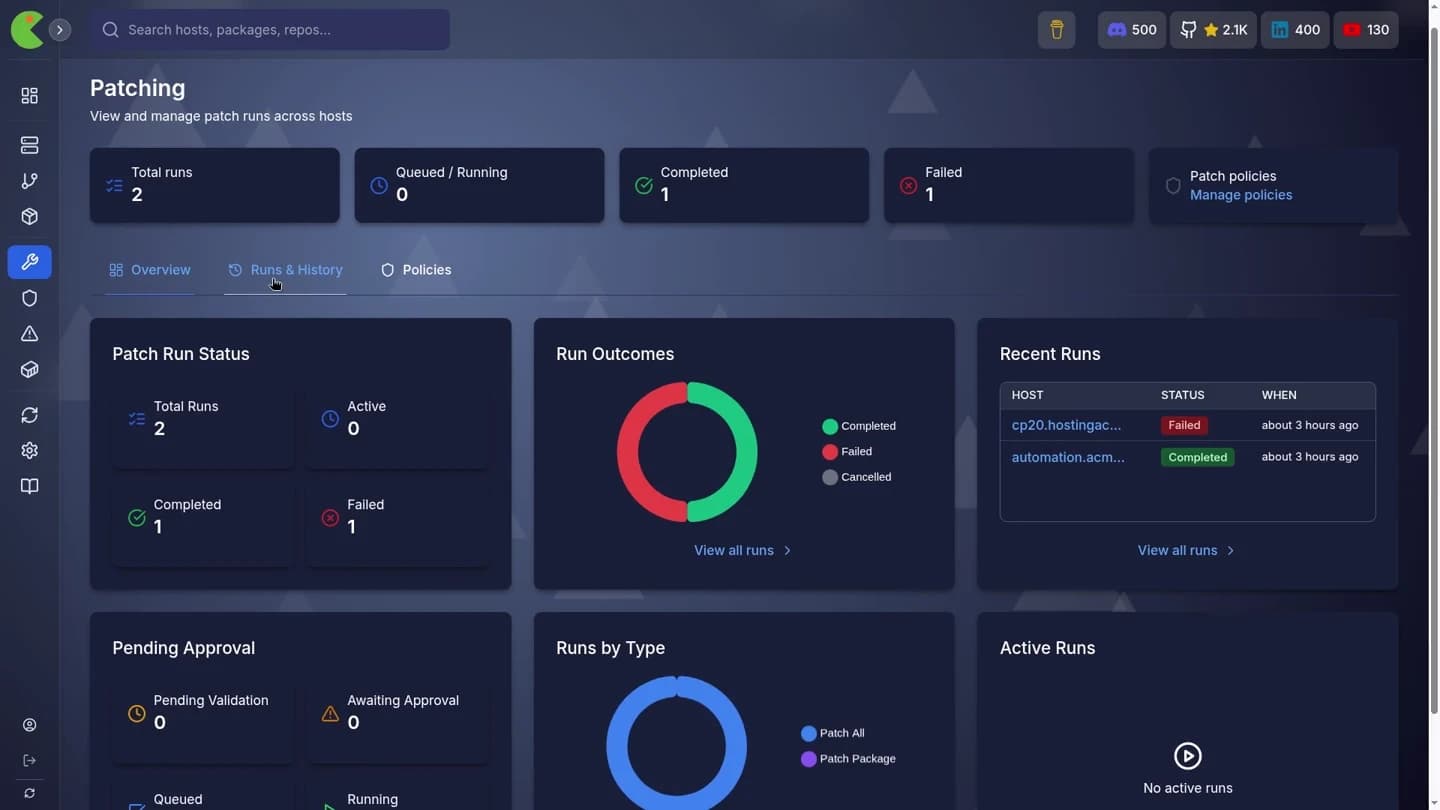
Effective patch management involves establishing a proactive approach to regularly assess and apply patches across all devices and software within your network. Automated patch management tools can streamline this process by identifying missing patches, prioritizing critical updates, and deploying them efficiently.
By prioritizing patch management as part of your cybersecurity strategy, you can significantly reduce the risk of security breaches, data loss, and system downtime. It is essential to stay vigilant, monitor vendor notifications for new patches, test patches before deployment, and ensure that all devices are promptly updated.
Remember that cybersecurity is a shared responsibility. By implementing robust patch management practices, you not only protect your own data but also contribute to a safer digital ecosystem for everyone.
Essential FAQs on Patch Management: Understanding Importance, Risks, and Best Practices
- What is patch management?
- Why is patch management important for cybersecurity?
- How often should patches be applied?
- What are the risks of not implementing patch management?
- What are common challenges in patch management?
- How can automated tools help with patch management?
- What is the difference between security patches and software updates?
- How can I prioritize patches for different software applications?
- What best practices should be followed for effective patch management?
What is patch management?
Patch management is a critical component of cybersecurity that involves the process of identifying, acquiring, testing, and installing patches to address vulnerabilities in software and applications. Essentially, patch management ensures that your systems are up-to-date with the latest security patches released by software vendors. By regularly applying patches to fix known vulnerabilities, organisations can significantly reduce the risk of cyber attacks and protect their data from potential breaches. Effective patch management is essential in maintaining the security and integrity of digital systems in today’s ever-evolving threat landscape.
Why is patch management important for cybersecurity?
Patch management is crucial for cybersecurity because it helps to address vulnerabilities in software and applications that can be exploited by cybercriminals. By regularly applying patches released by software vendors, organisations can strengthen their defences against potential security breaches and cyber attacks. Failure to implement timely patches leaves systems exposed to known vulnerabilities, making them easy targets for malicious actors seeking to compromise sensitive data or disrupt operations. Effective patch management is a proactive measure that plays a vital role in maintaining the overall security posture of an organisation’s digital infrastructure.
How often should patches be applied?
In the realm of patch management, a commonly asked question is, “How often should patches be applied?” The frequency of applying patches depends on various factors, including the criticality of the vulnerabilities being addressed, the sensitivity of the data or systems being protected, and the risk tolerance of the organisation. Generally, security experts recommend applying patches as soon as they are released for critical vulnerabilities to minimise the window of exposure to potential threats. Regularly scheduled patching cycles, such as monthly or quarterly updates, can help ensure that systems remain secure and up-to-date with the latest security fixes. However, organisations may need to adjust their patching cadence based on their specific risk profile and operational requirements to strike a balance between security and system stability.
What are the risks of not implementing patch management?
Failing to implement patch management poses significant risks to the security and integrity of your systems. Without timely patches, known vulnerabilities in software and applications remain unaddressed, leaving your systems exposed to potential cyber threats. Hackers actively target unpatched systems, exploiting vulnerabilities to gain unauthorized access, steal sensitive data, or disrupt operations. The absence of a robust patch management strategy increases the likelihood of security breaches, data loss, and system downtime. By neglecting patch management, organisations risk compromising their cybersecurity posture and falling victim to preventable cyber attacks.
What are common challenges in patch management?
Common challenges in patch management often revolve around balancing the need for timely updates with the potential risks of system disruptions. Organisations may struggle with identifying all vulnerable systems, prioritising critical patches, ensuring compatibility with existing software, and managing patch deployment across a diverse range of devices and platforms. Additionally, limited resources, lack of centralised visibility into patch status, and resistance from users or stakeholders can further complicate the patch management process. Overcoming these challenges requires a proactive approach, robust policies and procedures, effective communication with stakeholders, and leveraging automated tools to streamline patch management tasks.
How can automated tools help with patch management?
Automated tools play a pivotal role in enhancing patch management processes by streamlining the identification, deployment, and monitoring of software updates across an organisation’s network. These tools automate the task of scanning for missing patches, prioritising critical updates based on risk assessment, and deploying patches efficiently to ensure timely protection against known vulnerabilities. By utilising automated patch management tools, organisations can significantly reduce manual intervention, minimise human errors, and improve the overall security posture of their systems. Moreover, these tools provide real-time insights into patch status, compliance levels, and potential risks, enabling IT teams to proactively address security gaps and maintain a robust defence against cyber threats.
What is the difference between security patches and software updates?
Security patches and software updates are often confused, but they serve distinct purposes in maintaining the integrity and security of your systems. Security patches specifically address known vulnerabilities in software that could be exploited by cybercriminals to compromise system security. These patches focus on fixing specific security issues to prevent potential breaches. On the other hand, software updates encompass a broader range of changes, including feature enhancements, performance improvements, bug fixes, and security patches. While software updates may include security patches, they also include other modifications aimed at improving the overall functionality and user experience of the software. It is important to differentiate between security patches and software updates to ensure that your systems are adequately protected against cyber threats while also benefiting from the latest features and enhancements offered by software updates.
How can I prioritize patches for different software applications?
When it comes to prioritizing patches for different software applications, it is essential to assess the severity of vulnerabilities and the potential impact on your systems. Start by categorizing patches based on their criticality and relevance to your specific environment. Focus on addressing high-risk vulnerabilities that could be exploited by cybercriminals to cause significant harm or data breaches. Consider factors such as the exploitability of the vulnerability, the availability of known exploits, and the sensitivity of the data or systems affected. By prioritizing patches in this manner, you can effectively allocate resources and attention to safeguarding your most at-risk assets and reducing the overall security risk across your software applications.
What best practices should be followed for effective patch management?
For effective patch management, it is essential to follow a set of best practices to ensure the security and integrity of your systems. Firstly, establish a comprehensive patch management policy that outlines roles and responsibilities, defines patching procedures, and sets clear timelines for patch deployment. Regularly assess your network for vulnerabilities and prioritize patches based on criticality and impact. Test patches in a controlled environment before deploying them to production systems to avoid any unforeseen issues. Implement automated patch management tools to streamline the process and ensure timely updates across all devices. Lastly, maintain detailed records of patching activities for audit purposes and continuous improvement of your patch management strategy. By adhering to these best practices, you can enhance the resilience of your systems against cyber threats.