
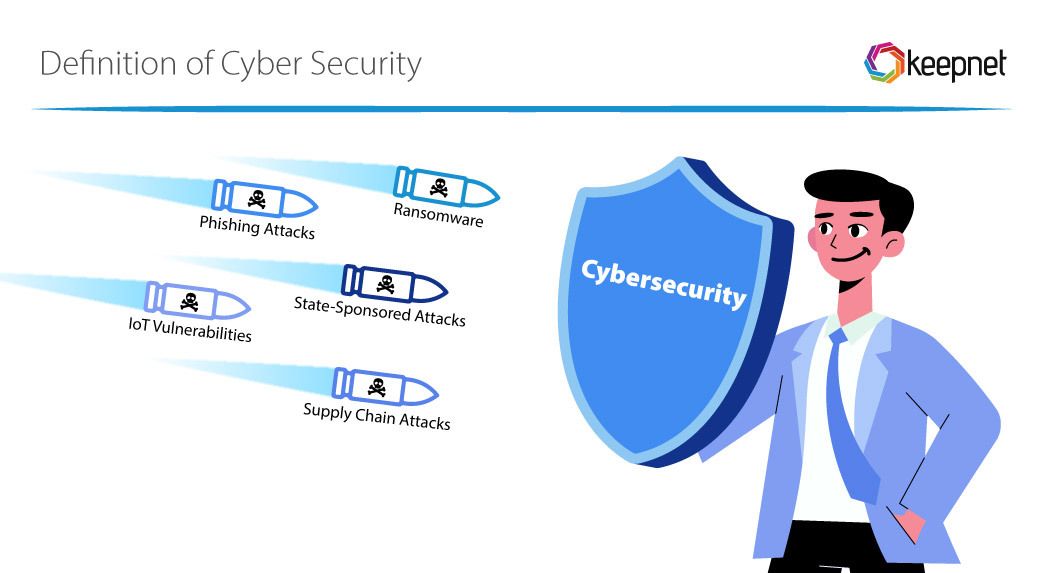
What is Cyber Security?
Cyber security refers to the practice of protecting computer systems, networks, and data from digital attacks. These attacks are aimed at accessing, changing, or destroying sensitive information; extorting money from users; or interrupting normal business processes.
In today’s interconnected world, where almost every aspect of our lives is digitised, cyber security has become more critical than ever. From personal data such as financial information and medical records to government and corporate secrets, there is a wealth of valuable data that cyber criminals seek to exploit.
Cyber security encompasses various technologies, processes, and practices designed to safeguard networks, devices, programs, and data from attack, damage, or unauthorised access. It involves implementing measures to prevent cyber attacks and protect against the unauthorised exploitation of systems.
Common cyber security measures include:
- Firewalls
- Antivirus software
- Intrusion detection systems
- Data encryption
- Multi-factor authentication
- Regular software updates
- User training on security best practices
Organisations and individuals alike must be vigilant in ensuring their cyber security posture is robust. Failure to do so can result in devastating consequences such as financial loss, reputational damage, legal implications, and even compromise of national security.
As cyber threats continue to evolve in sophistication and frequency, staying informed about the latest trends in cyber security and adopting proactive measures are essential for safeguarding digital assets.
Understanding Cyber Security: Key Questions and Answers
- What is cyber security?
- Why is cyber security important?
- What are the common types of cyber attacks?
- How can individuals protect themselves from cyber threats?
- What role does technology play in enhancing cyber security?
What is cyber security?
Cyber security encompasses the practices, technologies, and processes designed to protect computer systems, networks, and data from digital threats. In essence, it involves safeguarding against cyber attacks that aim to compromise sensitive information, disrupt operations, or extort individuals or organisations. With the increasing digitisation of our lives and the growing sophistication of cyber threats, understanding and implementing robust cyber security measures are essential in safeguarding against potential risks and ensuring the integrity and confidentiality of digital assets.
Why is cyber security important?
Cyber security is crucial in today’s digital landscape due to the escalating threat of cyber attacks. The importance of cyber security lies in its role as a shield against malicious actors who seek to exploit vulnerabilities in computer systems and networks. Without adequate protection, sensitive data such as personal information, financial records, and intellectual property are at risk of being compromised. Moreover, cyber attacks can disrupt essential services, cause financial losses, tarnish reputations, and even pose threats to national security. By prioritising cyber security measures, individuals and organisations can mitigate these risks and safeguard their digital assets from potential harm.
What are the common types of cyber attacks?
Common types of cyber attacks encompass a range of malicious activities that aim to compromise digital systems and data security. Some prevalent cyber attacks include phishing, where attackers use deceptive emails or messages to trick individuals into revealing sensitive information; malware, which includes viruses, ransomware, and spyware designed to infiltrate and disrupt systems; DDoS (Distributed Denial of Service) attacks that flood networks with traffic to overwhelm and shut down services; and man-in-the-middle attacks where hackers intercept communication between two parties. Understanding these common types of cyber attacks is crucial in fortifying defences and mitigating risks in the ever-evolving landscape of cybersecurity.
How can individuals protect themselves from cyber threats?
To protect themselves from cyber threats, individuals can implement several proactive measures. Firstly, ensuring that their devices have up-to-date antivirus software and firewalls can help prevent malware infections. Regularly updating software and operating systems is crucial as updates often contain security patches to address vulnerabilities. Practising good password hygiene, such as using complex passwords and enabling two-factor authentication, adds an extra layer of security. Being cautious of suspicious emails, links, and attachments can help avoid falling victim to phishing scams. Additionally, staying informed about the latest cyber threats and educating oneself on best practices for online safety are essential steps in enhancing personal cyber security.
What role does technology play in enhancing cyber security?
Technology plays a pivotal role in enhancing cyber security by providing the tools and capabilities needed to detect, prevent, and respond to digital threats. Advanced technologies such as artificial intelligence, machine learning, and automation enable security systems to analyse vast amounts of data in real-time, identify anomalies or suspicious activities, and take immediate action to mitigate risks. Additionally, encryption technologies ensure that sensitive information remains secure during transmission and storage. Furthermore, technologies like biometric authentication and multi-factor authentication strengthen access controls, reducing the risk of unauthorised access. Overall, technology serves as a crucial ally in the ongoing battle against cyber threats, empowering organisations and individuals to bolster their defences and protect their digital assets effectively.