
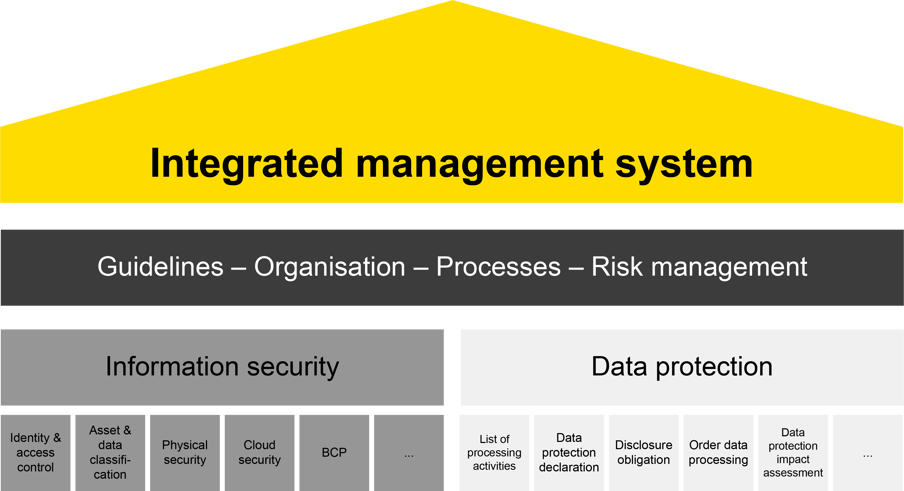
Data Protection Management System: Safeguarding Your Information
In today’s digital age, where data is a valuable asset, protecting sensitive information has become more crucial than ever. A Data Protection Management System (DPMS) is a comprehensive framework designed to ensure the confidentiality, integrity, and availability of data within an organisation.
Implementing a robust DPMS involves various processes and controls that help mitigate risks associated with data breaches, cyber attacks, and regulatory non-compliance. By establishing clear policies, procedures, and technologies, organisations can safeguard their data assets effectively.
Key Components of a Data Protection Management System:
- Data Classification: Identifying and categorising data based on its sensitivity level to apply appropriate security measures.
- Access Control: Managing user permissions and restricting access to confidential information to authorised personnel only.
- Data Encryption: Encoding data to prevent unauthorised access or interception during transmission or storage.
- Incident Response Plan: Developing protocols to detect, respond to, and recover from data security incidents promptly.
- Compliance Monitoring: Ensuring adherence to relevant data protection regulations and standards through regular audits and assessments.
The Benefits of a Data Protection Management System:
A well-implemented DPMS offers numerous advantages for organisations:
- Risk Mitigation: Minimising the likelihood of data breaches and associated financial, legal, and reputational consequences.
- Enhanced Trust: Building customer confidence by demonstrating a commitment to protecting their personal information.
- Regulatory Compliance: Meeting legal requirements such as the General Data Protection Regulation (GDPR) or other industry-specific mandates.
- Efficiency Improvement: Streamlining data management processes and reducing operational inefficiencies related to security incidents.
In conclusion, a Data Protection Management System is an essential framework for organisations seeking to establish a secure environment for their valuable data assets. By investing in robust data protection measures and fostering a culture of security awareness among employees, businesses can effectively safeguard their information in today’s increasingly interconnected world.
7 Essential Tips for Effective Data Protection Management Systems
- Ensure all staff are trained on data protection policies and procedures.
- Regularly review and update your data protection practices to stay compliant with regulations.
- Encrypt sensitive data to protect it from unauthorised access.
- Implement access controls to restrict who can view or edit certain types of data.
- Back up your data regularly to prevent loss in case of a security breach or system failure.
- Conduct regular audits to assess the effectiveness of your data protection measures.
- Have a clear incident response plan in place in case of a data breach.
Ensure all staff are trained on data protection policies and procedures.
To enhance the effectiveness of a Data Protection Management System, it is essential to ensure that all staff members receive comprehensive training on data protection policies and procedures. By educating employees on best practices for handling sensitive information, organisations can foster a culture of awareness and accountability when it comes to safeguarding data. Training sessions should cover topics such as data classification, secure data handling practices, incident response protocols, and compliance requirements. Equipping staff with the knowledge and skills needed to protect data not only reduces the risk of security incidents but also reinforces the organisation’s commitment to maintaining high standards of data protection.
Regularly review and update your data protection practices to stay compliant with regulations.
To maintain the integrity of your data protection management system, it is essential to regularly review and update your practices to align with evolving regulations. By staying vigilant and proactive in monitoring changes in data protection laws, you can ensure that your organisation remains compliant and resilient against potential risks. Regular assessments of your data protection practices not only demonstrate a commitment to safeguarding sensitive information but also help mitigate the impact of any regulatory non-compliance issues. Stay informed, stay compliant, and uphold the trust placed in you by prioritising the security of your data assets.
Encrypt sensitive data to protect it from unauthorised access.
Encrypting sensitive data is a fundamental step in safeguarding information within a Data Protection Management System. By encoding data in a secure format, organisations can prevent unauthorised access and maintain the confidentiality of critical information. Encryption serves as a powerful defence mechanism, ensuring that even if data is intercepted or compromised, it remains indecipherable to unauthorised parties. Implementing robust encryption protocols not only enhances data security but also demonstrates a commitment to protecting privacy and upholding trust with stakeholders.
Implement access controls to restrict who can view or edit certain types of data.
To enhance data security within your organisation, it is crucial to implement access controls that restrict who can view or edit specific types of data. By assigning user permissions based on roles and responsibilities, you can ensure that only authorised personnel have access to sensitive information. This proactive measure not only reduces the risk of data breaches but also helps maintain the confidentiality and integrity of your data assets. Implementing access controls is a fundamental step in establishing a robust Data Protection Management System that prioritises data security and compliance with regulatory requirements.
Back up your data regularly to prevent loss in case of a security breach or system failure.
Backing up your data regularly is a crucial aspect of a comprehensive Data Protection Management System. By creating and maintaining up-to-date backups of your important information, you can mitigate the impact of potential security breaches or system failures. In the event of data loss, whether due to cyber attacks, hardware malfunctions, or human errors, having reliable backups ensures that you can quickly restore your data and resume normal operations without significant disruption. Regular backups serve as a safety net, offering peace of mind and an added layer of protection for your valuable digital assets.
Conduct regular audits to assess the effectiveness of your data protection measures.
It is essential to conduct regular audits to assess the effectiveness of your data protection measures. By regularly reviewing and evaluating your data protection management system through audits, you can identify any vulnerabilities, gaps, or areas for improvement in your security practices. Audits provide valuable insights into the overall health of your data protection framework, helping you proactively address any issues and ensure that your sensitive information remains secure from potential threats. Regular assessments not only enhance the robustness of your data protection strategy but also demonstrate your commitment to maintaining a strong security posture in today’s evolving digital landscape.
Have a clear incident response plan in place in case of a data breach.
Having a clear incident response plan in place is crucial when it comes to data protection management systems. In the event of a data breach, a well-defined plan outlines the steps to be taken promptly, helping to contain the breach, minimise its impact, and facilitate a swift recovery process. By preparing ahead of time and ensuring all stakeholders are aware of their roles and responsibilities, organisations can effectively respond to security incidents and mitigate potential damages to their data assets and reputation.