
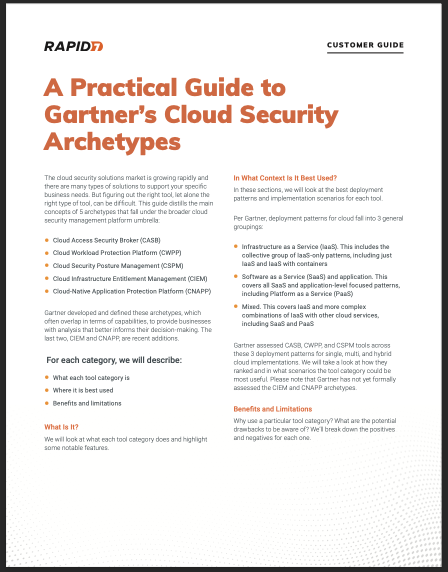
The Importance of Gartner Cloud Security Posture Management
In today’s digital landscape, where businesses are increasingly relying on cloud services to store and process data, ensuring the security of cloud environments has become paramount. Gartner, a leading research and advisory company, has introduced the concept of Cloud Security Posture Management (CSPM) to help organisations address the challenges associated with securing their cloud infrastructure.
CSPM involves continuous monitoring and assessment of an organisation’s cloud security posture to identify and remediate potential vulnerabilities and misconfigurations. By implementing CSPM solutions, businesses can enhance their overall security posture in the cloud and reduce the risk of data breaches and cyber attacks.
Gartner recognises CSPM as a critical component of a comprehensive cloud security strategy. According to Gartner’s research, by 2025, 99% of cloud security failures will be the customer’s fault due to misconfigurations, not the provider’s fault.
Organisations that leverage CSPM tools can gain insights into their cloud environment’s security status in real-time, enabling them to proactively address security gaps before they are exploited by malicious actors. By automating security checks and compliance assessments, CSPM solutions help businesses streamline their security operations and ensure compliance with industry regulations.
As businesses continue to embrace cloud technologies for their scalability and flexibility benefits, it is essential for them to prioritise cloud security. Gartner’s endorsement of Cloud Security Posture Management underscores the importance of adopting proactive measures to secure cloud environments effectively.
7 Essential Tips for Effective Cloud Security Posture Management
- Regularly assess your cloud security posture to identify and address vulnerabilities.
- Implement strong access controls and authentication mechanisms to protect your cloud resources.
- Encrypt your data both in transit and at rest to maintain confidentiality and integrity.
- Monitor and log all activities within your cloud environment for timely detection of security incidents.
- Stay informed about the latest threats and security best practices in cloud computing.
- Regularly update and patch your cloud infrastructure to mitigate known vulnerabilities.
- Consider using automation tools for continuous security monitoring and response in the cloud.
Regularly assess your cloud security posture to identify and address vulnerabilities.
To enhance the security of your cloud environment, it is crucial to follow the advice from Gartner on Cloud Security Posture Management by regularly assessing your cloud security posture. By conducting frequent evaluations, you can proactively identify vulnerabilities and address them promptly. This proactive approach not only helps in strengthening your cloud security but also minimises the risk of potential data breaches or cyber threats. Regular assessments ensure that your cloud infrastructure remains resilient and secure, aligning with industry best practices for maintaining a robust security posture in the digital landscape.
Implement strong access controls and authentication mechanisms to protect your cloud resources.
To enhance the security of your cloud resources, it is crucial to implement robust access controls and authentication mechanisms. By enforcing strict access policies and requiring strong authentication methods, such as multi-factor authentication, you can significantly reduce the risk of unauthorised access to your sensitive data and applications. Gartner’s Cloud Security Posture Management emphasises the importance of implementing these security measures to safeguard your cloud environment effectively and mitigate the potential threats posed by cyber attackers.
Encrypt your data both in transit and at rest to maintain confidentiality and integrity.
To enhance the security of your cloud environment according to Gartner’s Cloud Security Posture Management tip, it is crucial to encrypt your data both in transit and at rest. Encrypting data ensures that sensitive information remains confidential and maintains its integrity throughout its lifecycle. By implementing robust encryption protocols, you can safeguard your data from unauthorized access and mitigate the risk of data breaches. Encrypting data in transit protects it as it moves between servers and devices, while encrypting data at rest secures it when stored on cloud servers or databases. This proactive security measure aligns with best practices recommended by Gartner to maintain a strong security posture in the cloud environment.
Monitor and log all activities within your cloud environment for timely detection of security incidents.
Monitoring and logging all activities within your cloud environment is a crucial aspect of Gartner’s Cloud Security Posture Management recommendation. By implementing robust monitoring mechanisms, organisations can proactively detect and respond to security incidents in a timely manner. Real-time visibility into user activities, configuration changes, and network traffic allows businesses to identify potential threats and vulnerabilities before they escalate into major security breaches. Logging all activities also enables thorough forensic analysis in the event of a security incident, helping organisations understand the root cause and implement preventive measures to enhance their overall cloud security posture.
Stay informed about the latest threats and security best practices in cloud computing.
To maximise the effectiveness of Gartner Cloud Security Posture Management, it is crucial to stay informed about the latest threats and security best practices in cloud computing. By keeping abreast of emerging cybersecurity risks and industry trends, organisations can proactively enhance their cloud security posture and mitigate potential vulnerabilities. Regularly updating knowledge on evolving threats and adopting recommended security practices ensures that businesses are well-equipped to safeguard their cloud environments effectively. Embracing a proactive approach to security awareness is key to maintaining a robust defence against cyber threats in the dynamic landscape of cloud computing.
Regularly update and patch your cloud infrastructure to mitigate known vulnerabilities.
Regularly updating and patching your cloud infrastructure is a crucial aspect of Gartner’s Cloud Security Posture Management recommendation. By staying vigilant and applying the latest updates and patches to your cloud environment, you can effectively mitigate known vulnerabilities and enhance the overall security of your systems. This proactive approach helps to address potential security gaps that could be exploited by cyber threats, ensuring that your cloud infrastructure remains resilient against evolving risks. Keeping your systems up to date with the latest security enhancements is essential in safeguarding your data and maintaining a secure digital environment in line with industry best practices.
Consider using automation tools for continuous security monitoring and response in the cloud.
When implementing Gartner’s Cloud Security Posture Management recommendations, it is crucial to consider leveraging automation tools for continuous security monitoring and response in the cloud. By utilising automation, organisations can enhance their ability to detect and respond to security threats in real-time, reducing the risk of potential breaches and data loss. Automation tools enable proactive security measures, allowing businesses to streamline their security operations and ensure a swift response to any security incidents that may arise within their cloud environment. Embracing automation in cloud security monitoring and response aligns with Gartner’s best practices and helps organisations stay ahead of evolving cyber threats effectively.