
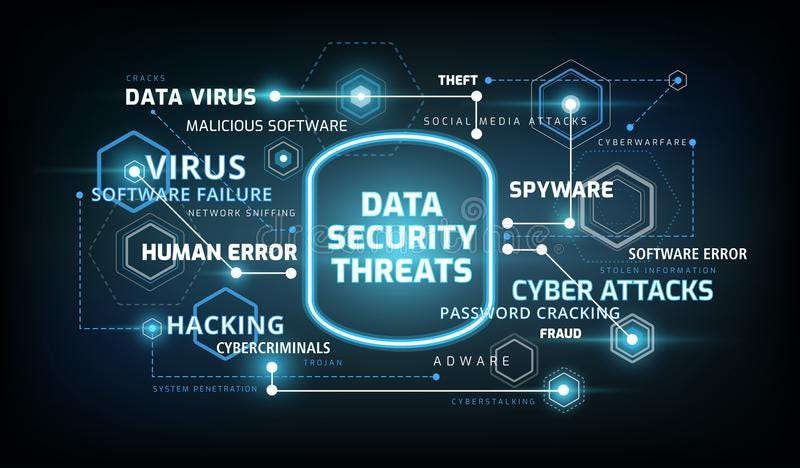
Security Threats in Cyber Security
In today’s interconnected world, the importance of cyber security cannot be overstated. As technology advances, so do the methods used by malicious actors to compromise our digital systems and data. Let’s explore some of the most prevalent security threats in cyber security:
Malware
Malware, short for malicious software, encompasses a wide range of programs designed to infiltrate and damage computer systems. This includes viruses, worms, Trojans, ransomware, and spyware. Malware can be delivered through email attachments, infected websites, or removable media.
Phishing Attacks
Phishing attacks involve tricking individuals into divulging sensitive information such as usernames, passwords, and financial details. These attacks often come in the form of deceptive emails or messages that appear to be from legitimate sources.
DDoS Attacks
Distributed Denial of Service (DDoS) attacks aim to overwhelm a network or server with an excessive amount of traffic, rendering it inaccessible to legitimate users. These attacks can disrupt services and cause significant financial losses.
Insider Threats
Insider threats refer to individuals within an organization who misuse their access privileges to compromise data or systems. This could be due to negligence, disgruntlement, or malicious intent.
Zero-Day Exploits
A zero-day exploit targets vulnerabilities in software that are unknown to the developer or vendor. Cyber criminals exploit these vulnerabilities before a patch is released, making it challenging for organisations to defend against such attacks.
Cyber security professionals employ a variety of tools and techniques to mitigate these threats, including firewalls, antivirus software, encryption protocols, and employee training programmes. It is essential for individuals and organisations alike to stay vigilant and proactive in safeguarding their digital assets against evolving cyber threats.
Essential Cyber Security FAQs: Protecting Against Malware, Phishing, DDoS, Insider Threats, and Zero-Day Exploits
- What is malware and how can I protect my devices from it?
- How can I identify and avoid falling victim to phishing attacks?
- What measures can I take to prevent DDoS attacks on my website or network?
- How can organisations mitigate insider threats and safeguard sensitive data?
- What are zero-day exploits and how can businesses defend against them?
What is malware and how can I protect my devices from it?
Malware, short for malicious software, is a broad term that encompasses various harmful programs designed to infiltrate and damage computer systems. This includes viruses, worms, Trojans, ransomware, and spyware. To protect your devices from malware, it is essential to implement robust security measures. Start by installing reputable antivirus software that can detect and remove malicious programs. Keep your operating system and software up to date to patch any vulnerabilities that could be exploited by malware. Be cautious when clicking on links or downloading attachments from unknown sources, as these could be vehicles for malware delivery. Regularly back up your data to an external source to prevent data loss in case of a malware attack. By staying informed about the latest threats and practising good cyber hygiene, you can significantly reduce the risk of falling victim to malware attacks.
How can I identify and avoid falling victim to phishing attacks?
When it comes to identifying and avoiding falling victim to phishing attacks, vigilance and awareness are key. Be cautious of unsolicited emails or messages asking for sensitive information, especially if they create a sense of urgency or contain suspicious links. Verify the sender’s email address and look out for spelling errors or unusual requests. Avoid clicking on links or downloading attachments from unfamiliar sources. When in doubt, contact the supposed sender through a separate communication channel to confirm the legitimacy of the request. Educating yourself and your team on common phishing tactics can go a long way in protecting your personal and organisational data from malicious actors.
What measures can I take to prevent DDoS attacks on my website or network?
To prevent DDoS attacks on your website or network, there are several measures you can take to enhance your security posture. Implementing a robust DDoS mitigation solution is crucial, as it can help detect and filter out malicious traffic before it reaches your network. Utilising a content delivery network (CDN) can also distribute incoming traffic across multiple servers, reducing the impact of an attack. Regularly monitoring your network for unusual traffic patterns and having a response plan in place can help you mitigate the effects of a DDoS attack swiftly. Additionally, ensuring that all software and systems are up to date with the latest security patches and conducting regular security audits can strengthen your defences against potential threats.
How can organisations mitigate insider threats and safeguard sensitive data?
Organisations can mitigate insider threats and safeguard sensitive data through a combination of technological solutions, robust policies, and employee training. Implementing access controls and monitoring systems can help restrict employees’ access to sensitive information based on their roles and responsibilities. Conducting regular security audits and implementing encryption protocols can further protect data at rest and in transit. Establishing clear security policies and procedures, including guidelines on acceptable technology use and data handling practices, can help create a culture of security awareness within the organisation. Additionally, providing comprehensive training to employees on identifying potential threats, reporting suspicious activities, and adhering to security best practices is crucial in preventing insider incidents and maintaining data integrity. By taking a multi-faceted approach to insider threat mitigation, organisations can significantly reduce the risks associated with internal security breaches.
What are zero-day exploits and how can businesses defend against them?
Zero-day exploits are vulnerabilities in software that are unknown to the developer or vendor, making them highly dangerous as there is no patch available to fix them. Cyber attackers exploit these vulnerabilities before they are discovered and patched, giving businesses little to no time to defend against such attacks. To mitigate the risk of zero-day exploits, businesses can implement proactive security measures such as regularly updating software and systems, using intrusion detection systems to monitor for suspicious activities, conducting regular security audits, and investing in threat intelligence services to stay informed about emerging threats. Additionally, fostering a culture of cybersecurity awareness among employees and implementing robust access control measures can help strengthen the overall security posture of a business against zero-day exploits.