
The Importance of Threat Intelligence in Cyber Security
In today’s digital landscape, the need for robust cyber security measures has never been more critical. As cyber threats continue to evolve and become more sophisticated, organisations must stay ahead of potential risks to protect their sensitive data and infrastructure.
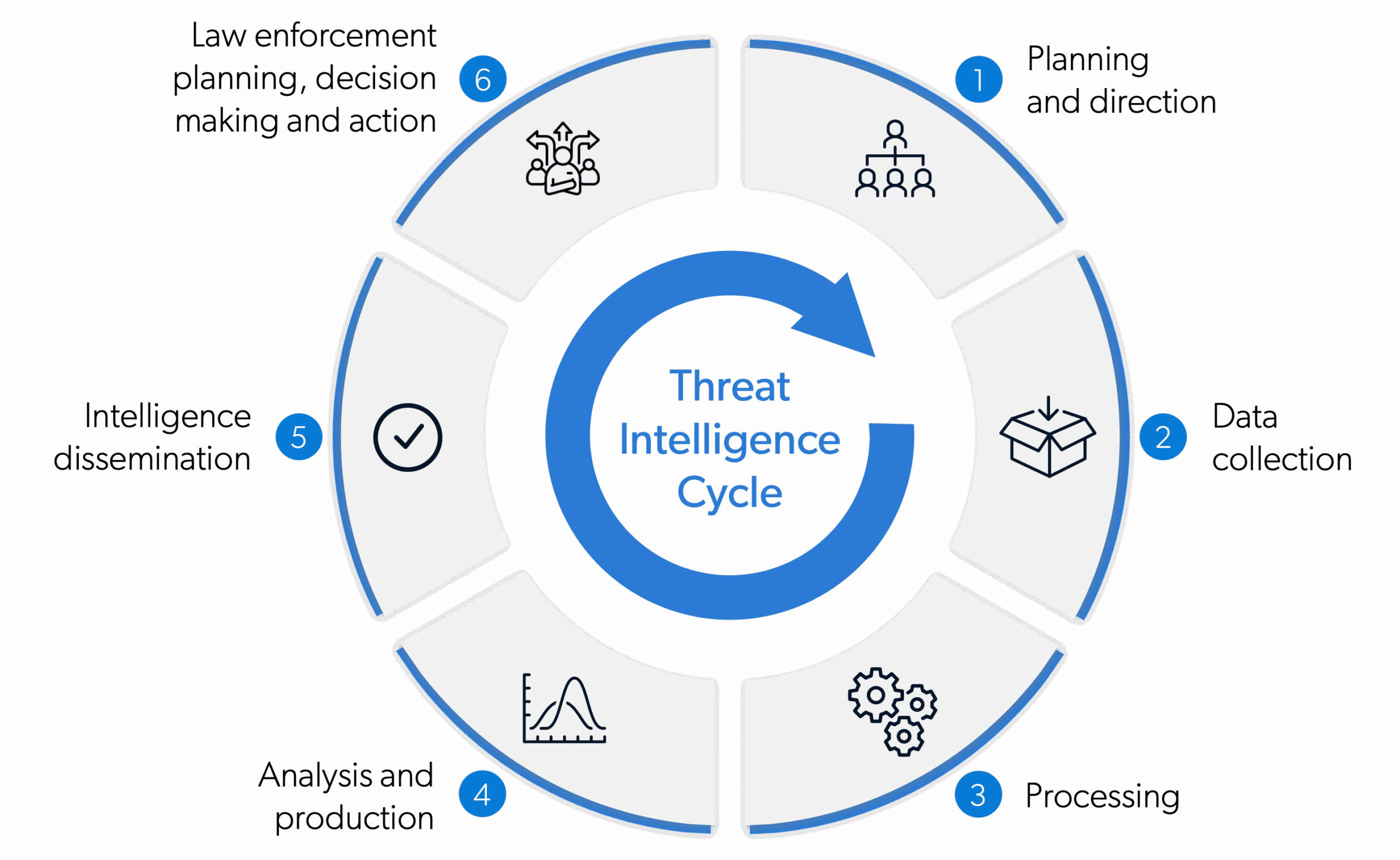
One key component of a comprehensive cyber security strategy is threat intelligence. Threat intelligence involves gathering and analysing data to identify potential threats, understand threat actors’ motives and methods, and proactively defend against attacks.
Threat intelligence provides valuable insights into emerging threats, vulnerabilities, and attack patterns. By leveraging threat intelligence, organisations can:
- Enhance Proactive Defence: By staying informed about the latest threats and trends in the cyber landscape, organisations can proactively strengthen their defences and mitigate potential risks before they materialise.
- Improve Incident Response: In the event of a cyber attack, threat intelligence enables organisations to respond swiftly and effectively by providing context about the nature of the attack, its source, and recommended countermeasures.
- Inform Decision-Making: Threat intelligence empowers decision-makers with actionable insights to make informed choices about resource allocation, security investments, and strategic planning.
- Enhance Collaboration: Sharing threat intelligence within the industry or with trusted partners fosters collaboration and collective defence against common adversaries.
In conclusion, threat intelligence plays a vital role in strengthening an organisation’s cyber security posture. By harnessing the power of timely and relevant threat information, businesses can better protect their assets, safeguard their reputation, and minimise the impact of cyber attacks.
Stay vigilant. Stay informed. Stay secure.
Seven Essential Tips for Enhancing Cyber Security Through Effective Threat Intelligence
- Regularly monitor and analyse sources of threat intelligence.
- Stay informed about the latest cyber threats and trends.
- Share threat intelligence with relevant stakeholders in your organisation.
- Utilise threat intelligence to enhance your security measures and response strategies.
- Consider both internal and external sources of threat intelligence for a comprehensive view.
- Implement automation tools to help process and act on threat intelligence efficiently.
- Continuously review and update your threat intelligence processes to stay effective.
Regularly monitor and analyse sources of threat intelligence.
To enhance your cyber security defences, it is crucial to regularly monitor and analyse sources of threat intelligence. By staying vigilant and actively tracking emerging threats from various channels such as security feeds, industry reports, and threat intelligence platforms, you can gain valuable insights into potential risks and take proactive measures to safeguard your digital assets. Continuous monitoring and analysis of threat intelligence sources enable you to stay one step ahead of cyber adversaries, strengthen your security posture, and effectively protect your organisation from evolving threats.
Stay informed about the latest cyber threats and trends.
Staying informed about the latest cyber threats and trends is a crucial tip in enhancing your cyber security defence. By keeping abreast of evolving threats and emerging attack patterns, you can proactively adjust your security measures to mitigate potential risks. Understanding the tactics employed by threat actors allows you to stay one step ahead and fortify your defences effectively. Regularly updating your knowledge of the cyber landscape empowers you to make informed decisions and implement proactive strategies to safeguard your digital assets against ever-changing threats.
Share threat intelligence with relevant stakeholders in your organisation.
Sharing threat intelligence with relevant stakeholders in your organisation is a crucial practice in enhancing overall cyber security resilience. By disseminating valuable insights about emerging threats, attack patterns, and vulnerabilities to key individuals within the organisation, you empower them to make informed decisions and take proactive measures to mitigate risks. Collaborating with stakeholders ensures a unified response to potential threats, fosters a culture of shared responsibility for security, and strengthens the organisation’s ability to defend against cyber attacks effectively. Effective communication and collaboration through sharing threat intelligence can significantly bolster the organisation’s cyber security posture and contribute to a more secure digital environment.
Utilise threat intelligence to enhance your security measures and response strategies.
By utilising threat intelligence to enhance your security measures and response strategies, you can stay one step ahead of potential cyber threats. By analysing and acting upon relevant threat information, you can fortify your defences, identify vulnerabilities, and proactively prepare for potential attacks. Incorporating threat intelligence into your security practices empowers you to respond swiftly and effectively to emerging threats, ultimately bolstering your overall cyber security posture.
Consider both internal and external sources of threat intelligence for a comprehensive view.
To attain a comprehensive understanding of potential cyber threats, it is essential to consider both internal and external sources of threat intelligence. Internal sources, such as network logs, security incident reports, and employee activity monitoring, provide valuable insights into the specific vulnerabilities and risks within an organisation. On the other hand, external sources, including threat feeds, security blogs, and industry reports, offer a broader perspective on emerging threats and attack trends in the cyber landscape. By combining information from internal and external sources, businesses can gain a holistic view of their security posture and make informed decisions to fortify their defences effectively.
Implement automation tools to help process and act on threat intelligence efficiently.
To enhance the effectiveness of threat intelligence in cyber security, implementing automation tools is crucial. These tools can streamline the processing and actioning of threat intelligence, enabling organisations to respond swiftly to potential threats. By automating routine tasks such as data collection, analysis, and dissemination of intelligence, businesses can significantly improve their operational efficiency and proactive defence capabilities. Automation tools not only save time and resources but also ensure that critical threat information is acted upon promptly, bolstering overall cyber security resilience.
Continuously review and update your threat intelligence processes to stay effective.
To ensure the efficacy of your cyber security measures, it is crucial to continuously review and update your threat intelligence processes. By staying proactive in evaluating and enhancing your threat intelligence strategies, you can adapt to the ever-evolving threat landscape and effectively defend against emerging risks. Regularly assessing and refining your processes will enable you to stay ahead of cyber threats, strengthen your security posture, and safeguard your digital assets against potential attacks.