
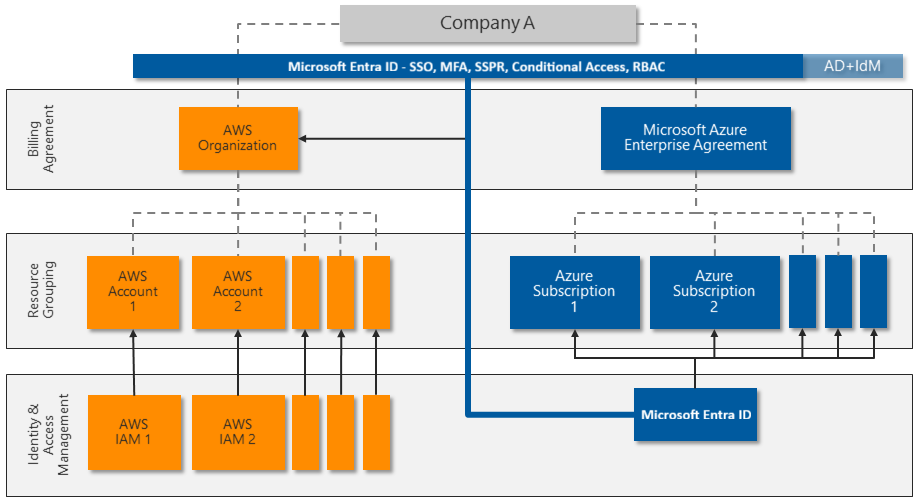
The Importance of Privileged Access Management in AWS
Amazon Web Services (AWS) has become a popular choice for businesses looking to leverage the power of cloud computing. However, with great power comes great responsibility, especially when it comes to managing privileged access within the AWS environment.
Privileged access refers to accounts or users with elevated permissions that allow them to make significant changes to the AWS infrastructure. While these privileges are necessary for certain tasks, they also pose a security risk if not managed effectively.
Key Benefits of Privileged Access Management (PAM) in AWS:
- Enhanced Security: PAM helps prevent unauthorised access and ensures that only authorised users can perform critical actions within the AWS environment.
- Audit Trail: PAM solutions provide detailed logs and audit trails of privileged activities, helping organisations track and monitor all actions taken by privileged users.
- Compliance: By implementing PAM in AWS, businesses can meet regulatory requirements and industry standards related to data security and access control.
- Risk Mitigation: PAM reduces the risk of insider threats and external attacks by limiting access to sensitive data and resources.
Best Practices for Implementing PAM in AWS:
- Least Privilege Principle: Grant users only the permissions they need to perform their job roles, limiting unnecessary access.
- Multifactor Authentication (MFA): Require additional authentication factors for privileged accounts to enhance security.
- Regular Reviews: Periodically review and update user privileges to ensure they align with current business needs.
- Automation: Use automation tools to streamline PAM processes and enforce consistent security policies across the AWS environment.
In conclusion, privileged access management is essential for maintaining a secure and compliant AWS environment. By following best practices and leveraging PAM solutions, businesses can effectively protect their data, resources, and reputation from potential security threats.
Essential FAQs on Privileged Access Management for AWS Security
- What is privileged access management (PAM) in the context of AWS?
- Why is privileged access management important for AWS security?
- How does privileged access management help in maintaining compliance within AWS?
- What are the key benefits of implementing PAM in an AWS environment?
- What are the best practices for managing privileged access in AWS?
- How can organisations ensure least privilege access for users in AWS?
- Are there automated tools available to assist with privileged access management in AWS?
What is privileged access management (PAM) in the context of AWS?
Privileged Access Management (PAM) in the context of AWS refers to the practice of controlling and securing access to privileged accounts and users within the Amazon Web Services environment. PAM solutions help organisations manage, monitor, and audit privileged activities to prevent unauthorised access and reduce the risk of security breaches. By implementing PAM in AWS, businesses can enforce the principle of least privilege, ensure compliance with regulatory requirements, and enhance overall security posture by limiting access to critical resources only to authorised personnel with specific permissions.
Why is privileged access management important for AWS security?
Privileged access management is crucial for maintaining robust security within the AWS environment. With the increasing complexity of cloud infrastructures and the potential risks associated with elevated permissions, effective PAM ensures that only authorised users have access to critical resources and data. By implementing PAM in AWS, businesses can prevent unauthorised access, reduce the risk of insider threats, maintain compliance with security regulations, and establish a comprehensive audit trail of privileged activities. In essence, privileged access management plays a pivotal role in safeguarding sensitive information and mitigating security vulnerabilities in AWS, ultimately enhancing overall data protection and risk management strategies.
How does privileged access management help in maintaining compliance within AWS?
Privileged Access Management (PAM) plays a crucial role in maintaining compliance within AWS by enforcing strict access controls and monitoring privileged activities. By implementing PAM solutions, organisations can ensure that only authorised users have access to sensitive data and critical resources, reducing the risk of data breaches and compliance violations. PAM helps enforce the principle of least privilege, limiting user permissions to only what is necessary for their roles, which aligns with regulatory requirements for data protection. Additionally, PAM solutions provide detailed audit trails and logs of privileged actions, enabling businesses to demonstrate compliance with industry standards and regulations through comprehensive reporting and monitoring capabilities.
What are the key benefits of implementing PAM in an AWS environment?
Implementing Privileged Access Management (PAM) in an AWS environment offers a range of key benefits that are crucial for maintaining security and compliance. PAM enhances security by preventing unauthorised access and ensuring that only approved users can perform critical actions within the AWS infrastructure. It also provides detailed audit trails of privileged activities, aiding in monitoring and tracking user actions. Moreover, implementing PAM helps organisations meet regulatory requirements, mitigate risks associated with insider threats and external attacks, and adhere to the principle of least privilege by granting users only the necessary permissions. By implementing PAM in an AWS environment, businesses can bolster their security posture, enhance accountability, and safeguard sensitive data and resources effectively.
What are the best practices for managing privileged access in AWS?
When it comes to managing privileged access in AWS, adhering to best practices is crucial to maintaining a secure and well-protected environment. Some key recommendations include implementing the principle of least privilege, which involves granting users only the permissions necessary for their specific roles to minimise the risk of unauthorised access. Utilising multifactor authentication (MFA) adds an extra layer of security by requiring additional authentication factors for privileged accounts. Regularly reviewing and updating user privileges, as well as automating PAM processes, are also essential practices to ensure consistent security policies across the AWS infrastructure. By following these best practices, organisations can effectively mitigate risks and safeguard their data and resources in the AWS environment.
How can organisations ensure least privilege access for users in AWS?
Organisations can ensure least privilege access for users in AWS by implementing a robust privileged access management (PAM) strategy that follows the principle of least privilege. This involves granting users only the permissions they need to perform their specific job roles and tasks, limiting unnecessary access to sensitive data and resources. By conducting regular reviews of user privileges, enforcing strict access controls, and utilising automation tools to streamline PAM processes, organisations can effectively reduce the risk of unauthorised access and potential security breaches within the AWS environment. Additionally, implementing multifactor authentication (MFA) for privileged accounts can further enhance security measures and ensure that only authorised users have access to critical systems and information.
Are there automated tools available to assist with privileged access management in AWS?
In response to the frequently asked question about privileged access management in AWS, yes, there are automated tools available to assist with this critical aspect of security. Automated tools play a crucial role in streamlining and enhancing privileged access management processes within the AWS environment. These tools can help enforce security policies, monitor user activities, detect anomalies, and facilitate the timely revocation of unnecessary privileges. By leveraging automated solutions tailored for privileged access management in AWS, organisations can strengthen their security posture and ensure compliance with best practices effectively.